










Female Hair Transplants in Kuwait: A Complete Medical Guide to Natural, Long-Term Restoration
Hair loss in women carries layers of medical and emotional complexity. It rarely announces itself abruptly. Instead, it develops in quiet stages — a gradual widening of the parting, reduced thickness at the crown, and softer volume around the temples. Over time, these changes shift how hair frames the face and how confidently it is worn.
Female hair transplants in Kuwait have gradually evolved into a focused subspecialty within aesthetic medicine. No longer treated as a variation of male baldness procedures, modern female restoration requires diagnostic care, conservative planning, and an understanding of hormonal and genetic influences. The aim is not dramatic alteration, but measured restoration that blends naturally with existing strands.
Understanding the Pattern of Female Hair Thinning
In contrast to male-pattern recession, women often retain their frontal hairline. Thinning tends to appear across the mid-scalp or crown. Diffuse shedding is common, and complete bald patches are less frequent. Underlying causes may include:
- Genetic sensitivity
- Hormonal transitions
- Iron or thyroid imbalance
- Chronic stress
- Traction-related styling habits
Before considering surgery, a thorough evaluation is essential. Padra offering Hair Transplant For Women Kuwait services commonly perform scalp mapping, density measurement, and, when necessary, laboratory screening. This step protects patient safety and supports predictable results.
Women’s hair transplantation in Kuwait frequently follows stabilization of active shedding. Transplanting into a scalp with ongoing unaddressed loss may compromise long-term density outcomes.

The Medical Foundation Behind Hair Transplants for Females in Kuwait
Hair follicles used during transplantation are typically harvested from the posterior scalp, where genetic resistance to thinning is stronger. These follicles retain their biological characteristics after relocation, continuing to grow in their new area.
However, female anatomy requires careful angulation and distribution. Grafts must be inserted at the correct angles to avoid an artificial appearance. Excessive packing in one zone may disrupt the surrounding native hair. Therefore, Hair Transplants for Females in Kuwait emphasize layering rather than aggressive density.
The philosophy rests on balance — rebuilding volume while protecting donor reserves for future needs.
Techniques Used in Women’s Hair Transplant in Kuwait
Modern technology has reshaped procedural precision. Women’s hair transplant in Kuwait generally includes one of the following approaches.
Follicular Unit Extraction (FUE)
FUE involves harvesting individual follicular units through micro-punch extraction. Tiny circular sites heal discreetly and are covered by surrounding hair. This method suits women who prefer shorter recovery or minimal visible signs in the donor region.
Follicular Unit Transplantation (FUT)
FUT, often called strip harvesting, removes a narrow strip of scalp from the donor zone. Follicles are microscopically separated and implanted. In selected cases requiring larger graft counts, FUT can provide a higher yield per session.
Advanced closure methods help minimize linear scarring.
Supportive Non-Surgical Therapies
Women’s hair transplant in Kuwait treatments are frequently combined with:
- Platelet-Rich Plasma (PRP)
- Nutritional optimization
- Medical therapy when indicated
These adjunctive strategies enhance graft integration and support native strands.
Who Is Considered an Appropriate Candidate
Candidacy assessment extends beyond visible thinning. Stable donor density, realistic expectations, and controlled systemic conditions form essential criteria.
Hair transplant for women in Kuwait is often suitable for:
- Women with localized thinning areas
- Patients with stable diffuse thinning
- Cases of traction-related hairline recession
- Scarring alopecia in controlled stages
However, those with active autoimmune shedding or uncontrolled hormonal imbalance may first require medical stabilization. Thoughtful selection reduces the need for corrective procedures.
The Procedure Experience
Women’s hair transplantation procedures in Kuwait are typically conducted under local anesthesia. Sedation may be lightly administered for comfort. A session may last several hours, depending on graft numbers.
During implantation, each follicular unit is placed manually to preserve natural direction. Hairline shaping remains conservative, respecting facial proportions and long-term aging patterns.
Mild swelling or redness may occur temporarily. Most patients resume routine activities within days.
Recovery and Growth Timeline
The transplanted hair may shed within a few weeks, a temporary biological response known as shock loss. This phase is expected and does not indicate failure.
New growth often begins between three and four months. Visible thickening progresses steadily, with fuller cosmetic improvement typically evident around nine to twelve months.
Women’s hair transplant outcomes in Kuwait are gradual rather than immediate. The subtle evolution contributes to a natural appearance.
Clinical Recommendations for Sustainable Results
Treatment standards across Kuwait and nearby regions, including , continue to emphasize structured planning. Key recommendations often include:
- Complete diagnostic evaluation before surgery
- Correction of iron or thyroid imbalances if present
- Conservative graft distribution to preserve donor zones
- Combination therapy in cases of diffuse thinning
- Routine follow-up for at least one year post-procedure
Evidence suggests that combining surgery with medical support helps maintain surrounding native hair. Aggressive overharvesting should be avoided. Donor preservation ensures options remain available if future sessions become necessary.
Aesthetic Planning and Hairline Philosophy
Unlike male restoration, female hairline advancement must be subtle. Lowering excessively may disrupt facial harmony. Instead, enhancement focuses on density near the mid-scalp and crown.
Micro-irregularity is intentionally created during placement to mimic natural growth patterns. Perfect symmetry may appear artificial; carefully planned imperfection looks authentic.
This attention to detail distinguishes reputable Female hair transplants in Kuwait services.
Long-Term Maintenance After Hair Transplant for Women in Kuwait
Restoration does not conclude after the surgical session. Long-term stability relies on ongoing scalp care.
Maintenance strategies may include:
- Periodic PRP sessions
- Topical therapies
- Nutritional support
- Hormonal monitoring when relevant
Women’s hair transplant programs in Kuwait that integrate medical oversight tend to produce more durable outcomes than surgery alone.
Evaluating Outcome Quality in Hair Transplant for Women in Kuwait
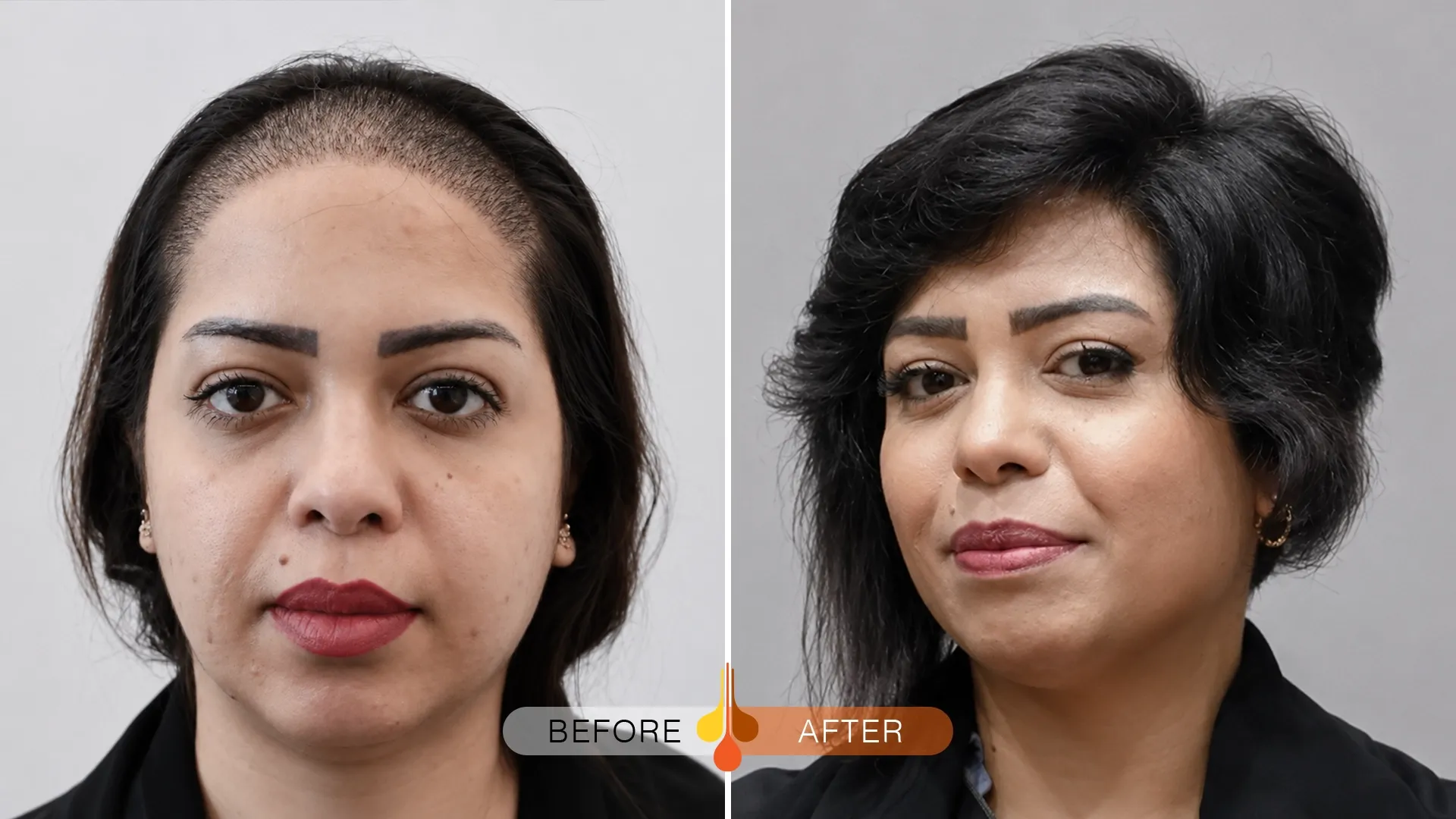
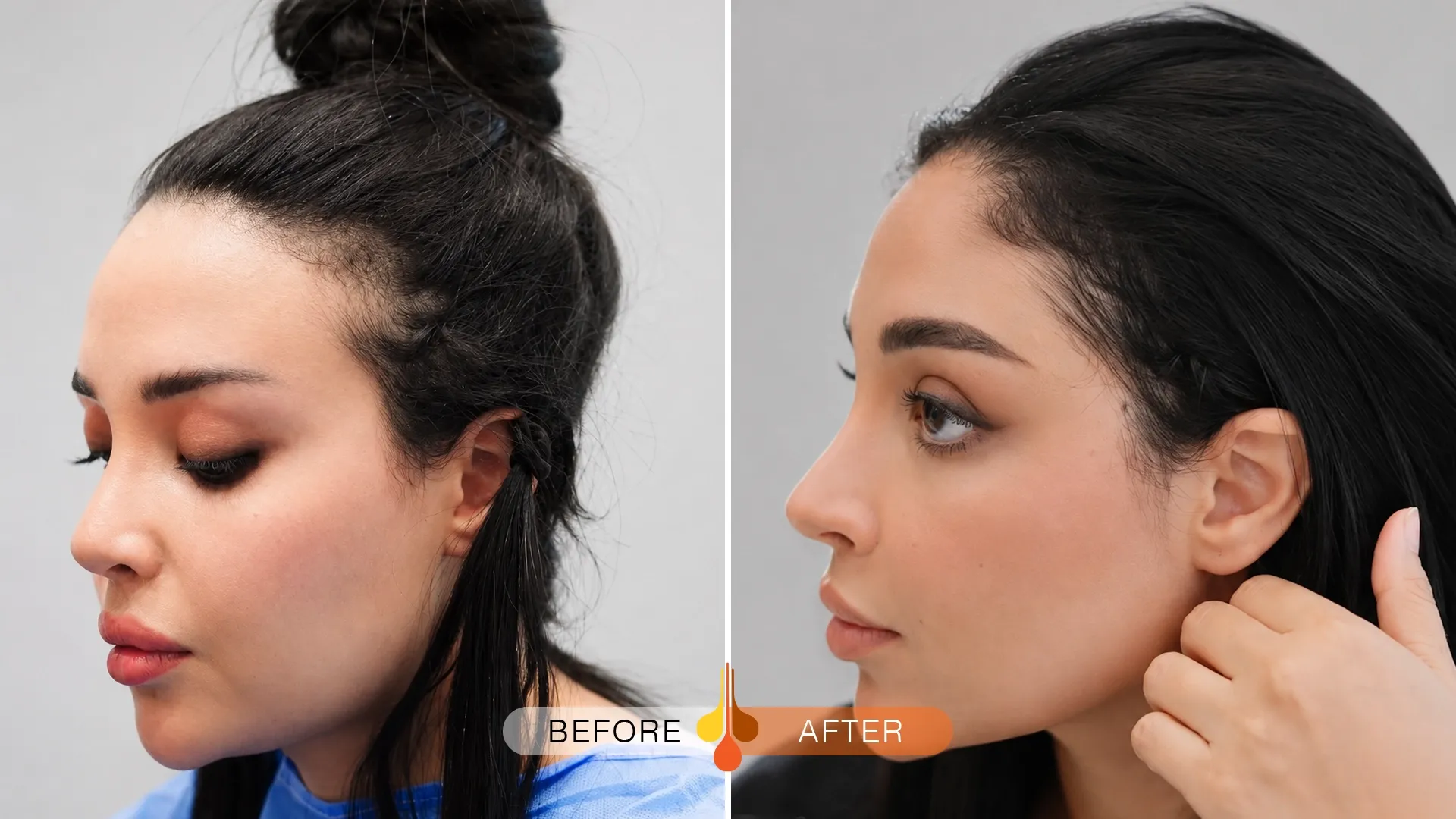
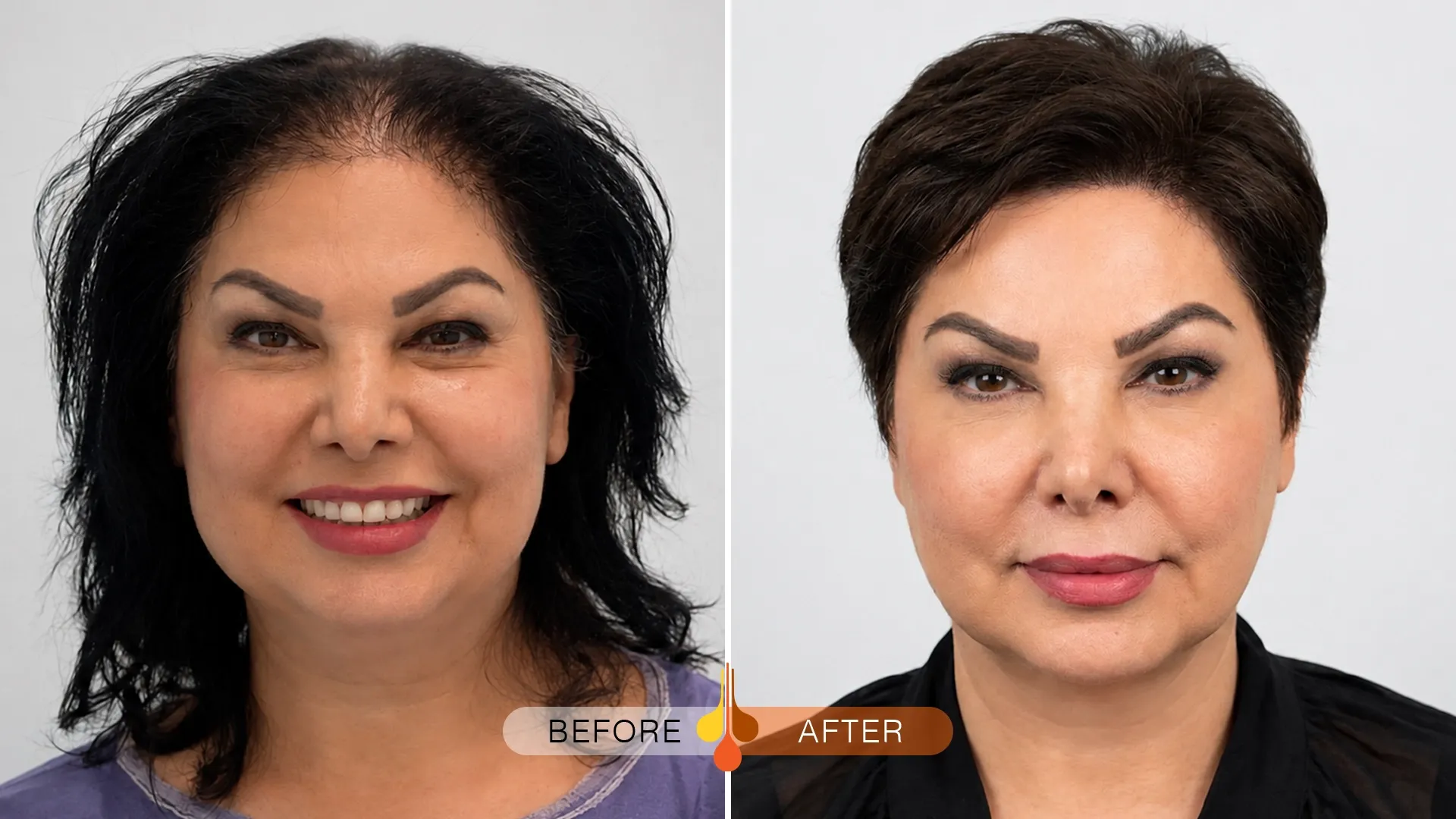
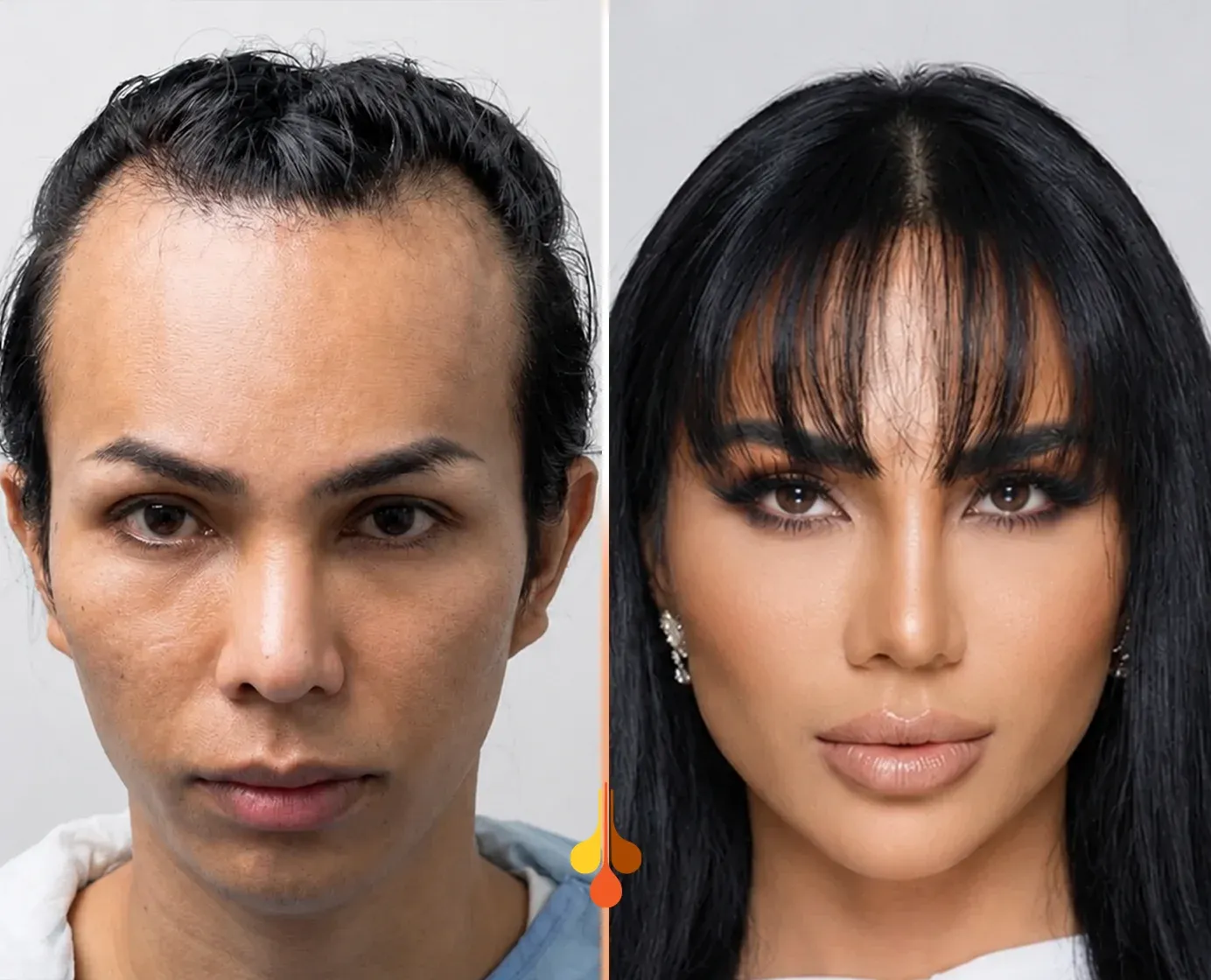
Outcome evaluation in hair transplant for women in Kuwait extends beyond visual impression. Objective and aesthetic measures must align. Density improvement is typically assessed per square centimeter, comparing baseline scalp measurements to post-operative growth after sufficient maturation time. This quantifiable metric provides clarity about actual follicular gain.
However, numbers alone are insufficient. Hairline naturalness remains central in women’s restoration. Subtle angulation, irregular micro-patterning, and proportionate framing of the face contribute to a result that blends rather than announces itself. Donor area integrity is also examined carefully. The absence of visible thinning or patchiness in the extraction zone reflects responsible graft harvesting.
Scar visibility, particularly in cases involving strip methods, is reviewed over time to confirm proper healing. Finally, stability after one year offers the most meaningful indicator of procedural durability. Sustained growth without progressive loss in treated zones suggests that surgical placement and medical maintenance were appropriately balanced.
When quantitative density analysis is integrated with refined aesthetic assessment, the interpretation of results becomes comprehensive. In women’s hair transplantation in Kuwait, lasting success lies not only in graft survival, but in harmony between restored density, preserved donor reserves, and the natural evolution of hair over time.
Comparing Regional Standards:
Cross-border treatment considerations sometimes arise between Kuwait and neighboring regions. Women’s Hair Transplant follows similar medical frameworks emphasizing conservative planning and combined therapy.
Consistency in sterile protocol, graft handling, and follow-up scheduling defines reputable services across both locations.
Cost Considerations and Transparency
Pricing structures usually depend on:
- Number of grafts
- Technique selected
- Surgeon expertise
- Supportive therapies included
Transparent consultation helps define projected graft counts realistically. Inflated graft promises can compromise donor integrity.
Responsible women’s hair transplantation in Kuwait centers emphasizes long-term benefit over short-term volume.
Psychological and Social Impact
Hair restoration in women extends beyond cosmetic benefit. Gradual density improvement can positively influence professional confidence and social comfort.
However, realistic outcome counseling remains important. Results enhance existing hair patterns; they do not create childhood density. Satisfaction correlates strongly with informed expectations.
Safety and Risk Profile
When conducted in medically supervised settings, Hair Transplants for Females in Kuwait demonstrate strong safety records. Minor temporary side effects may include:
- Swelling
- Tenderness
- Mild scabbing
Serious complications remain rare when sterile technique and skilled handling are maintained. Selecting qualified practitioners reduces procedural risk significantly.
Why Female Hair Transplants in Kuwait Require Specialized Expertise
Female scalp physiology differs in vascularity, density distribution, and cosmetic goals. Surgical teams experienced in male-only procedures may not automatically meet these nuances.
Training in feminine hairline architecture, diffuse thinning coverage, and donor conservation defines advanced practice standards.
Women’s hair transplant in Kuwait has matured into a specialized discipline requiring measured planning rather than routine execution.
Clinical Evaluation Framework for Female Hair Transplants in Kuwait
A structured evaluation process strengthens procedural planning and long-term density preservation. In female hair transplants in Kuwait, decision-making relies on objective measurement rather than visual estimation alone.
Below is a simplified clinical framework commonly used before confirming a hair transplant for women in Kuwait:
|
Assessment Category |
Clinical Focus | Why It Matters in Women’s Hair Transplant in Kuwait |
| Donor Density | Follicles per cm² in the posterior scalp |
Determines safe graft harvesting limit |
|
Miniaturization Rate |
Degree of follicle thinning | Identifies progressive diffuse patterns |
| Hormonal Profile | Thyroid, iron levels, androgen sensitivity |
Detects treatable internal causes |
|
Scalp Condition |
Inflammation, scarring, and seborrhea | Impacts graft survival |
| Family History | Genetic influence pattern |
Predicts long-term stability |
Hair Transplants for Females in Kuwait are rarely planned without reviewing these factors. Conservative harvesting protects future donor integrity, especially in younger patients.
Diffuse Thinning vs. Localized Hair Loss
Female hair restoration differs greatly depending on the pattern distribution.
Diffuse Thinning
Most common in Women’s hair transplant cases in Kuwait. Density is reduced across wider zones, but the hairline often remains intact. In these scenarios, women’s hair transplantation in Kuwait may involve strategic micro-grafting combined with supportive therapy.
Localized Thinning
Includes temporal recession or traction alopecia. Hair transplant for women in Kuwait provides more direct reconstruction, as the donor-to-recipient contrast is clearly defined. Correct classification reduces unnecessary graft use.
Graft Planning Strategy in Hair Transplants for Females in Kuwait
A frequent misconception associates success with high graft counts. In reality, refined distribution produces better aesthetic results than density overload.
Typical strategic considerations include:
- Layered placement rather than concentrated packing
- Prioritizing mid-scalp reinforcement over aggressive hairline lowering
- Preserving donor reserves for aging progression
- Avoiding extraction beyond safe follicular thresholds
Women’s hair transplant in Kuwait protocols increasingly emphasize incremental improvement. This strategy avoids unnatural density peaks that may look artificial under strong lighting.
Safety Standards in Women’s Hair Transplantation in Kuwait
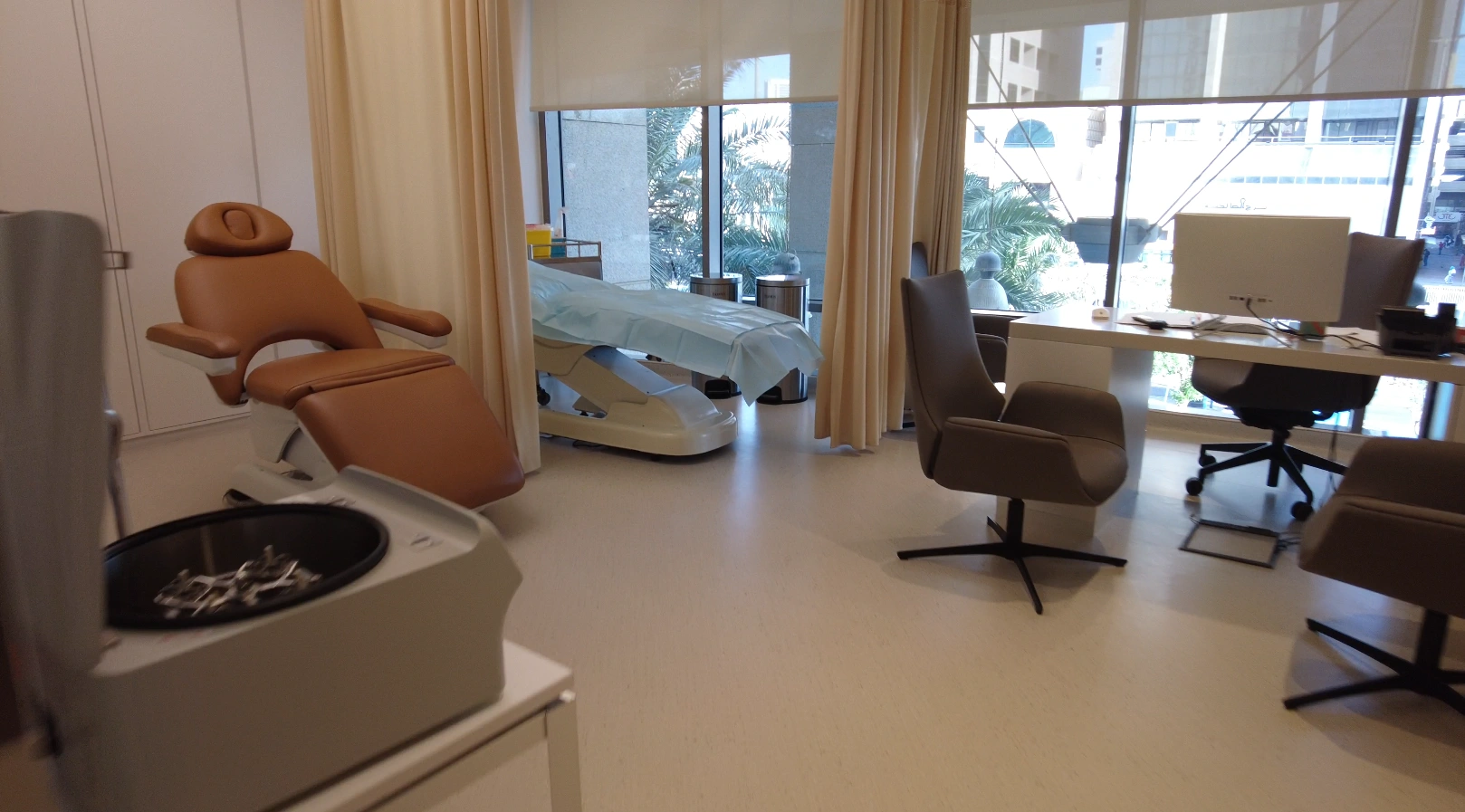
Safety in women’s hair transplantation in Kuwait is rooted in structured medical governance rather than cosmetic convenience. Every phase of the procedure — from preparation to follow-up — depends on a controlled clinical protocol. A sterile operating environment forms the foundation of this structure. Air quality regulation, disinfected surfaces, and surgical-grade instrumentation reduce microbial risk and protect the delicate grafts during handling.
Extraction instruments are typically designated for single use or subject to validated sterilization processes. This precaution prevents cross-contamination and maintains procedural integrity. During implantation, harvested follicles are preserved in controlled graft storage solutions designed to maintain hydration and cellular viability. The biochemical environment surrounding grafts while outside the body directly influences survival rates, making storage methodology a critical component of quality care.
Equally important is thorough documentation. Recorded consent, pre-operative imaging, and staged photographic tracking establish transparency and accountability. In female hair transplants in Kuwait, documented graft counts and clearly archived before-and-after cases serve as ethical benchmarks rather than marketing tools. This level of traceability reflects clinical responsibility and reinforces trust in outcomes.
Comparative Overview: Surgical vs. Combined Therapy
|
Treatment Approach |
Advantages |
Considerations |
|
Surgery Only |
Immediate structural density improvement | May not address progressive thinning |
| Medical Therapy Only | Non-invasive stabilization |
Limited ability to restore lost density |
|
Combined Strategy |
Balanced regrowth and preservation |
Requires staged planning |
Women’s hair transplant programs in Kuwait that combine modalities frequently demonstrate stronger 12-month outcomes, especially in diffuse thinning cases.
Scalp Health Optimization Before Hair Transplant for Women in Kuwait
A healthy scalp environment improves graft acceptance rates. Before scheduling women’s hair transplantation in Kuwait, inflammation or dermatitis should be managed.
Common preparatory measures may include:
- Anti-inflammatory scalp therapy
- Correction of seborrheic conditions
- Adjustment of tight styling practices
- Nutritional optimization
Subclinical inflammation often goes unnoticed yet can impair early healing phases.
Summary: A Balanced Path Toward Natural Density
Female hair transplants in Kuwait represent a clinically structured solution for women seeking durable density improvement. When diagnosis, conservative graft design, and supportive therapy align, outcomes remain balanced and believable.
Hair Transplant For Women Kuwait services today focus on medical integrity rather than aggressive marketing. Careful candidate selection, stable donor management, and evidence-based aftercare collectively shape predictable results.
Whether evaluating women’s hair transplant in Kuwait or comparing Women’s Hair Transplant , the principle remains consistent: preservation first, restoration second.
Women’s hair transplantation in Kuwait continues to advance through refined techniques and responsible practice. The result is not a transformation for spectacle, but restoration that integrates quietly and naturally into existing identity — steady, gradual, and medically grounded.