




Celebrating 1 million hair transplants Beauty website

Facial Hair Restoration, Tailored to You

A beard transplant is not simply about adding more hair. Cheek lines, moustache connections, jawline coverage, density, curl, and growth direction must work with the face. Padra plans each case around your existing facial hair, donor characteristics, preferred style, and the areas that need refinement.

Build the Beard Shape Your Face Was Missing

4.8 star

from over 12,500 reviews

Your Beard & Moustache Transplant At a Glance

  • TECHNIQUE TECHNIQUE FUE-based
  • Procedure Time Procedure Time Several hours
  • Anesthetic Anesthetic Local
  • DONOR AREA DONOR AREA Usually back or sides of scalp
  • SESSIONS SESSIONS Often one planned session
  • VISIBLE RECOVERY VISIBLE RECOVERY Often 5 to 10 days
  • EARLY GROWTH EARLY GROWTH Around 3 to 4 months
  • FULLER RESULTS FULLER RESULTS Around 8 to 12 months

Beard Density Designed Around the Face

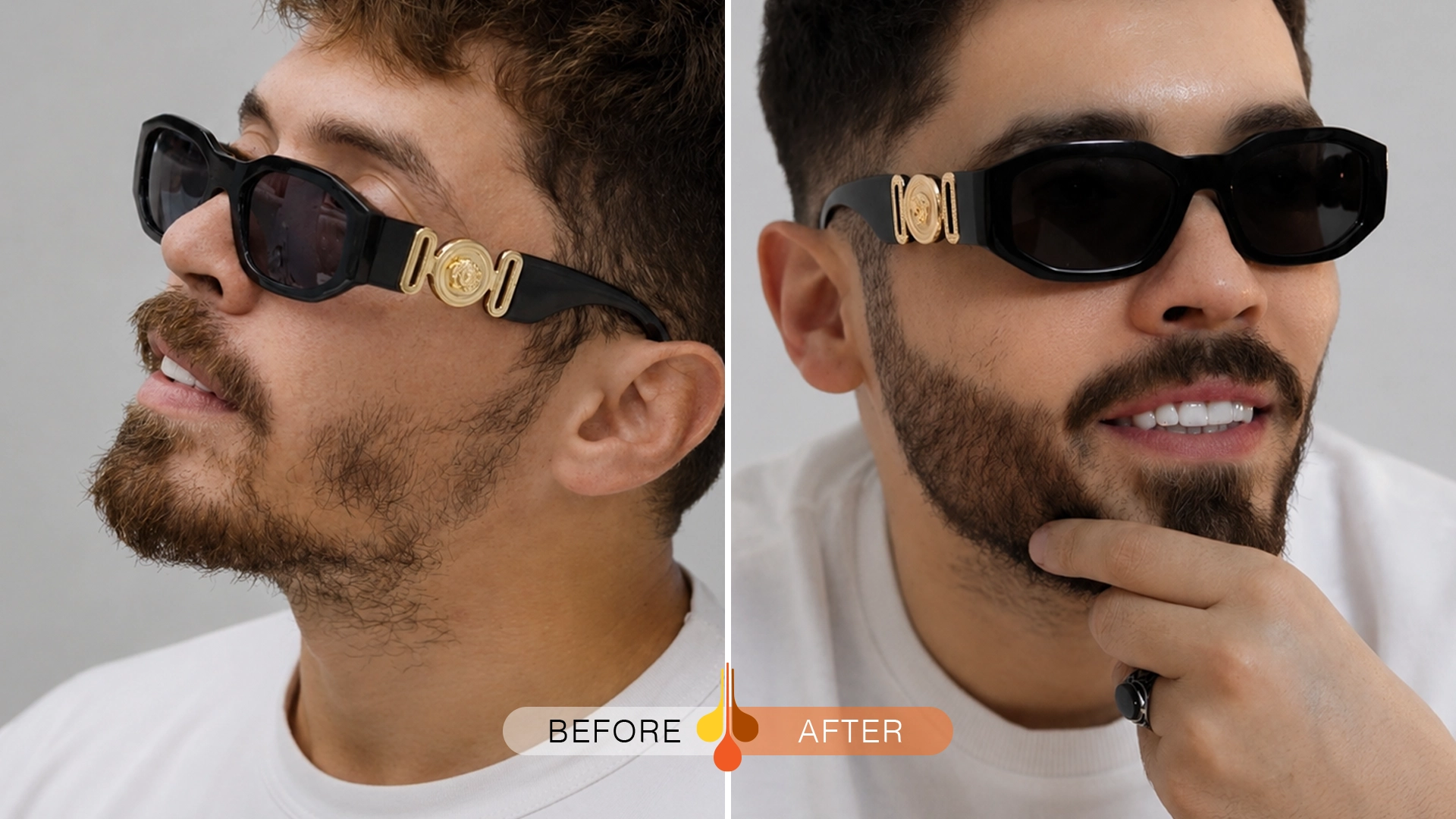
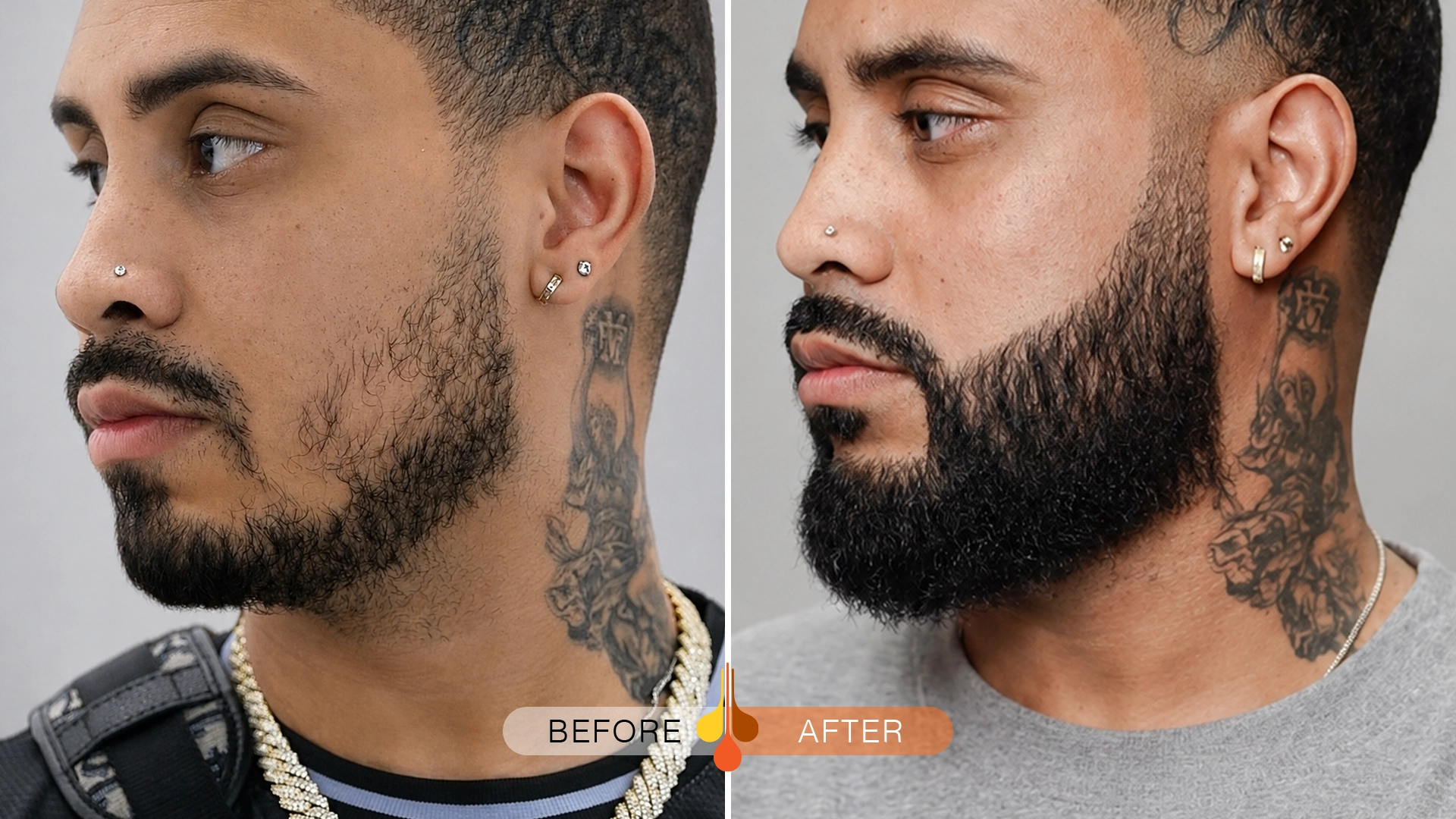
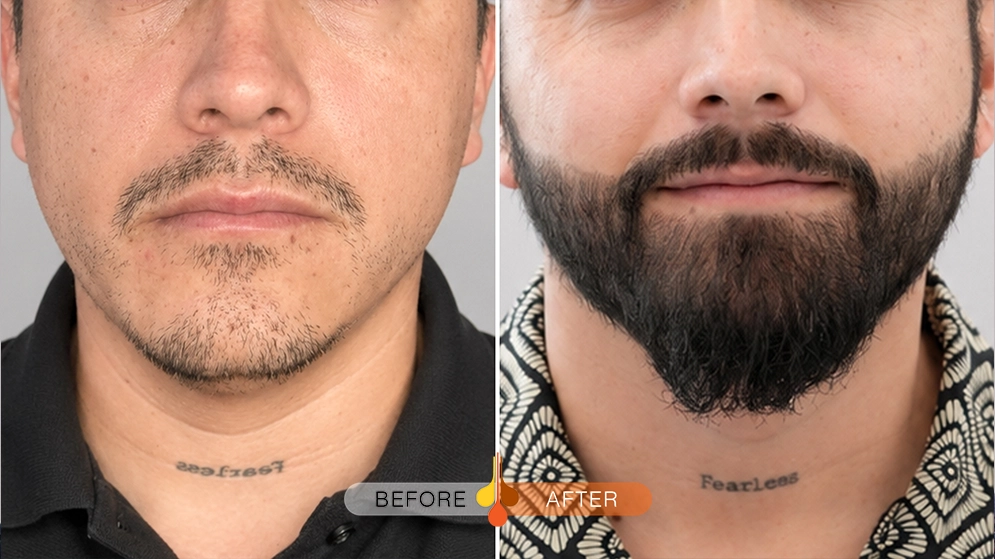
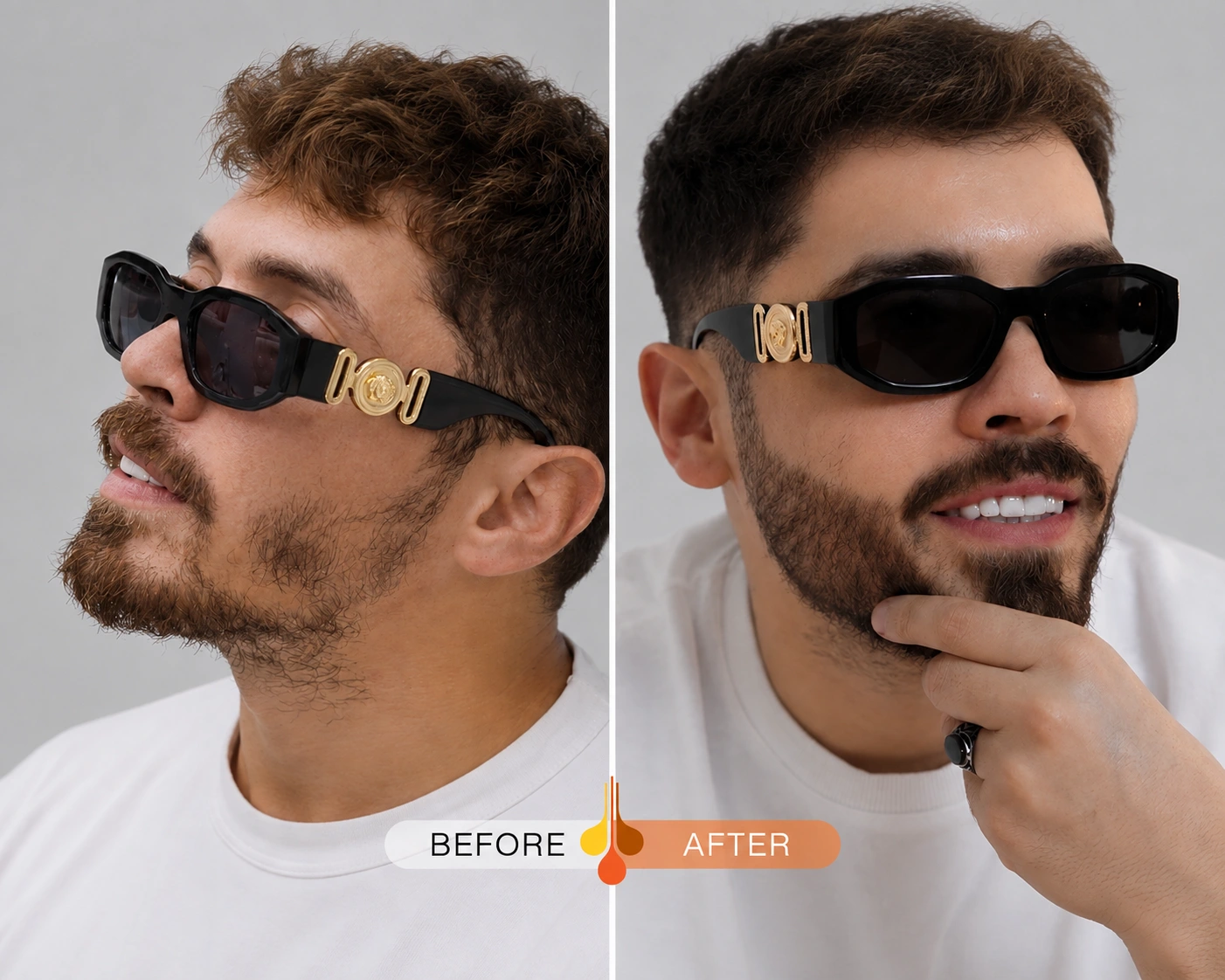
Explore real cases across different hair-loss patterns, donor areas, graft ranges, and growth stages. Every case is individual, and results may vary.

beard-moustache-transplant-ksa-02
beard-moustache-transplant-ksa-01
beard-moustache-transplant-ksa-03

All You Want to Know About Beard Transplant

Before and after beard transplant results for a male patient at Padra

What Is a Beard Transplant?

A beard and moustache transplant relocates suitable follicles, usually from the scalp, into areas with sparse or uneven facial hair. The design considers the jawline, cheek line, moustache shape, natural density, and facial hair growth direction for a natural result.

Key Benefits

Face-Led Design: Shapes the beard around the jaw, cheeks, chin, and personal style.

Patch and Scar Coverage: Restores selected gaps when donor hair is suitable.

Natural Angle Control: Places follicles to match facial hair growth direction.

Density Gradient: Builds gradual coverage for a natural appearance.

Donor-Hair Selection: Selects follicles based on texture and visual compatibility.

Grooming After Growth: Allows trimming and styling like natural beard hair.

At Padra, this technique is performed according to the same standards followed across all Padra branches.

Why Choose Padra for Beard Transplant

Beard restoration is a facial-design procedure. Padra should differentiate through careful mapping, low-angle placement, donor-hair selection, realistic density planning, and a result that fits the individual face rather than a standard beard template.

  • +1M Hair Transplant Procedures in Padra
  • 26 Years of Results Patients Trust
  • 6 Branches Riyadh, Dubai, Doha, Kuwait City, and Toronto
medical consultation room at Padra Clinic kuwait
Padra Clinic reception desk with staff assisting a patient
  • Facial-Hair Assessment

    Facial-Hair Assessment

    Existing beard growth, skin condition, donor hair, facial proportions, and goals are reviewed.

  • Beard and Moustache Design

    Beard and Moustache Design

    Cheek lines, jawline, chin, moustache, sideburns, and density transitions are mapped.

  • Local Anesthesia

    Local Anesthesia

    The donor and recipient areas are anesthetized according to the plan.

  • Follicle Extraction

    Follicle Extraction

    Suitable follicles are removed from the donor area with attention to quality and visible donor density.

  • Directional Implantation

    Directional Implantation

    5 Directional Implantation Grafts are placed one by one at angles and directions that match natural facial-hair flow.

  • Aftercare and Growth Follow-Up

    Aftercare and Growth Follow-Up

    The team provides washing, sleeping, activity, sun, shaving, and follow-up guidance.

  • Donor-Area Planning

    Donor-Area Planning

    The donor area is mapped according to hair density, follicle quality, and the number of grafts needed while preserving visible coverage.

  • Graft Selection and Sorting

    Graft Selection and Sorting

    Extracted follicles are evaluated and selected based on hair thickness, follicular structure, and suitability for different parts of the beard and moustache.

Book Your Free Online Consultation Today

Let our team assess your hair loss pattern and help you understand your possible treatment options before making a decision.

More Than 12,500 Google Reviews

Real Experiences Shared by Padra Patients

VIP Care, Seamlessly Arranged Around You

From travel planning to aftercare, Padra’s VIP care brings every detail together for a smoother, more comfortable experience. Services may vary by branch.

  • Hotel & Visa Support Support with hotel arrangements and general visa guidance, helping you prepare for your visit with greater clarity and confidence before you travel.
  • Hotel & Clinic Transfers Coordinated transfers between the airport, hotel, and clinic help keep your visit organized and comfortable from arrival through treatment and follow-up.
  • Personalised Aftercare Kit A procedure-specific kit with practical recovery essentials and clear instructions to help you care for the treated area during early healing.
  • Dedicated Consultant One consistent point of contact to support appointment planning, travel coordination, preparation, and aftercare questions throughout your experience with Padra.
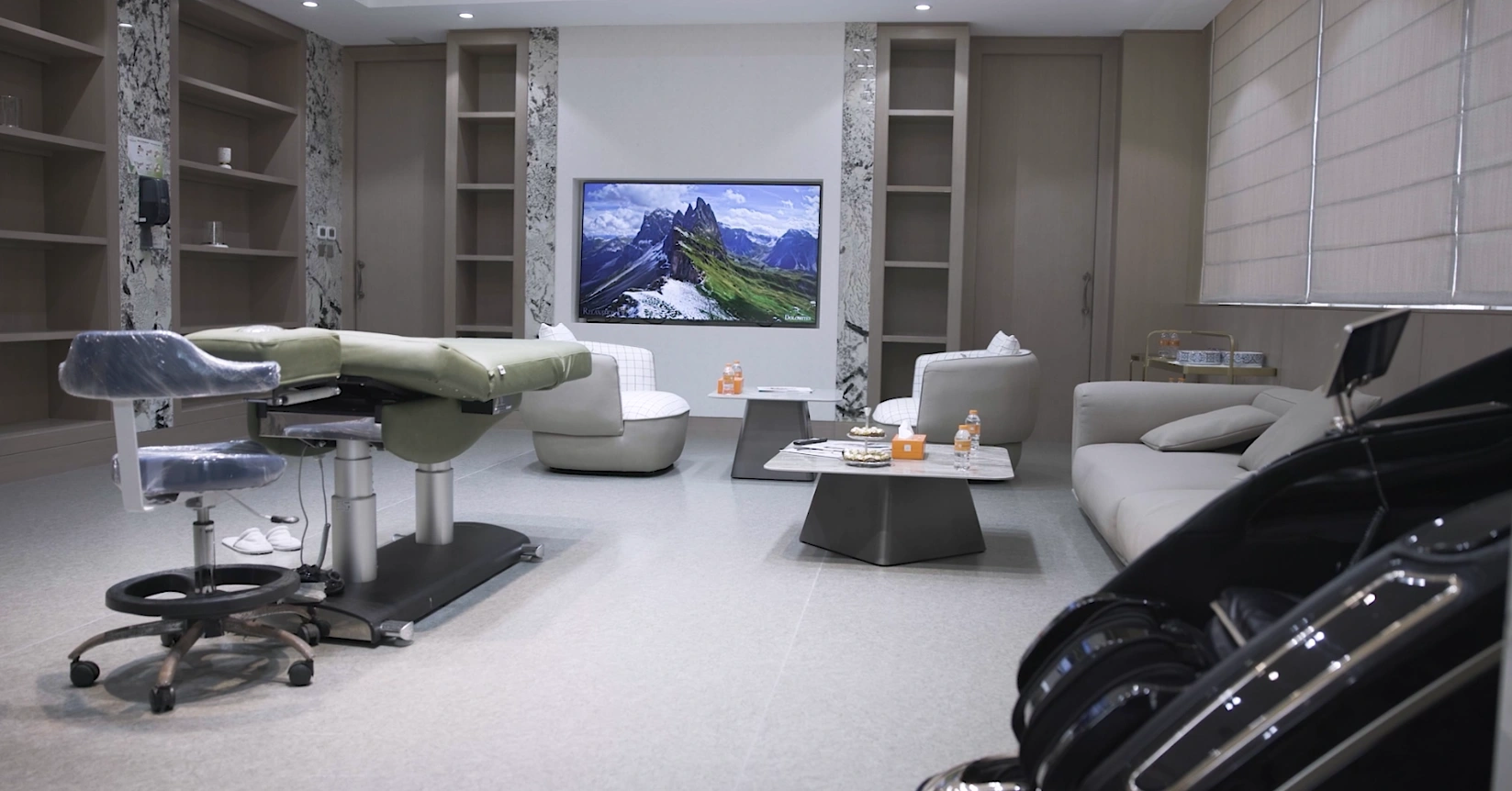
Private patient treatment and recovery suite at Padra Clinic Qatar

We’re Here to Answer Your Questions

1. Who is a good candidate for a beard transplant?

Adults with patchy or absent facial hair, clear goals, suitable donor hair, a healthy treatment area, and realistic expectations may be candidates after assessment.

2. Where does the donor hair come from?

Follicles are commonly taken from the back or sides of the scalp. The donor choice depends on texture, colour, calibre, availability, and the area being restored.

3. Can a beard transplant look natural?

It can when the outline, spacing, density, angle, and direction follow the patient’s facial structure and existing beard pattern.

4. Can transplanted beard hair be shaved and styled?

Once the area has healed and the hair has matured, it can usually be trimmed and styled. Scalp donor hair may grow longer or differently and require regular grooming.

5. Is the procedure painful?

Local anesthesia is used. Patients may feel brief injections, pressure, or pulling, followed by temporary sensitivity during recovery.

6. When will I see growth?

Early growth often begins around 3 to 4 months. A fuller result is usually assessed around 8 to 12 months.

7. Does a beard transplant last forever?

Suitable donor follicles may provide long-term growth, but aging, hair characteristics, healing, grooming, and the underlying condition can affect the appearance over time.

What Is a Beard Transplant?

A beard transplant is a surgical procedure where hair follicles are extracted from a donor site (usually the back of the head) and transplanted to the beard area. It’s a popular choice for men seeking to enhance their beard density or fill in patchy areas.

There are two primary techniques for beard transplants:

  1. Follicular Unit Extraction (FUE): Individual hair follicles are extracted and transplanted. This method minimizes scarring and ensures precise placement.
  2. Follicular Unit Transplantation (FUT): A strip of hair is removed from the donor area, and individual grafts are implanted into the beard.

With modern techniques, the results are virtually indistinguishable from a natural beard, offering seamless integration and a fuller appearance.

Benefits of a Beard Transplant

A beard transplant provides a range of benefits, both aesthetic and emotional:

  • Achieve a Full, Natural Beard: Say goodbye to patchy or thin areas. A beard transplant creates uniform density for a natural look.
  • Boost Confidence: A fuller beard can significantly enhance self-image and make styling easier.
  • Permanent Results: Unlike temporary fixes or treatments, a beard transplant offers a lifelong solution with proper care.
  • Styling Flexibility: Once healed, you can trim, shape, and groom your beard however you like.

Whether you want a rugged stubble or a bold, statement beard, this procedure offers limitless possibilities.

Beard Transplant Procedure: What to Expect
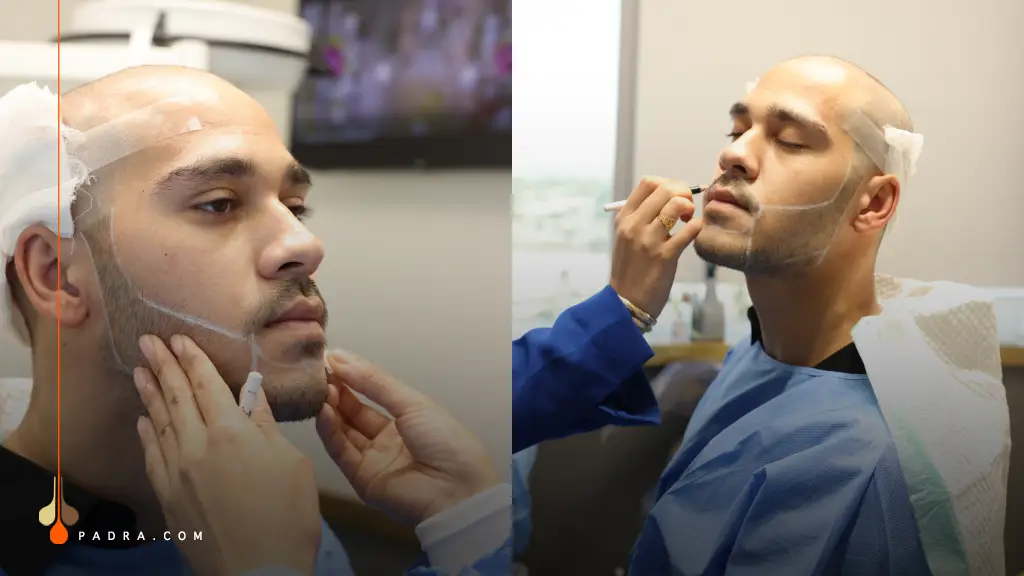
Beard Transplant Procedure

Understanding the process can help you feel more comfortable and prepared for your journey:

  1. Consultation:
    Your surgeon will assess your facial structure, hair density, and goals to determine the number of grafts needed. This personalized approach ensures optimal results.
  2. The Procedure:
    • Donor Hair Extraction: Hair follicles are carefully removed from the donor site under local anesthesia.
    • Graft Placement: The surgeon implants each follicle into the target areas of the beard, following your natural hairline and growth patterns
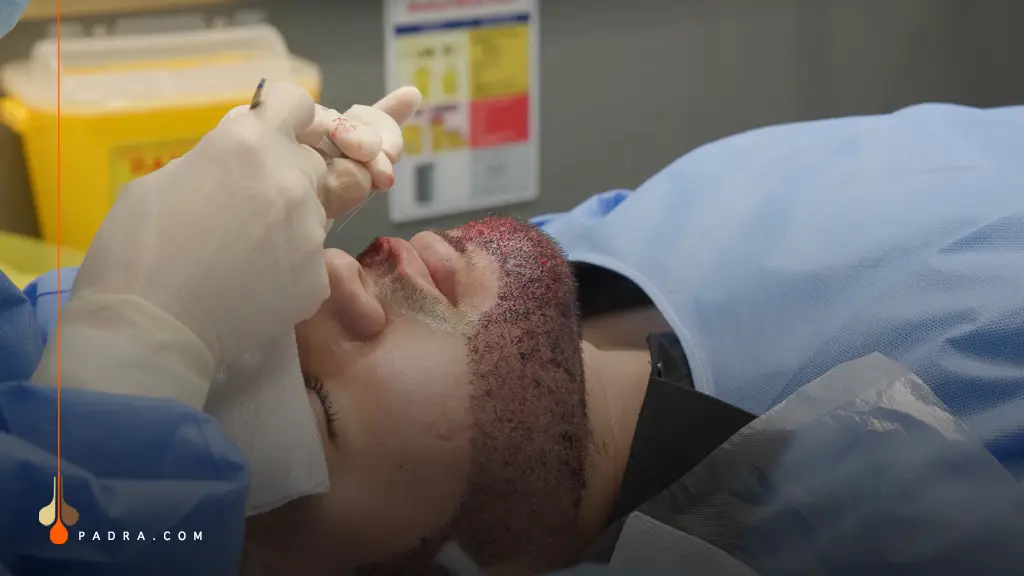
Beard Transplant graft implantation

At Padra Clinic, our advanced techniques and post-op care ensure a smooth experience and stunning outcomes.

Beard Transplant Aftercare: Ensuring Proper Healing and Growth

Proper aftercare is essential for optimal healing and long-term beard growth. Follow these guidelines to protect your transplanted follicles and ensure the best results.

1. First 48 Hours

  • Avoid touching or scratching the transplanted area.
  • Keep your face dry; do not wash the area.
  • Sleep with your head elevated to reduce swelling.

2. Cleaning and Washing
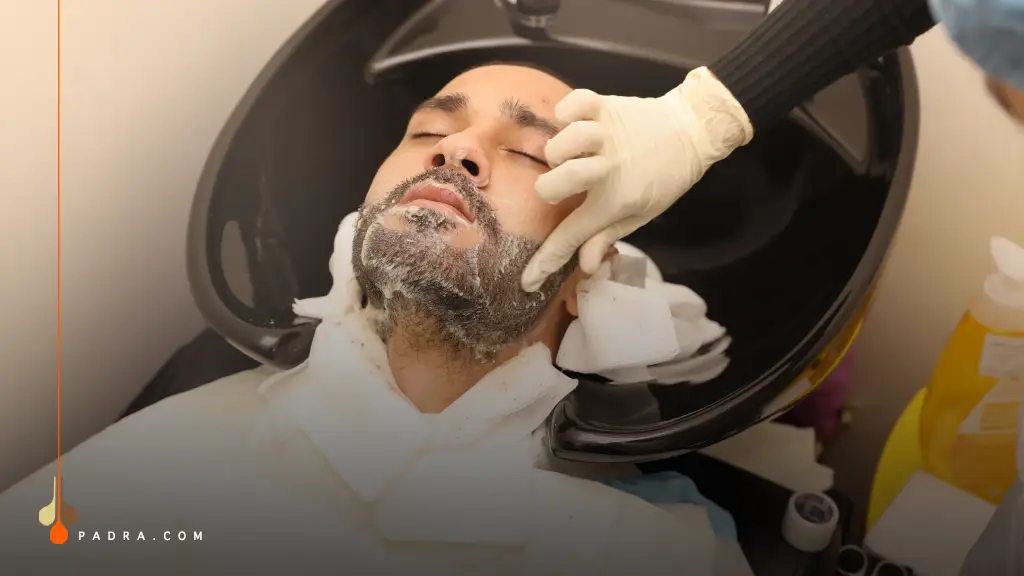
washing after Beard Transplant

  • After 48 hours, gently cleanse with a mild shampoo.
  • Use a cup of lukewarm water instead of direct shower pressure.
  • Pat dry—avoid rubbing or applying pressure.

3. Managing Swelling and Redness

  • Mild swelling and redness are normal for a few days.
  • Apply cold compresses to the donor area if needed.
  • Avoid strenuous activities and sweating for one week.

4. Avoiding Irritants

  • No smoking or alcohol for at least one week to aid healing.
  • Avoid direct sunlight and harsh skincare products for a month.

5. Shedding and Growth

  • Transplanted hairs may shed within 2–4 weeks—this is normal.
  • New growth starts at 3–4 months, with full results in 8–12 months.

6. Long-Term Care

  • Once healed, you can shave and style as usual.
  • Maintain beard hygiene and use nourishing oils for healthy growth.

By following these steps, you’ll ensure a smooth recovery and a natural-looking, long-lasting beard transplant.

How Much Does a Beard Transplant Cost?

The cost of a beard transplant varies depending on factors such as:

  • Number of Grafts: The more grafts required, the higher the cost.
  • Clinic Location and Expertise: Premium clinics with experienced surgeons may charge more but provide better results.
  • Techniques Used: Advanced methods like FUE may cost slightly more due to their precision.

On average, the price ranges between $3,000–$7,000. At Padra Clinic, we offer transparent pricing, affordable packages, and financing options to ensure accessibility without compromising quality.

Why Choose Padra Clinic for Your Beard Transplant?

Padra Clinic has earned a reputation as a leading provider of hair transplant and restoration services, including beard transplants. Here’s why patients trust us:

  • Expert Surgeons: Our specialists have extensive experience in performing precision beard transplants.
  • State-of-the-Art Technology: We use the latest techniques like FUE to ensure natural-looking and permanent results.
  • Personalized Care: From consultation to recovery, we tailor the experience to your unique needs.
  • Satisfied Clients: With glowing reviews and success stories, we’re proud to be a trusted name in the field.

Your journey to a fuller beard starts with us. Book a consultation today at Padra Clinic!


Conclusion

A beard transplant is a life-changing procedure for men seeking a full, natural, and confident look. With advanced techniques and experienced specialists, Padra Clinic delivers outstanding results tailored to your goals. Ready to transform your appearance? Contact Padra Clinic today and take the first step towards achieving your dream beard.

Need an Appointment?

Share your details and our team will contact you to guide your next step, answer your questions, and help you understand whether FUE is the right option for your hair loss pattern.