




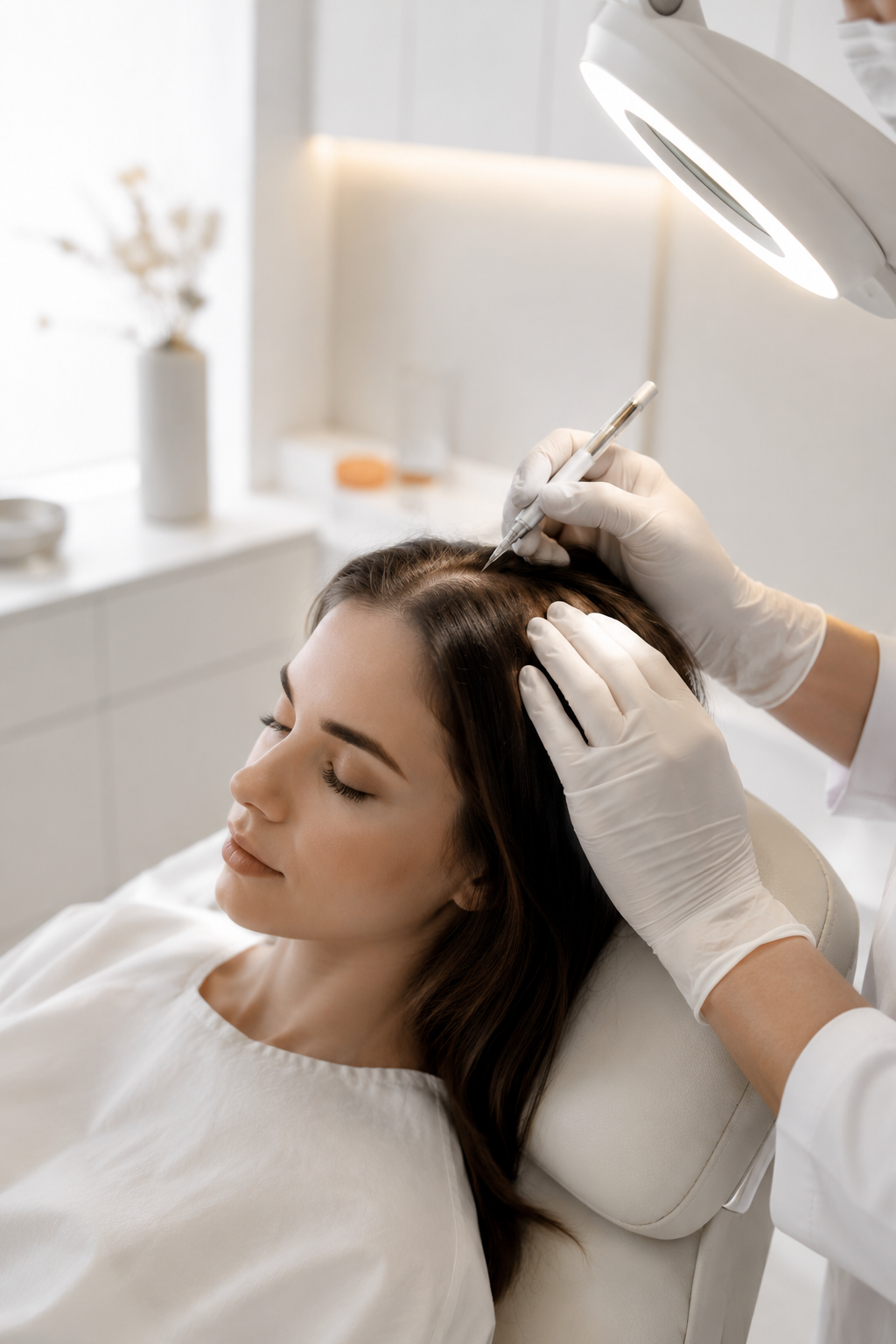






Why Do Women Lose Hair?
Hair loss in women can result from several factors, including:
- Hormonal Imbalances: Conditions like PCOS (Polycystic Ovary Syndrome), menopause, and postpartum hormonal shifts can trigger androgenetic alopecia in women.
- Medical Conditions: Thyroid disorders, anemia, and autoimmune diseases like alopecia areata contribute to female pattern baldness.
- Stress and Diet: Emotional stress and nutritional deficiencies (iron, biotin, protein) can accelerate hair thinning.
- Traction Alopecia: Frequent use of tight hairstyles, extensions, or chemical treatments can damage hair follicles permanently.
How Female Hair Loss Differs from Male Hair Loss
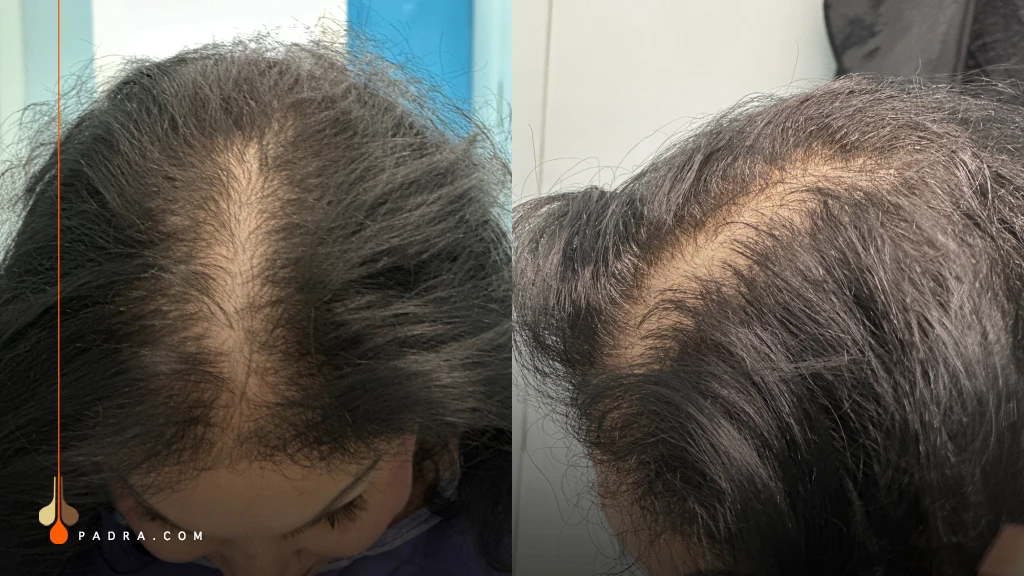
Unlike men, who typically develop receding hairlines or bald spots, women experience diffuse thinning across the scalp. This makes ladies’ hair transplant procedures more complex, as there’s often less donor hair available compared to men.
Am I a Candidate for a Female Hair Transplant?
Hair transplants are ideal for localized hair loss, such as:
- Receding hairline
- Thinning at the crown
- Hair loss due to traction alopecia
- Eyebrow or hairline correction
However, diffuse thinning across the entire scalp may not make you a good candidate. In such cases, PRP therapy, medications, or non-surgical treatments might be recommended instead.
Can Women Get Hair Transplants?
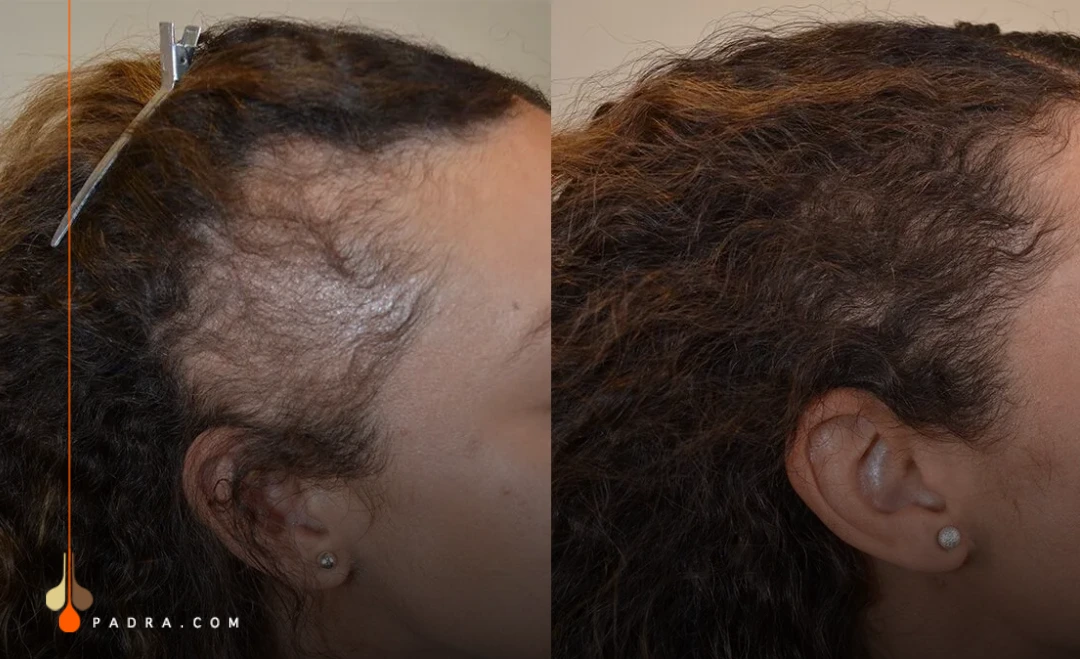
Hair transplants for women are not only possible but can be highly effective when performed using the right techniques. However, the process differs from male hair restoration in several ways. Women often have diffuse thinning rather than localized bald patches, meaning the donor area must be carefully selected to ensure a natural, seamless look. Additionally, many women prefer a method that does not require shaving their heads, which is possible with specialized techniques such as DHI (Direct Hair Implantation) or selective FUE (Follicular Unit Extraction).
Am I a Candidate for a Female Hair Transplant?
Absolutely! However, the procedure is different for women than for men.
Will I Need to Shave My Head?
One of the biggest concerns is whether women need to shave their head for a hair transplant. The good news is:
- Traditional FUE and FUT do not require full head shaving—only a small portion at the donor site (typically hidden under existing hair).
- DHI (Direct Hair Implantation) is a non-shaven method, making it ideal for women who want a discreet procedure.
Is a Hair Transplant as Effective for Women as for Men?
Yes, but success depends on the cause of hair loss. If healthy donor hair is available, results can be just as effective as in men. However, women with diffuse thinning may need a combination of PRP therapy and medications for optimal results.
Female Hair Transplant Techniques: What Are Your Options?
Women considering hair transplants have multiple options, each designed to address different hair loss patterns and personal preferences. The right technique depends on factors such as the extent of hair thinning, the availability of donor hair, and whether a patient prefers a non-shaven approach. Below is a breakdown of the most effective hair transplant methods available for women.
1. FUE (Follicular Unit Extraction)
- Individual hair follicles are extracted from the donor area and implanted into thinning regions.
- Minimally invasive and doesn’t leave a visible scar.
- Requires some shaving at the donor site.
2. FUT (Follicular Unit Transplantation)
- A strip of skin with hair follicles is taken from the donor area and transplanted.
- Best for women needing high-density restoration.
- Leaves a small linear scar, but the hair covers it.
3. DHI (Direct Hair Implantation) – Best for Women
- No shaving required—perfect for discreet procedures.
- Uses an implantation pen to place follicles directly.
- Faster recovery than FUE or FUT.
Which Technique is Best for Women?
- For minimal hair loss: DHI or FUE.
- For larger bald patches: FUT or FUE.
- For a completely natural look without shaving: DHI.
Post-Operation Recovery Timeline and Long-Term Hair Maintenance
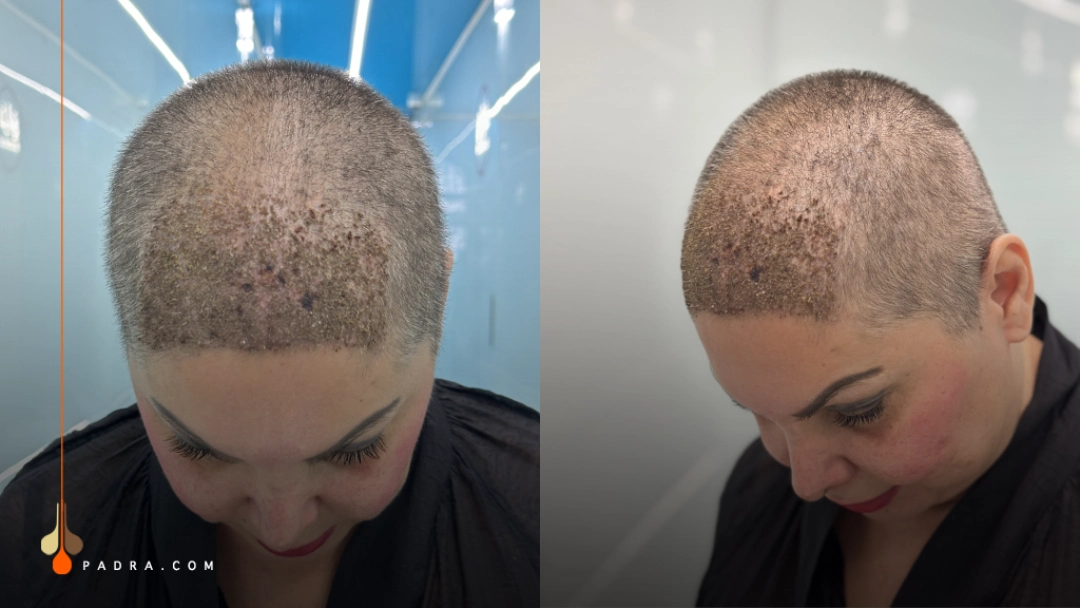
Caring for your hair after a transplant involves two critical phases: the immediate recovery period, which ensures proper healing and graft survival, and long-term maintenance, which supports healthy hair regrowth. Women who opt for non-shaven techniques need to take extra precautions to avoid dislodging grafts while maintaining their existing hair. Below is a breakdown of what to expect in each stage.
First 48 Hours:
- Rest and Avoid Touching the Scalp: Avoid unnecessary contact with the scalp to prevent disrupting the newly implanted grafts.
- Keep the Area Dry: Refrain from washing your hair to allow the grafts to settle properly.
- Avoid Sleeping Directly on the Transplanted Area: Use a soft pillow and keep your head elevated to minimize swelling.
Days 3-7:
- Gentle Washing Routine: Begin washing your hair with a mild, sulfate-free shampoo using light dabbing motions. Avoid vigorous scrubbing for the first few weeks.
- Minimizing Hair Styling Stress: Women opting for a non-shaven method should avoid tight ponytails, braids, or heavy hair accessories that could put strain on the implanted follicles.
- Swelling and Scab Formation: Some swelling and tiny scabs are normal; do not pick at them as they will fall off naturally.
Weeks 2-4:
- Avoiding Heat and Chemicals: Minimize the use of hot styling tools, hair dyes, and chemical treatments to protect the new grafts.
- Increased Shedding (Shock Loss): It’s common to experience some shedding of transplanted hair—this is part of the normal growth cycle.
Months 2-6:
- New Hair Growth Begins: Tiny new hairs will start to emerge. Some may be fine or uneven in texture initially.
- Scalp Massages and PRP Therapy: Gentle scalp massages promote blood circulation, and periodic PRP (Platelet-Rich Plasma) treatments may enhance graft survival and overall hair growth.
6 Months – 1 Year:
- Full Hair Regrowth: Hair begins thickening, and the final results become more visible.
- Protecting the Scalp from UV Exposure: Sun protection is essential to prevent graft damage. Wear a loose-fitting hat or use a UV-protectant spray when outdoors.
Regular Follow-Ups and Long-Term Hair Care
Maintaining the results of a hair transplant requires consistent care and attention beyond the initial recovery phase. Women, especially those who opt for non-shaven techniques, must follow a structured regimen to keep both transplanted and natural hair healthy. By adhering to the right follow-up schedule and adopting long-term scalp care practices, you can maximize the longevity and natural appearance of your results.
- Routine Check-Ups with Your Specialist: Visiting your hair transplant specialist at recommended intervals ensures progress is monitored, and any issues, such as uneven growth or delayed healing, can be addressed early.
- Consistent Scalp Care Routine: Maintain a healthy scalp environment with gentle hair care products that support follicle growth.
- Maintaining a Nutritious Diet: Hair health is directly tied to nutrition. A diet rich in biotin, zinc, iron, and omega-3 fatty acids supports long-term follicle health.
- Considering PRP or Laser Therapy: Periodic Platelet-Rich Plasma (PRP) therapy or low-level laser therapy (LLLT) can help strengthen transplanted hair and encourage continued regrowth.
- Avoiding Over-Styling: Using excessive heat, harsh hair dyes, or tight hairstyles can weaken both transplanted and natural hair over time.
Choosing the Best Clinic for Female Hair Transplants: What to Look For
Choosing the right clinic is one of the most important steps in ensuring a successful hair transplant. Women have unique concerns, such as achieving natural density, avoiding a shaved appearance, and ensuring minimal scarring. To get the best results, consider the following factors:
- Expertise and Certification: Ensure the clinic has board-certified hair transplant specialists with extensive experience in treating female hair loss.
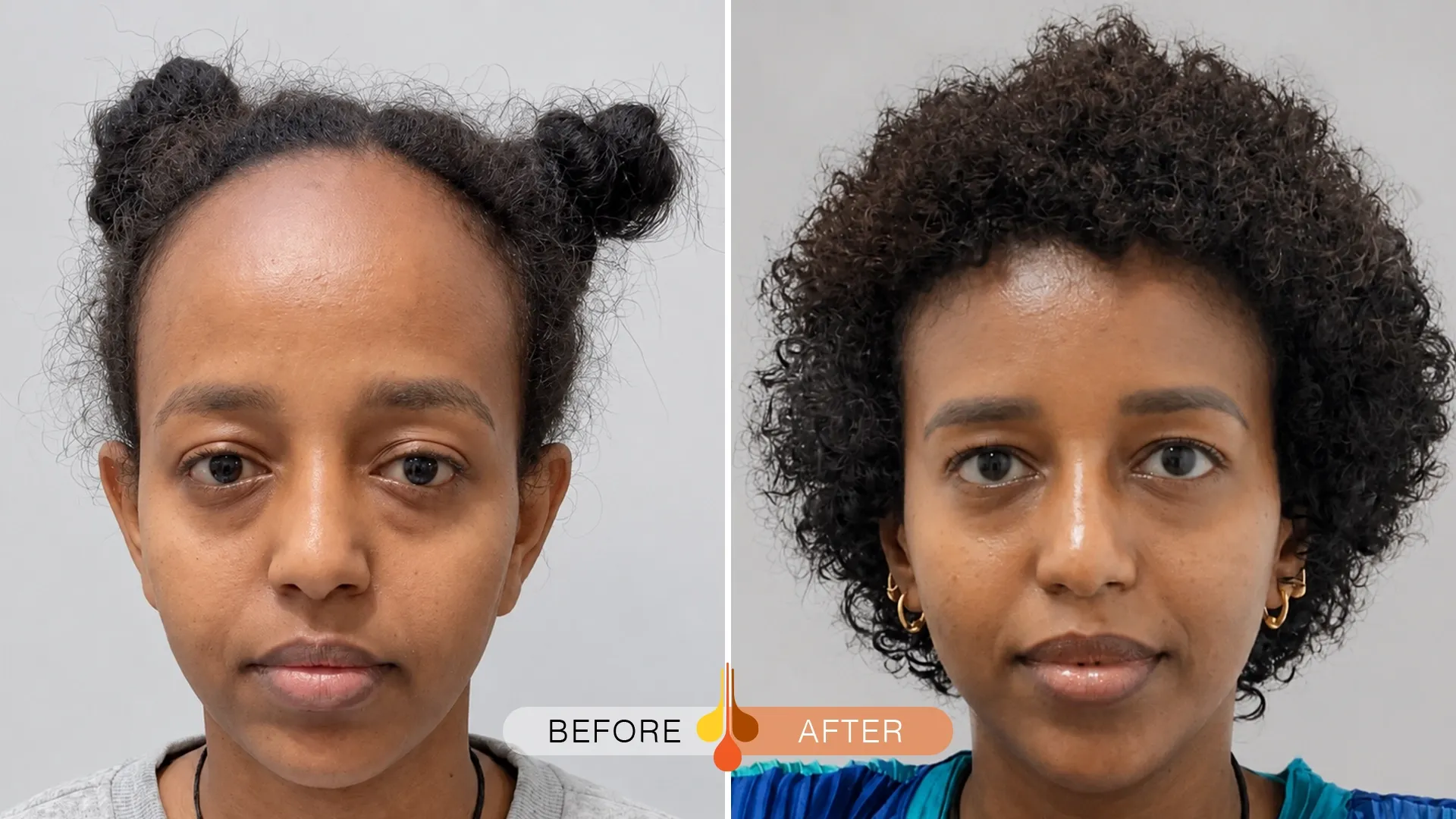
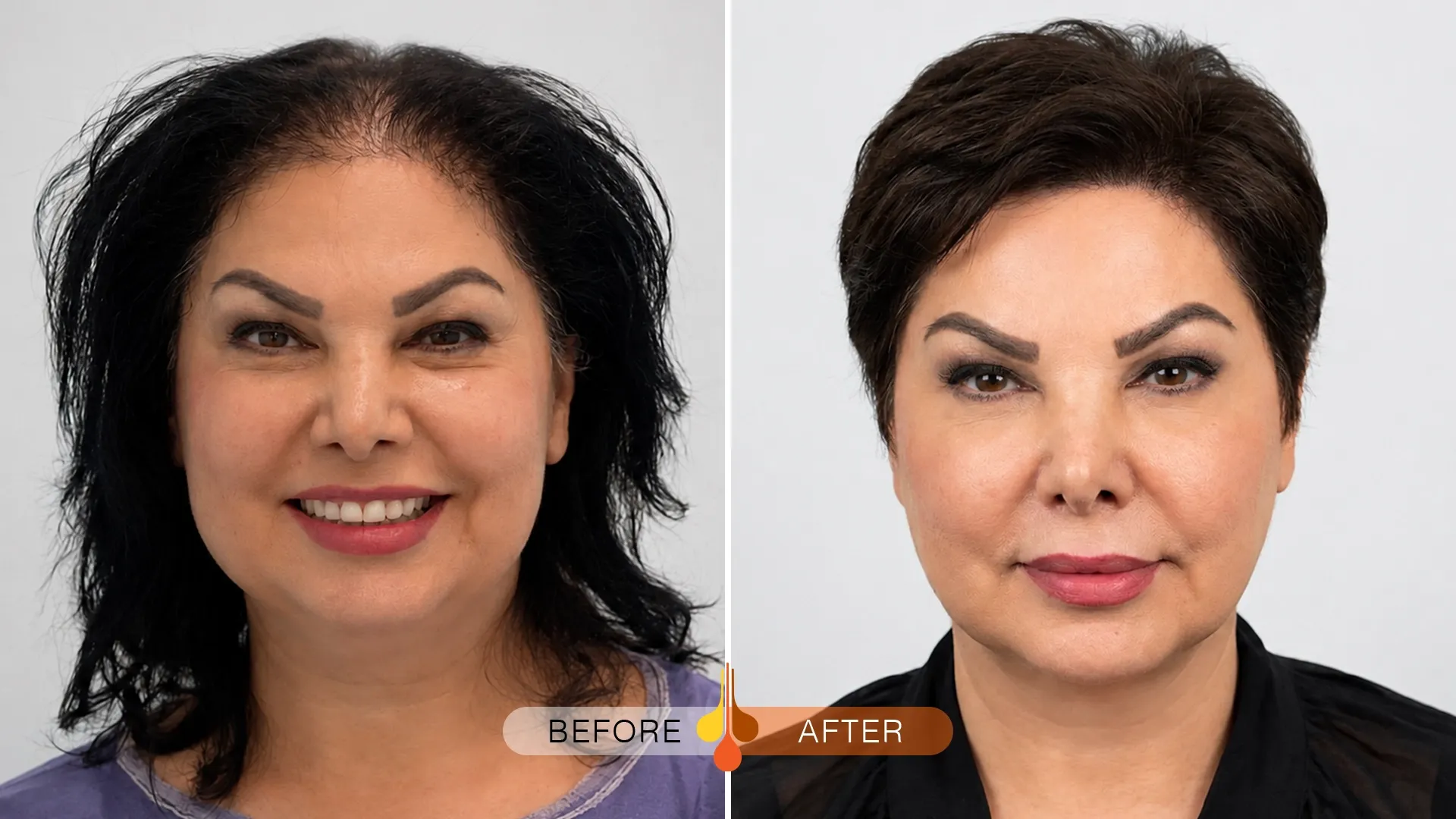
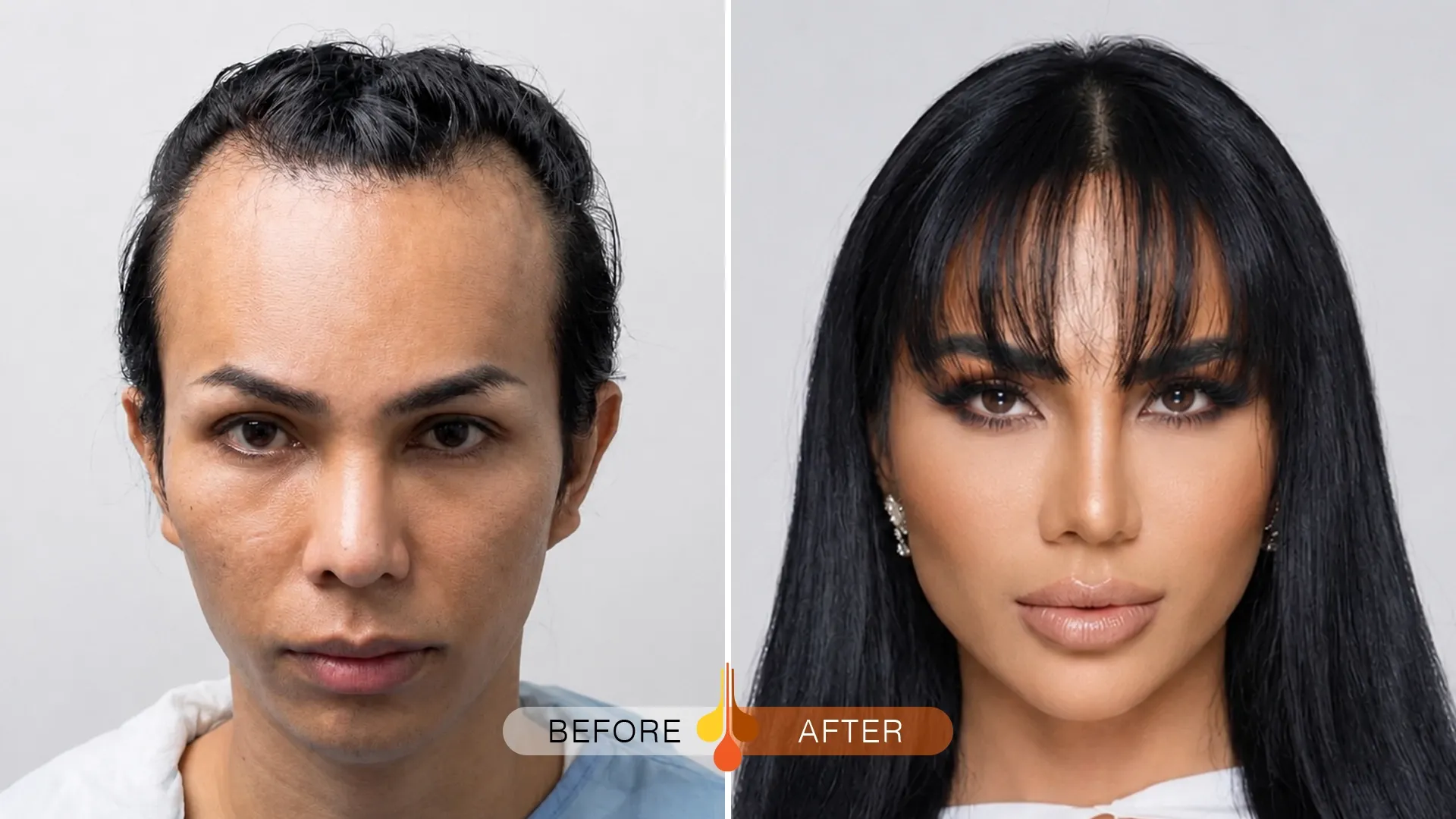
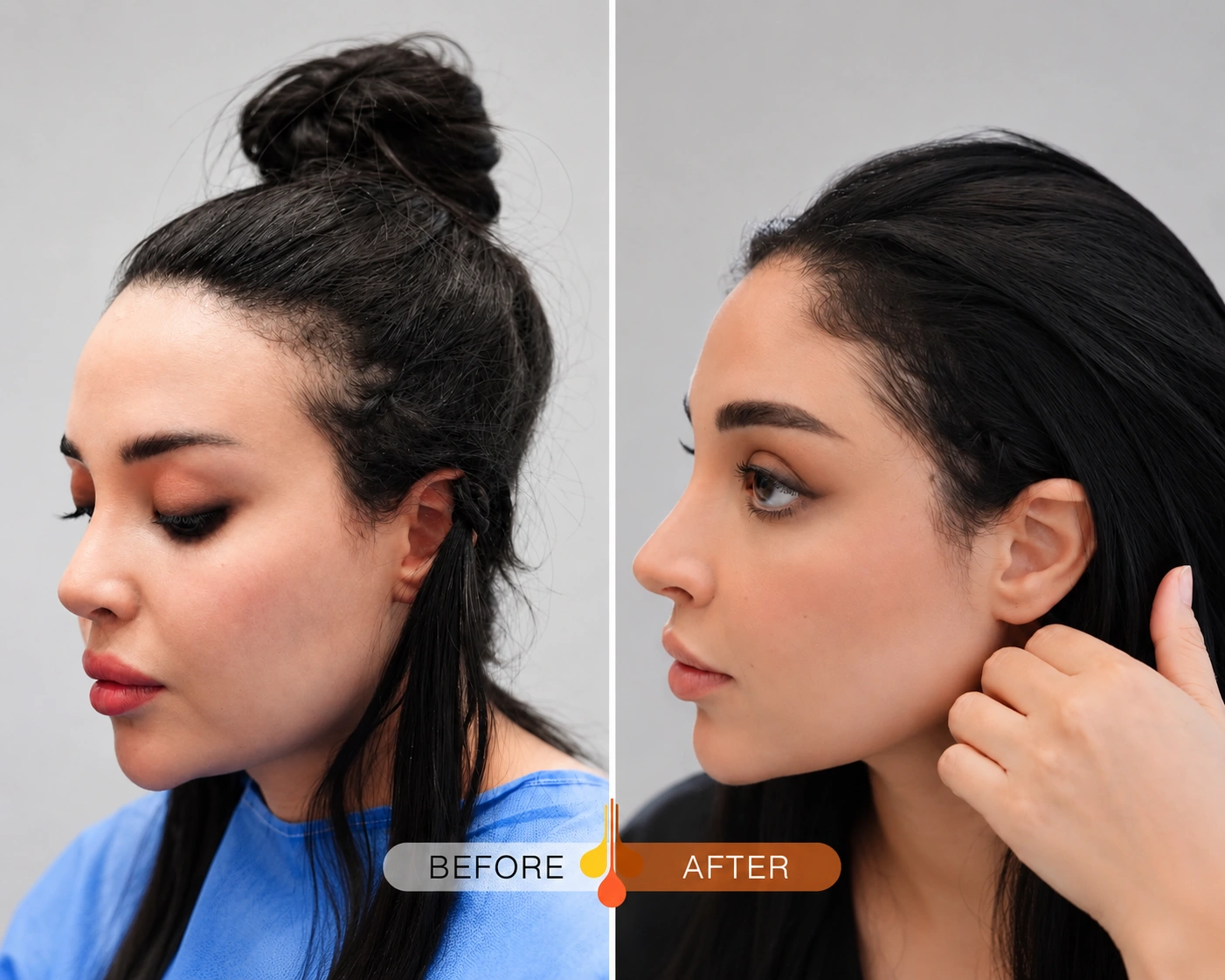
- Proven Results: Look for a clinic that provides before-and-after photos of previous female patients to assess the quality of their work.
- Advanced Techniques: A reputable clinic should offer multiple options like DHI, FUE, and FUT to customize treatments based on your specific hair loss pattern.
- Safety and Hygiene Standards: The clinic should maintain a sterile, state-of-the-art environment with a dedicated focus on patient safety and comfort.
Why Padra Clinic is the Right Choice for You
At Padra Clinic, we understand that female hair restoration requires a tailored approach. We offer:
- A Team of Leading Specialists: Our board-certified surgeons have extensive experience in female-specific hair transplant techniques.
- Non-Shaven Techniques: We specialize in DHI and selective FUE, allowing women to restore their hair without the need for a full head shave.
- Proven Success: With thousands of satisfied patients, we deliver natural, permanent results that enhance confidence and well-being.
Conclusion
Hair implants for women provide a permanent, natural solution to hair loss. Whether you’re dealing with thinning hair, a receding hairline, or bald spots, modern female hair transplant techniques like DHI, FUE, and FUT offer effective restoration without the need for shaving.