


Hair Transplant Graft Calculator
Help us personalize your treatment plan
Hair Transplant Graft Calculator for Accurate Results
Planning a hair transplant starts with knowing how many grafts you need. Our hair transplant graft calculator helps patients and surgeons estimate the optimal number of hair grafts for successful restoration surgery. Get your personalized graft estimate in under 60 seconds. This advanced tool analyzes your balding area size, desired density, and hair characteristics to provide accurate estimates giving you a clear starting point before your consultation.
What is a hair transplant graft calculator?
A hair transplant graft calculator (also called a baldness calculator or FUE cost estimator) is an online assessment tool that helps patients estimate the number of grafts needed for hair restoration.
The calculator analyzes your inputs about hair loss pattern, hair characteristics, and timeline to provide a rough graft estimate. Most calculators require:
- Hair loss pattern (selecting affected areas on a scalp diagram)
- Current hair density in thinning areas
- Hair characteristics (straight, wavy, curly, coily)
- Patient age
- Hair loss duration
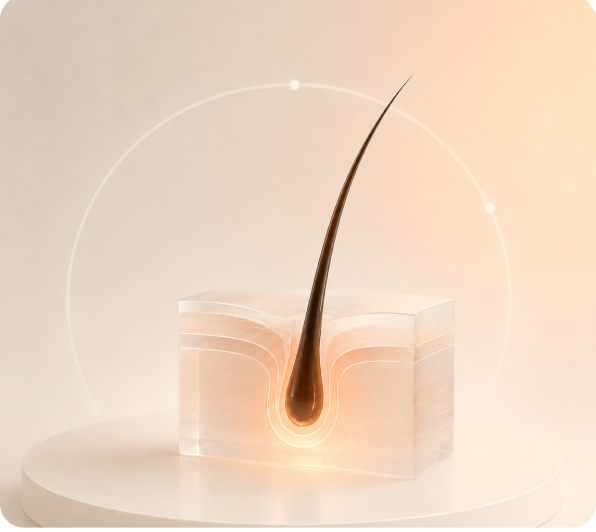
What Is Hair Loss Treatment & Hair Grafts?
Hair loss treatment refers to a range of non-surgical medical therapies designed to slow down hair loss, strengthen existing follicles, and stimulate healthier hair growth. Unlike hair transplantation, these treatments focus on preserving and improving the hair you still have.
At Padra, hair loss treatment is often recommended as a standalone solution in early stages — or as a supportive plan alongside or before a hair transplant.
What Hair Loss Treatments Can Help With:
- Gradual hair thinning
- Early-stage hair loss
- Weak, miniaturised hair follicles
- Reduced hair density
- Shedding caused by stress, hormones, or genetics
- Post-transplant support and maintenance
These treatments work best when hair follicles are still active and capable of responding to stimulation.
Hair Graft Extraction Techniques
Modern hair restoration relies predominantly on Follicular Unit Extraction (FUE) and Direct Hair Implantation (DHI). During FUE, individual follicular units containing 1 to 4 hairs each are meticulously extracted from the donor area using micro-punches. DHI uses specialized implanter pens to control the depth, angle, and direction of every graft with pinpoint accuracy.
How The Graft Calculator Works
The graft calculator evaluates several clinical parameters: your gender, current pattern of thinning or recession, age bracket, hair loss duration, and follicle texture. Combining these inputs produces an estimated range of grafts needed to achieve natural-looking density across your thinning zones.
Interpreting Your Estimate
Calculated estimates provide a reliable initial benchmark for your restoration journey. However, each patient possesses unique donor hair characteristics (density per cm², hair shaft caliber, and curl). A clinical consultation with a Padra surgeon verifies your exact follicle yield and custom hairline design.
Who Is An Ideal Candidate?
Candidates with stable donor hair in the occipital and parietal areas of the scalp are typically ideal for restoration surgery. Those in early stages of thinning may also benefit from regenerative therapies, PRP, or medical management to fortify native follicles.
Causes & Risk Factors
Androgenetic alopecia (pattern hair loss) accounts for over 95% of hair loss in both men and women. It is primarily driven by genetic sensitivity to dihydrotestosterone (DHT). Other contributing factors include lifestyle stress, hormonal shifts, nutritional deficiencies, and mechanical traction.
Selecting The Optimal Treatment Strategy
Your treatment plan is tailored to your hair loss classification. Mild to moderate cases often combine targeted transplantation with supportive medical therapies to preserve non-transplanted follicles and maintain maximum lifelong coverage.
Next Steps Toward Natural Results
Taking the first step with our Graft Calculator gives you a clear vision of what is possible. Book a complimentary assessment with our specialist team to receive a personalized surgical roadmap and exact quote.
What Is Hair Loss Treatment & Hair Grafts?
Hair loss treatment refers to a range of non-surgical medical therapies designed to slow down hair loss, strengthen existing follicles, and stimulate healthier hair growth. Unlike hair transplantation, these treatments focus on preserving and improving the hair you still have.
At Padra, hair loss treatment is often recommended as a standalone solution in early stages — or as a supportive plan alongside or before a hair transplant.
What Hair Loss Treatments Can Help With:
- Gradual hair thinning
- Early-stage hair loss
- Weak, miniaturised hair follicles
- Reduced hair density
- Shedding caused by stress, hormones, or genetics
- Post-transplant support and maintenance
These treatments work best when hair follicles are still active and capable of responding to stimulation.
Hair Graft Extraction Techniques
Modern hair restoration relies predominantly on Follicular Unit Extraction (FUE) and Direct Hair Implantation (DHI). During FUE, individual follicular units containing 1 to 4 hairs each are meticulously extracted from the donor area using micro-punches. DHI uses specialized implanter pens to control the depth, angle, and direction of every graft with pinpoint accuracy.
How The Graft Calculator Works
The graft calculator evaluates several clinical parameters: your gender, current pattern of thinning or recession, age bracket, hair loss duration, and follicle texture. Combining these inputs produces an estimated range of grafts needed to achieve natural-looking density across your thinning zones.
Interpreting Your Estimate
Calculated estimates provide a reliable initial benchmark for your restoration journey. However, each patient possesses unique donor hair characteristics (density per cm², hair shaft caliber, and curl). A clinical consultation with a Padra surgeon verifies your exact follicle yield and custom hairline design.
Who Is An Ideal Candidate?
Candidates with stable donor hair in the occipital and parietal areas of the scalp are typically ideal for restoration surgery. Those in early stages of thinning may also benefit from regenerative therapies, PRP, or medical management to fortify native follicles.
Causes & Risk Factors
Androgenetic alopecia (pattern hair loss) accounts for over 95% of hair loss in both men and women. It is primarily driven by genetic sensitivity to dihydrotestosterone (DHT). Other contributing factors include lifestyle stress, hormonal shifts, nutritional deficiencies, and mechanical traction.
Selecting The Optimal Treatment Strategy
Your treatment plan is tailored to your hair loss classification. Mild to moderate cases often combine targeted transplantation with supportive medical therapies to preserve non-transplanted follicles and maintain maximum lifelong coverage.
Next Steps Toward Natural Results
Taking the first step with our Graft Calculator gives you a clear vision of what is possible. Book a complimentary assessment with our specialist team to receive a personalized surgical roadmap and exact quote.
How to use the Padra graft calculator?
With the Padra Graft Calculator, start by choosing your gender. You'll see different diagrams for Male Pattern Baldness in men and Female Pattern Baldness or Traction Alopecia in women.

For men:
- 01. Choose hair loss areas 1-7 on the diagram. Each number represents a different scalp zone.
- 02. Select the hair loss level for each area: 0%, 30%, 50%, or 100%.
- 03. The diagram updates to represent your individual hair loss pattern.
- 04. Choose your hair texture, age range, and hair loss duration.

For women:
- 01. Choose your hair loss type: Female Pattern Baldness (Ludwig Scale) or Traction Alopecia.
- 02. Select the image that best represents your hair loss severity.
- 03. Choose your hair texture, age range, and hair loss duration.
Tip: Take photos of your scalp under bright, natural light before starting to accurately assess thinning areas.
How to use the Padra graft calculator?
With the MedArt Graft Calculator, start by choosing your gender. You'll see different diagrams for Male Pattern Baldness in men and Female Pattern Baldness or Traction Alopecia in women.