





Advanced Facial Hair Restoration with Clinical Precision
Facial hair has long carried cultural, aesthetic, and personal significance across the Gulf region. In Kuwait, a full and well-defined beard or moustache is often associated with maturity, balance, and refined masculinity. When facial hair grows unevenly, remains sparse, or fails to develop due to genetics, scarring, or hormonal factors, modern facial hair restoration offers a reliable, long-term solution.
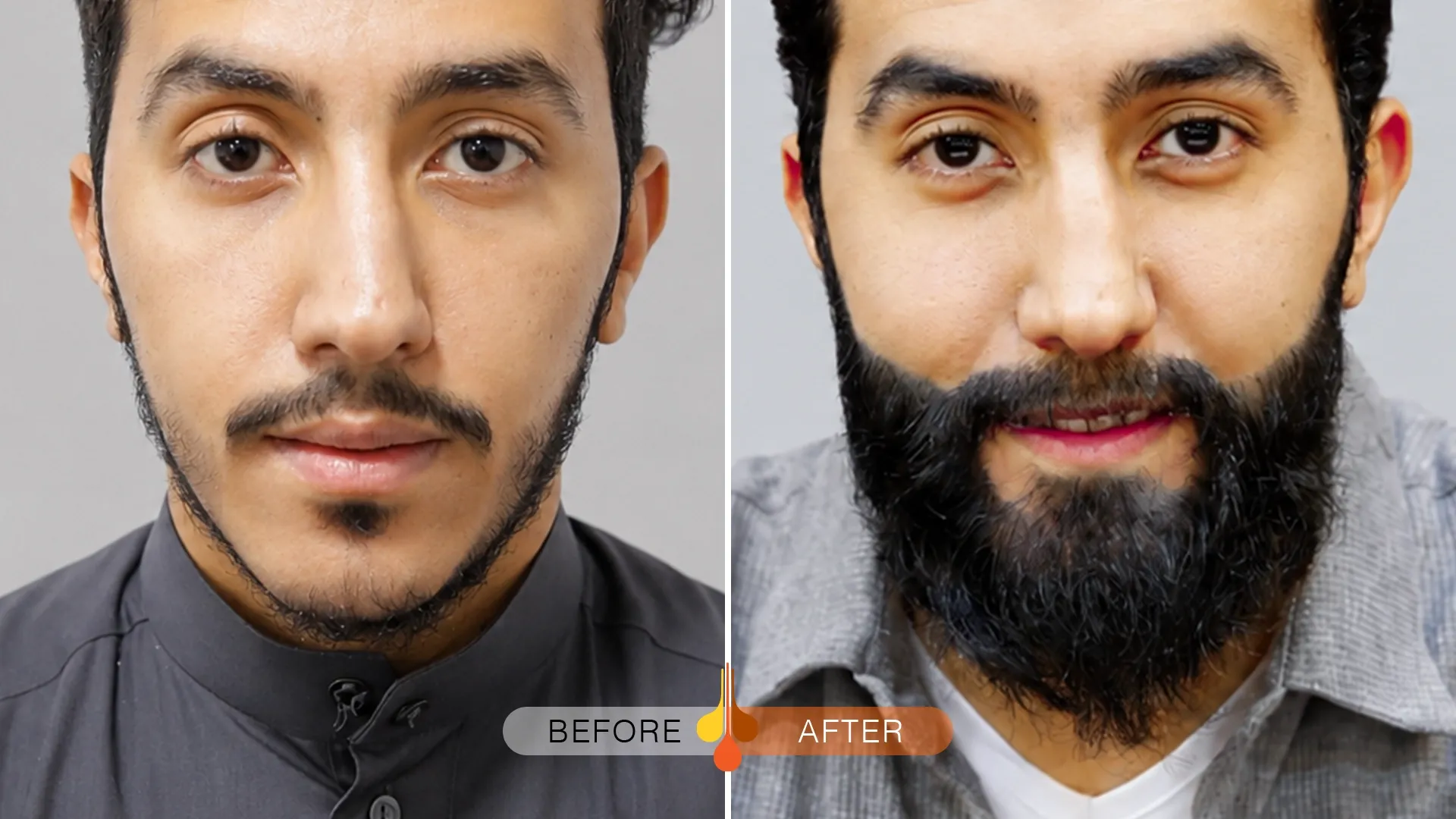
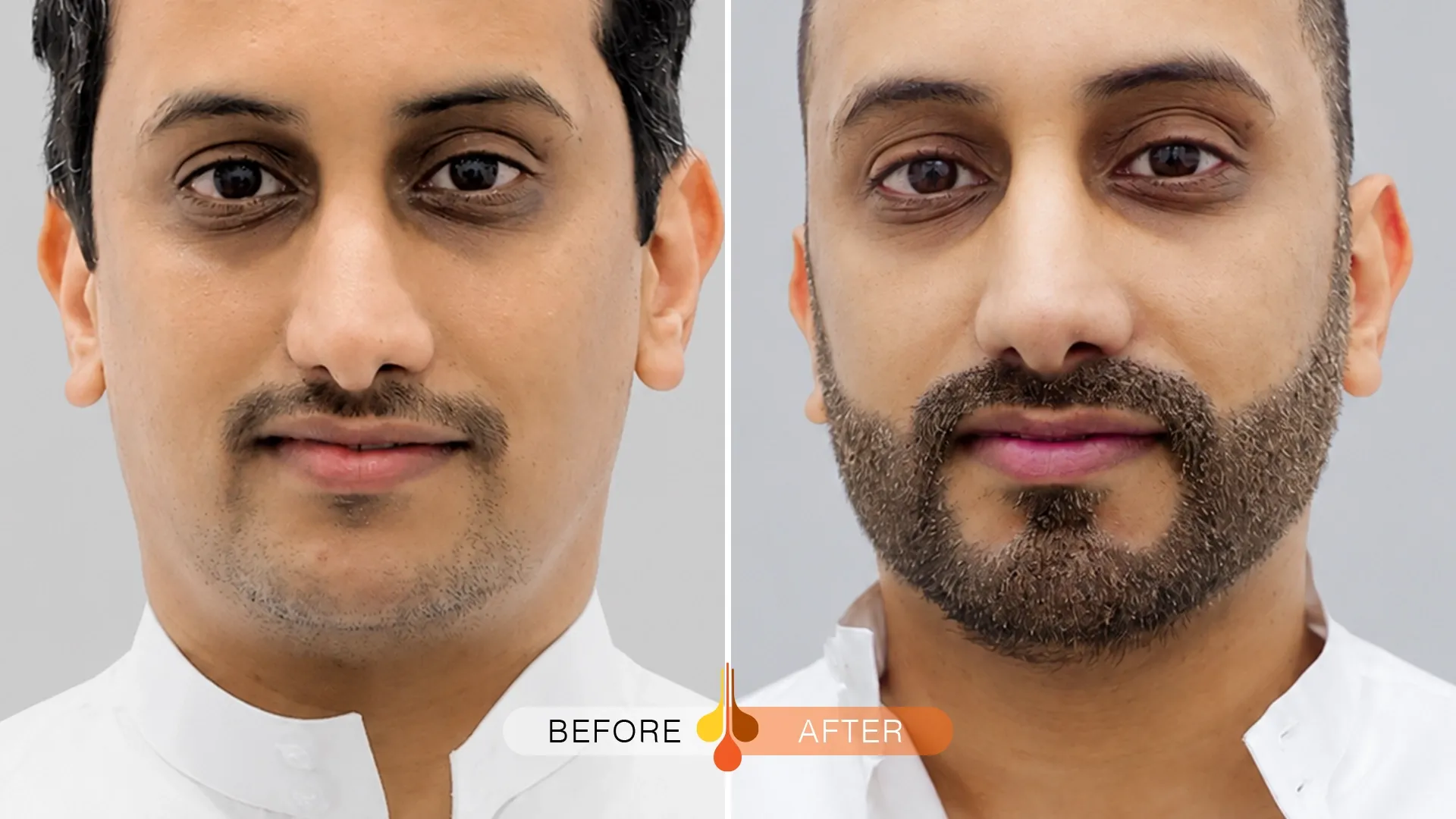
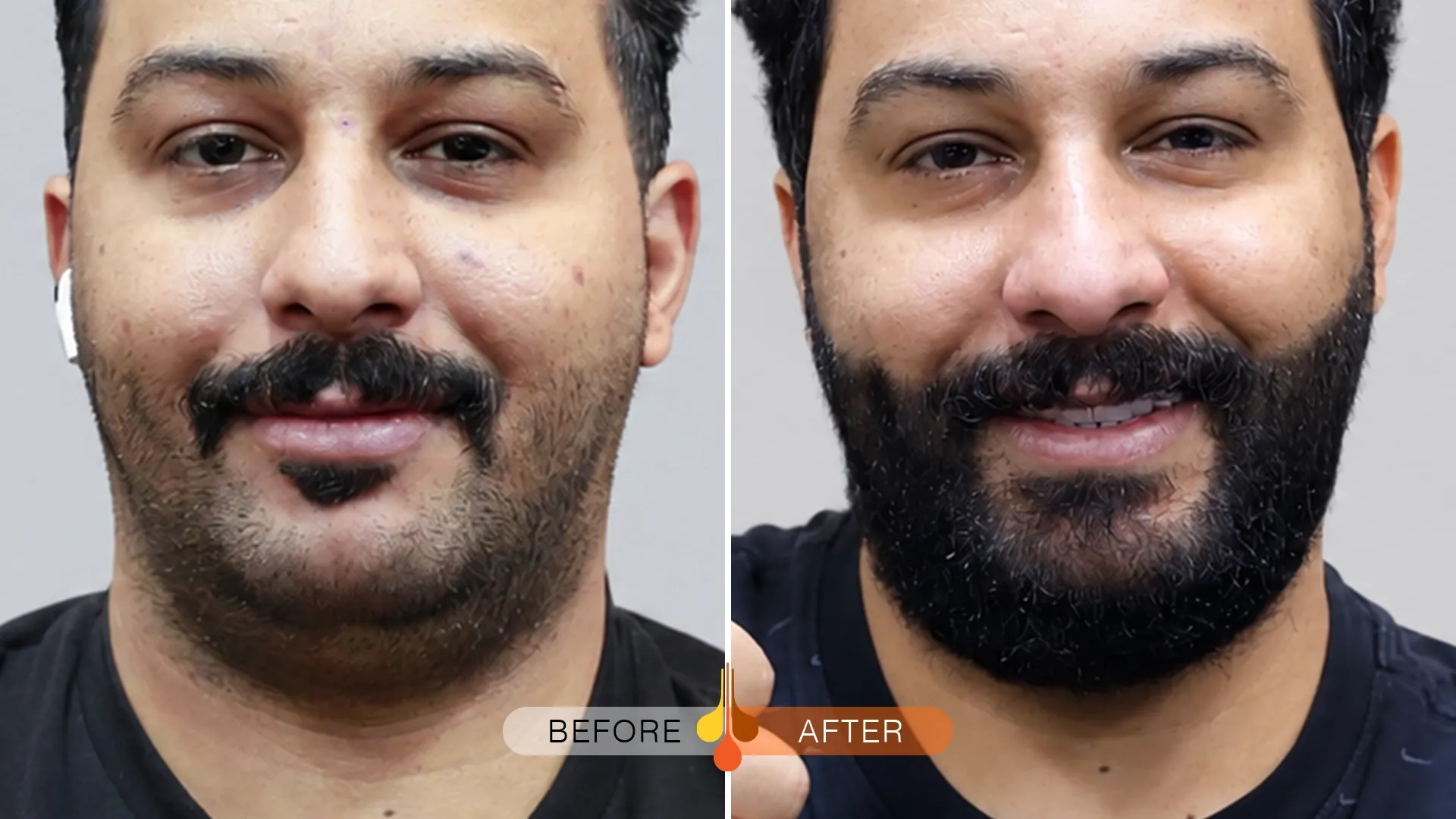
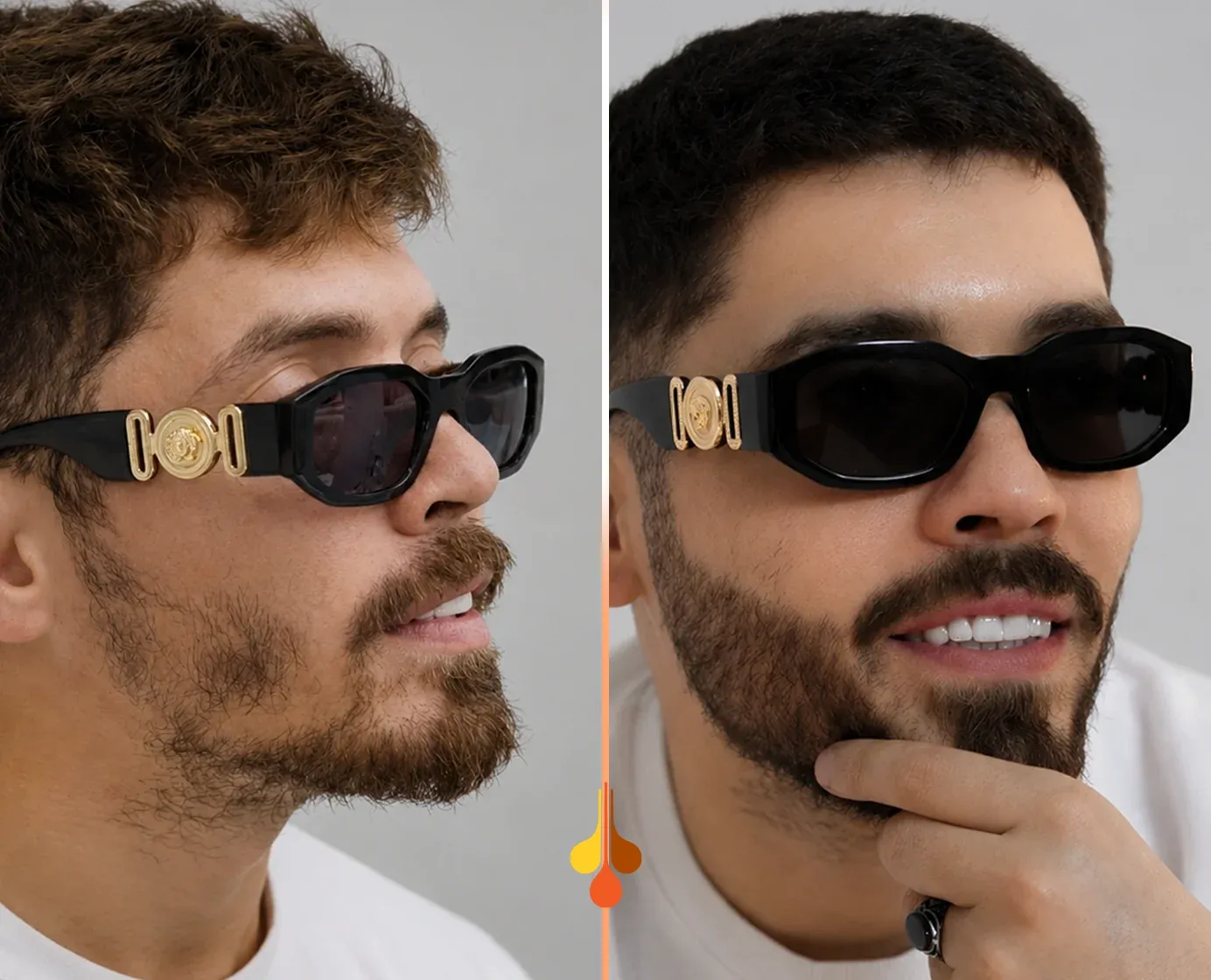
A Beard and Moustache Transplant in Kuwait is designed to restore density and structure using the patient’s own hair follicles. The focus is not on artificial fullness but on recreating natural growth patterns that integrate seamlessly with existing facial hair. At Padra Specialized Center, Kuwait, this process is carried out using the advanced FUE beard transplant technique, adapted specifically for Gulf and Middle Eastern hair characteristics.
Understanding Facial Hair Restoration
Facial hair restoration is a microsurgical procedure that relocates healthy hair follicles from a donor area—most commonly the back of the scalp—to areas of the beard or moustache where growth is weak or absent. Once transplanted, these follicles establish a new blood supply and continue to grow permanently.
Unlike scalp procedures, a facial hair restoration in Kuwait demands exceptional attention to angle, direction, curl, and spacing. The beard grows in multiple directions across the cheeks, jawline, chin, and upper lip. Each graft must be placed individually to follow these natural patterns.
This level of detail is the foundation of a natural beard transplant in Kuwait, where results are subtle, balanced, and indistinguishable from native facial hair.
Why FUE Is the Preferred Technique in Kuwait
The FUE beard transplant Kuwait approach has become the clinical standard for facial hair restoration. Follicular Unit Extraction allows surgeons to harvest individual hair follicles using micro-punch tools, avoiding linear scars and reducing trauma to surrounding tissue.
Key Clinical Advantages of FUE
- Scar-free donor area
No linear incision, making the procedure suitable even for short hairstyles. - Micro-precision implantation
Each follicle is placed at a controlled depth and angle. - Natural density control
Density is built gradually to match facial zones rather than appearing uniform. - Faster recovery
Most patients resume routine activities within days. - Permanent results
Once growth stabilizes, transplanted hair behaves like natural facial hair.
This technique is particularly effective for men seeking a scar-free beard transplant technique with realistic texture and long-term reliability.
Localized Expertise at Padra Specialized Center, Kuwait
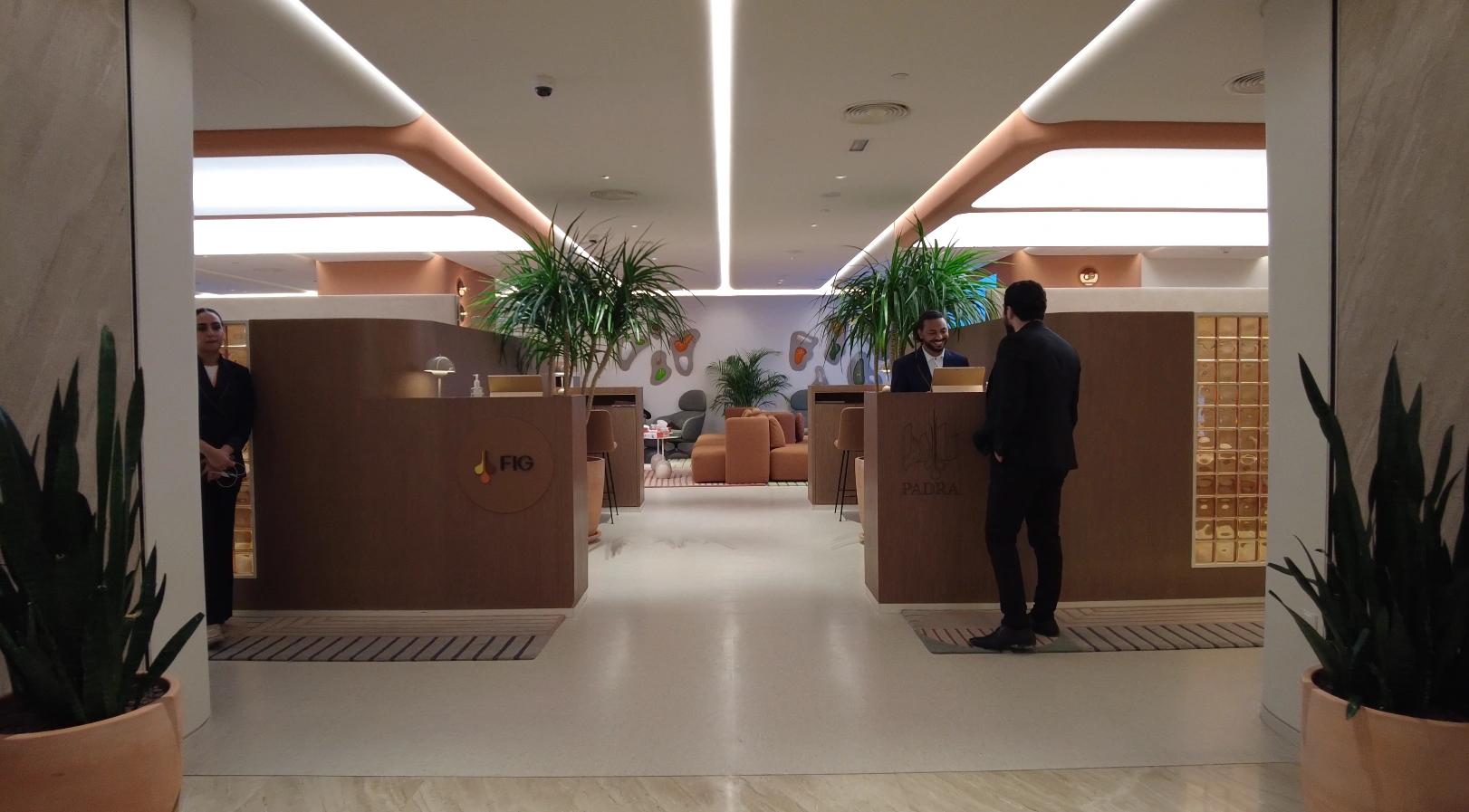
Padra Specialized Center, Kuwait, operates with MOH-licensed specialists and a clinical team experienced in Gulf facial hair patterns. The center focuses exclusively on modern FUE techniques and avoids outdated strip or hybrid methods.
Clinical Focus Areas
- Beard transplant in Kuwait City with local follow-up
- Custom beard and moustache design
- Arabic and English patient support
- One-year post-procedure monitoring
- Techniques adapted for thick, curly, and coarse hair types
Local presence ensures continuity of care, which is essential for monitoring growth phases and managing long-term results.
Common Reasons for Seeking a Beard or Moustache Transplant
Facial hair loss or uneven growth can stem from several factors. A beard hair transplant in Kuwait City may address:
- Genetic patchiness or thin beard growth
- Scars from injury, surgery, or burns
- Asymmetrical moustache or beard lines
- Incomplete beard development after puberty
- Desire for enhanced jawline definition
Each case requires a personalized graft plan based on donor strength, facial structure, and desired density.
Procedure Overview: From Planning to Completion
A same-day beard transplant procedure typically follows a structured clinical flow designed for safety, precision, and comfort.
Procedural Stages
- Assessment and mapping
Facial zones are evaluated and marked according to natural growth patterns. - Donor extraction
Individual follicles are harvested using micro-extraction tools. - Graft preparation
Follicles are sorted by thickness and curl for optimal placement. - Implantation
Each graft is placed following exact angles and directions.
The entire process usually lasts between 6 and 8 hours, depending on the number of grafts required.
Beard Transplant vs. Scalp Hair Transplant
Although both procedures use similar extraction methods, facial hair restoration is more delicate.
|
Aspect |
Beard Transplant | Scalp Transplant |
|
Skin sensitivity |
High | Moderate |
| Surface area | Limited |
Large |
|
Angle precision |
Extremely critical | Important |
| Curl variation | High |
Moderate |
| Visual impact of errors | Immediate |
Gradual |
This difference explains why facial hair restoration requires specialized experience rather than generalized hair transplant skills.
Healing and Recovery Phases
Recovery after a beard transplant in Kuwait follows predictable stages. Initial redness and mild swelling are normal and temporary.
Early Recovery Highlights
- Small scabs form around grafts and shed naturally
- Mild tightness or sensitivity may occur
- The donor area heals quickly without visible scarring
Most individuals return to daily routines within one to two days, making the procedure compatible with professional schedules.
Growth Timeline and Visual Maturation
Facial hair growth progresses gradually and requires patience.
- First weeks: transplanted hairs shed as follicles enter rest phase
- 3–4 months: early regrowth becomes visible
- 6 months: density increases and texture develops
- 8–12 months: final results stabilize
By this stage, the outcome reflects permanent beard hair transplant results, suitable for trimming, shaving, and styling.
Natural Design Principles in Beard Restoration
A successful natural beard transplant in Kuwait relies on subtle design rather than exaggerated density.
Design Elements Considered
- Natural hair flows on the cheeks and jaw
- Gradual density transitions
- Soft beard borders rather than sharp lines
- Balanced moustache-to-beard connection
These principles ensure the beard integrates naturally with facial expressions and aging patterns.
Pre- and Post-Procedure Care Overview
Pre-Procedure Considerations
- Temporary pause in smoking
- Medical review of blood-thinning medications
- Donor area evaluation and scalp hygiene
Post-Procedure Care Essentials
- Minimal face contact during early healing
- Elevated sleeping position
- Avoidance of sun, gym, and shaving for 10–14 days
- Use of prescribed spray and gentle shampoo
Structured aftercare supports graft survival and even regrowth.
Long-Term Outlook and Maintenance
Once growth stabilizes, transplanted facial hair requires no special treatment beyond routine grooming. The hair responds naturally to shaving, trimming, and styling preferences.
Periodic clinical follow-ups during the first year allow monitoring of density and direction. After this phase, maintenance is no different from natural beard care.
Why Local Treatment Matters
Choosing a beard transplant clinic in Kuwait City offers advantages beyond convenience.
- In-person follow-up visits
- Familiarity with regional hair characteristics
- No reliance on fly-in surgical teams
- Long-term continuity of care
Local availability ensures that any adjustments or evaluations can be addressed promptly.
Precision Matters: The Micro-Detail Behind Natural Outcomes
Facial hair restoration is often described as a surgical procedure, but in practice, it sits between medicine and design. The beard is not a single uniform area—it is a collection of zones, each with its own direction, thickness, and density expectations.
A successful facial hair transplant procedure depends on understanding these zones:
- The cheeks require softer, feathered density
- The jawline needs stronger definition
- The chin carries a heavier follicle concentration
- The moustache demands extremely fine angle control
Even slight differences in graft placement can change how the beard looks in daylight, in profile, or when trimmed. That is why the FUE beard transplant technique is considered the safest and most precise method for facial restoration.
Density Planning: Why “More Grafts” Is Not Always Better
One of the most overlooked clinical points in beard restoration is density balance. Natural beards are not evenly thick everywhere. Instead, they develop in layers.
A well-executed beard transplant in Kuwait avoids unnatural uniformity by using:
- Gradual density build-up
- Strategic spacing between grafts
- Multi-stage layering for realism
- Matching follicle thickness to facial zones
This approach creates results that feel organic rather than “implanted.”
Density Zones Often Used in Custom Beard Design
|
Facial Area |
Typical Density Goal | Visual Purpose |
| Upper cheeks | Light–medium |
Soft transition |
|
Mid cheeks |
Medium | Natural fill |
| Jawline | Medium–high |
Masculine definition |
|
Chin |
High | Anchor and fullness |
| Moustache | Medium |
Detail and symmetry |
This is where custom beard design becomes more than aesthetics—it becomes surgical planning.
Scar Coverage and Reconstruction
One of the most meaningful applications of a beard hair transplant in Kuwait City is scar restoration.
Scars from:
- Accidents
- Burns
- Past surgeries
- Childhood injuries
often prevents hair from growing naturally. Transplanting follicles into scar tissue requires experience because the blood supply can differ from that of normal skin.
Using micro-extraction and controlled implantation, a scar-free beard transplant technique can rebuild facial hair even in complex areas, restoring both coverage and confidence.
Moustache Transplant: A More Delicate Category
A moustache transplant in Kuwait is often more technically demanding than a beard transplant. The upper lip area is smaller, more sensitive, and highly visible.
Key challenges include:
- Limited space for graft placement
- Extremely fine angle requirements
- Higher risk of visible irregularities
- Need for symmetry across the lip line
When performed correctly, the result blends naturally with existing moustache hair and can be shaped or shaved as desired once mature.
Cultural and Regional Hair Characteristics in Kuwait
Facial hair in Kuwait often differs from European or East Asian hair types. Middle Eastern hair tends to be:
- Thicker in diameter
- More curved or wavy
- Denser in follicle structure
- Darker in pigmentation
These characteristics influence extraction, graft preparation, and implantation depth.
At Padra Specialized Center, Kuwait, treatment planning reflects these regional traits, supporting outcomes that align with local beard aesthetics and growth patterns.
This is one reason why choosing a beard transplant clinic in Kuwait City with Gulf experience matters.
Long-Term Beard Behavior After Transplant
Once established, transplanted facial hair behaves like natural beard hair.
Over time, it can be:
- Trimmed close or kept full
- Styled into defined shapes
- Allowed to grow naturally
- Shaved completely without loss
The follicles remain permanent, which is why many consider the procedure a lifetime investment rather than a temporary cosmetic fix.
These are the foundations of permanent beard hair transplant results.
The Role of Follow-Up Care in Kuwait
A transplant does not end when the procedure finishes. Healing, regrowth, and maturation occur over months.
Local follow-up provides:
- Monitoring of early healing
- Support during shedding phases
- Guidance on grooming timelines
- Evaluation of density progression
Padra’s one-year local follow-up structure is especially valuable compared with fly-in surgical models, where post-procedure care may be limited.
This continuity is a key advantage of undergoing a beard transplant in Kuwait City rather than abroad.
Comfort, Safety, and Clinical Environment
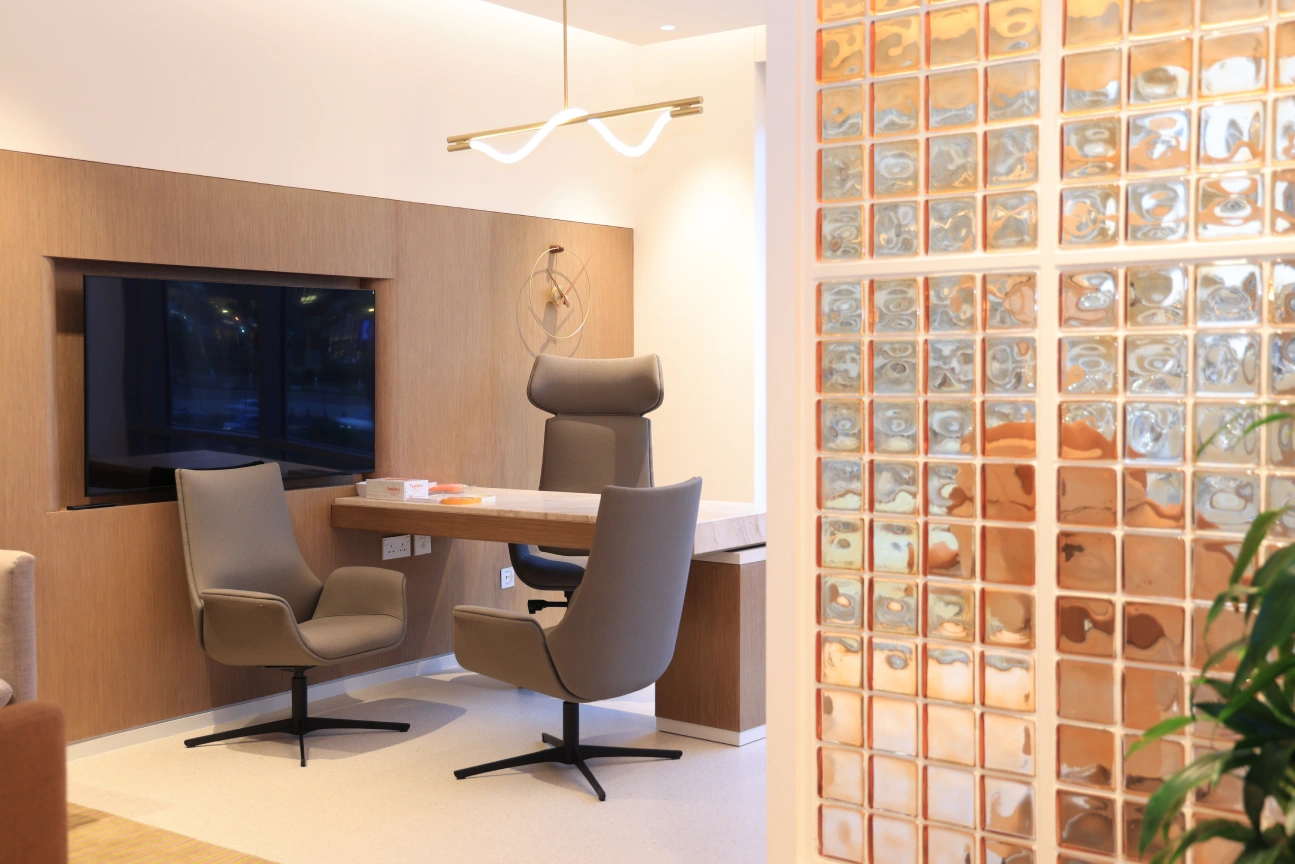
The procedure is performed under local anesthesia, meaning patients remain comfortable without general sedation.
Most report:
- Minimal discomfort during surgery
- Mild soreness in the early days
- Temporary redness or swelling
- Rapid return to normal routine
With modern FUE tools, the donor area heals quickly and does not leave a noticeable scar line, reinforcing the appeal of a scar-free beard transplant technique.
Aesthetic Outcomes: Subtle Masculinity Rather Than Artificial Fullness
The goal of modern facial restoration is not exaggerated density. The goal is authenticity.
A refined natural beard transplant in Kuwait should:
- Blend seamlessly into existing hair
- Follow a realistic growth direction
- Look natural in different lighting
- Age appropriately over time
The best outcomes often appear unremarkable in the sense that they look completely native.
That subtlety is the hallmark of advanced facial hair restoration.
Key Highlights of Beard & Moustache Transplant in Kuwait
- Advanced FUE beard transplant Kuwait method
- Local MOH-licensed specialists
- Natural density tailored for Gulf facial features
- Same-day procedure with minimal downtime
- Long-term growth that can be shaved and styled
- Custom beard and moustache design rather than templates
- Trusted care at Padra Specialized Center, Kuwait
Closing Perspective
A Beard and Moustache Transplant in Kuwait represents more than cosmetic enhancement. It is a clinical restoration of natural facial structure, balance, and identity.
With precise FUE implantation, customized design, and local follow-up care, facial hair restoration becomes a permanent and natural solution for men seeking fuller coverage, improved symmetry, or scar reconstruction.
At Padra Specialized Center, Kuwait, the focus remains on medical precision, subtle aesthetics, and results that feel authentic—not artificial—through every stage of growth.