



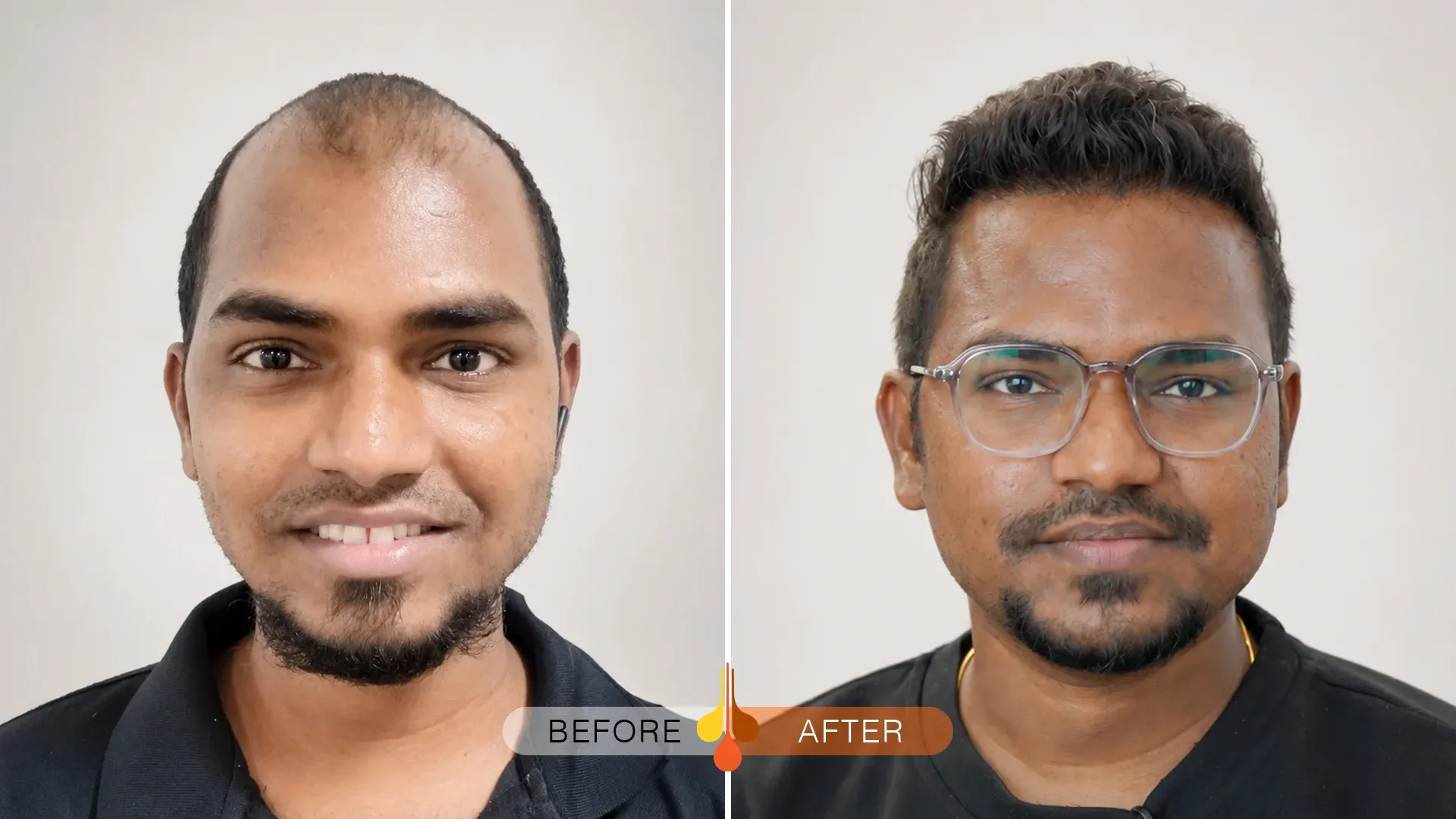
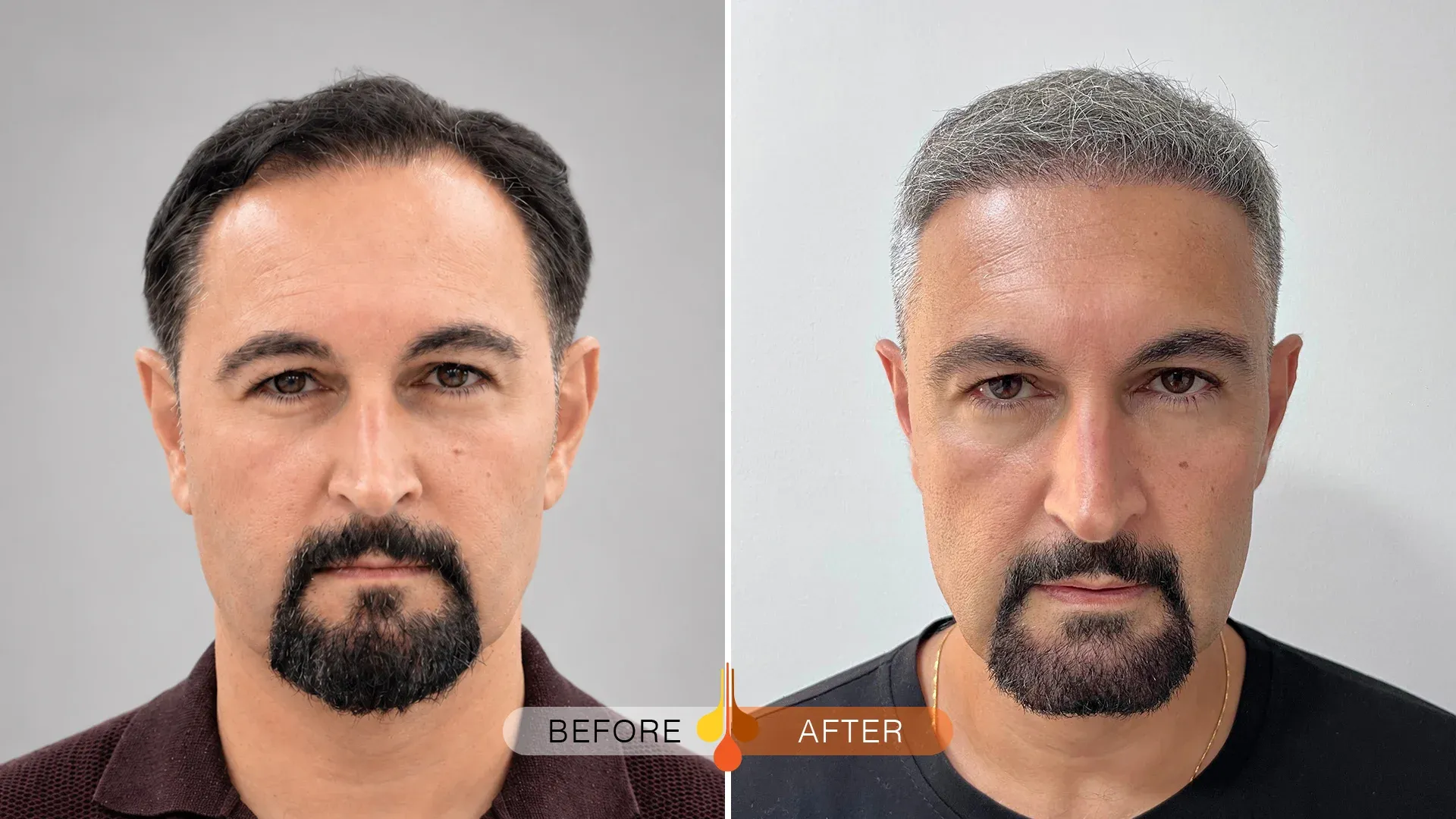
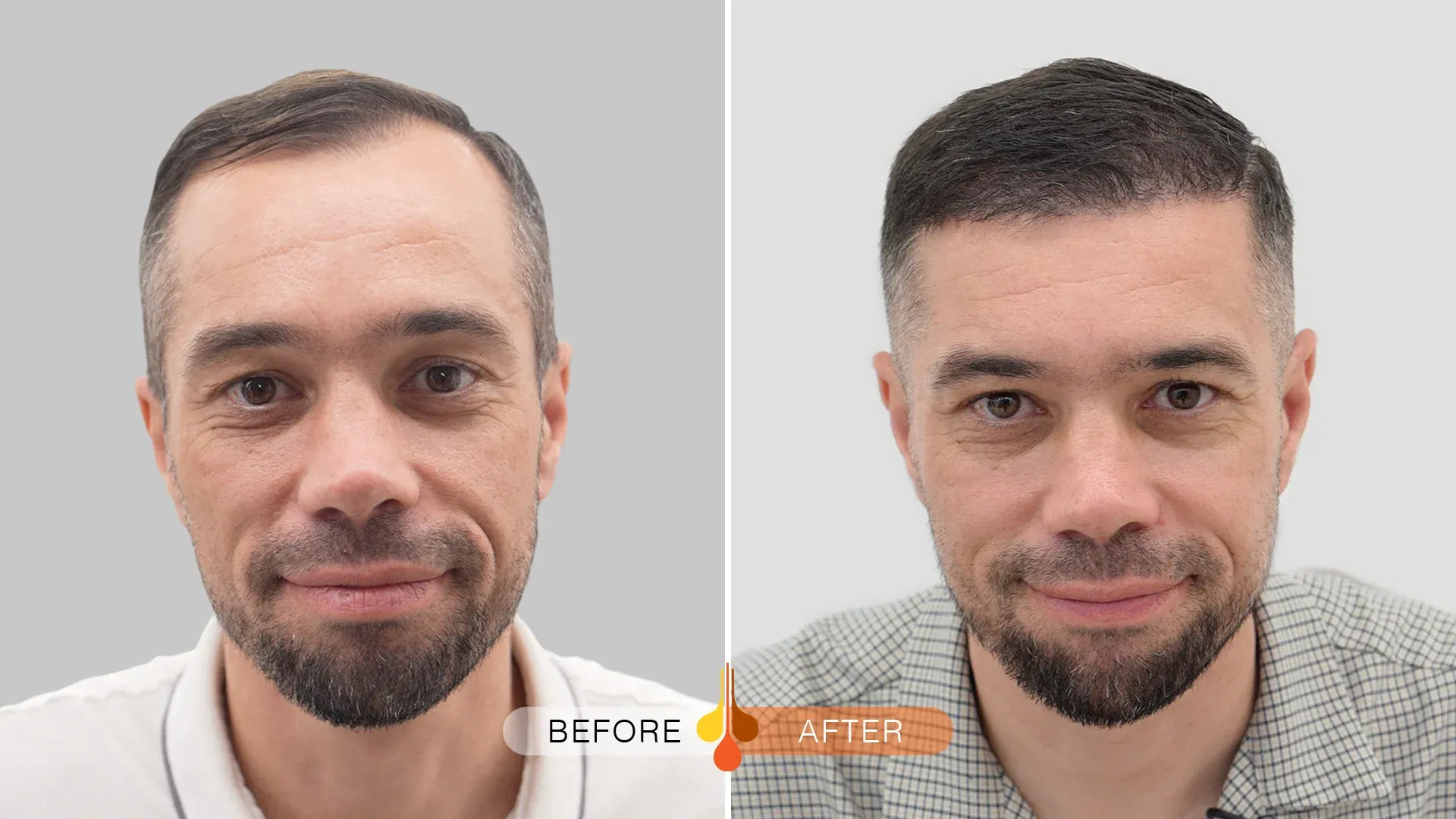
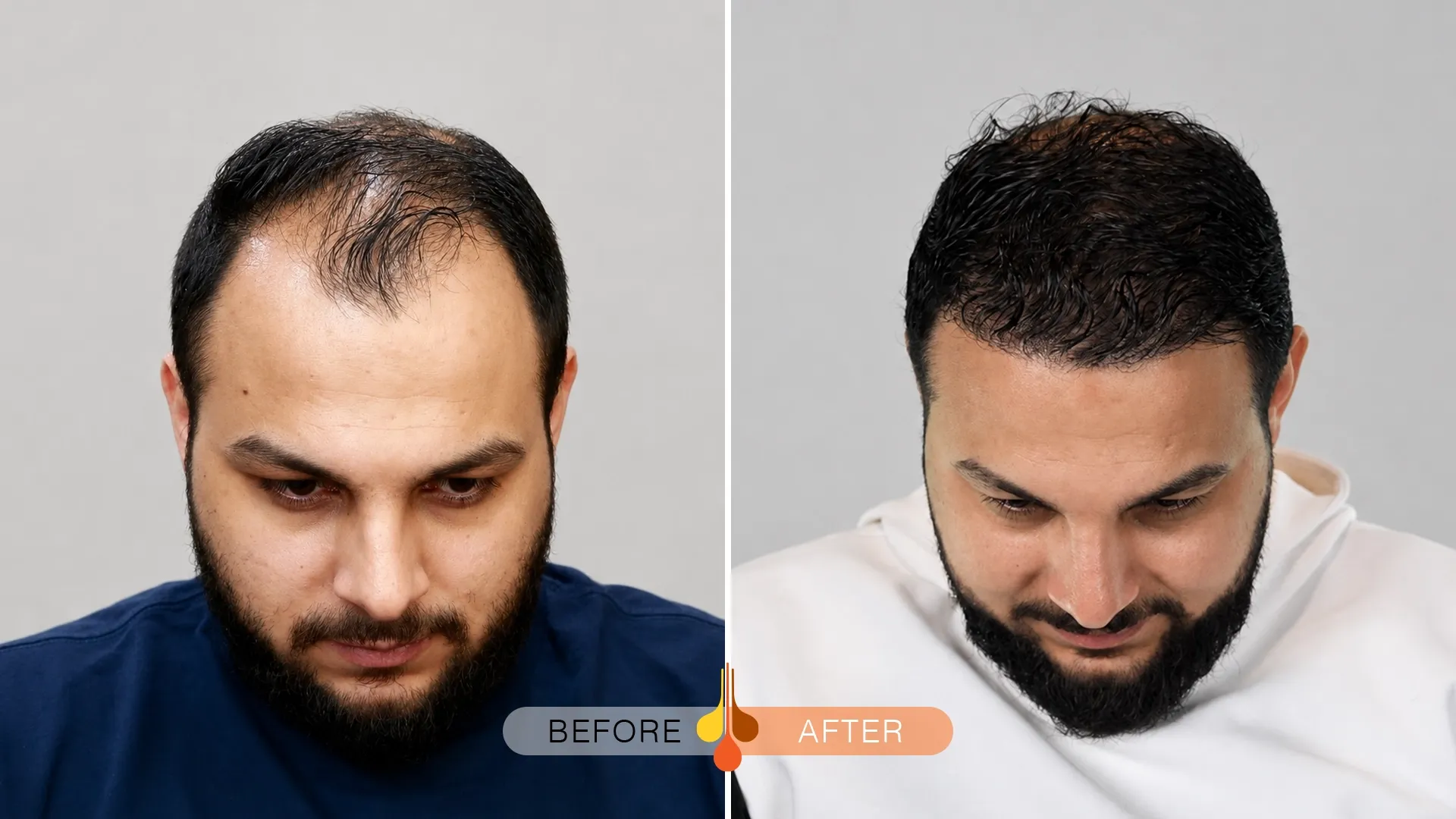


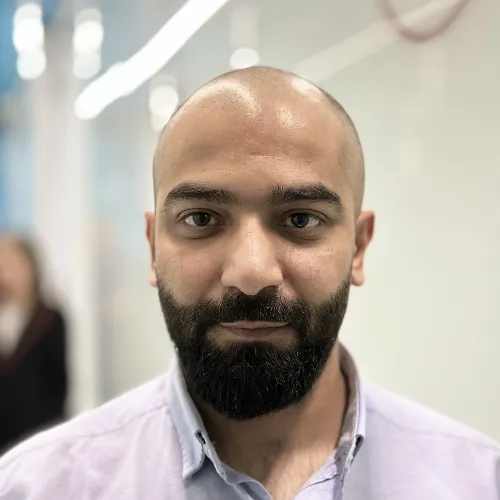
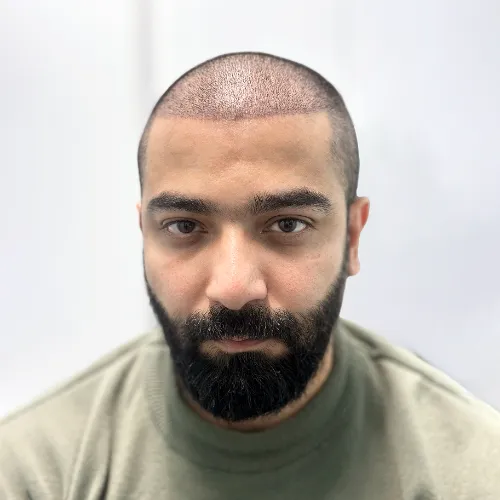
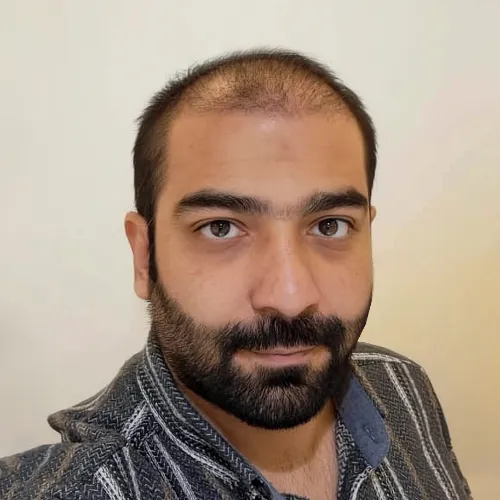
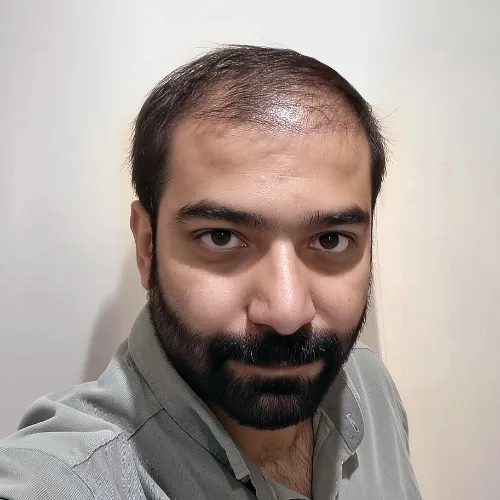
The Most Popular Hair Transplant Techniques in Riyadh
Hair transplant in Saudi Arabia at Modern clinics in Riyadh offers several advanced techniques for restoring hair density, each suited to different levels of hair loss and patient needs. At Padra Riyadh, we specialize in FUE, recognized globally as the gold standard for modern hair transplantation.
- FUE (Follicular Unit Extraction): The most advanced and widely preferred method today. Individual follicles are extracted and implanted one by one, avoiding stitches and linear scars. Healing is quick, results are natural, and discomfort is minimal. FUE allows precise placement and higher density, Padra’s technique of choice for consistent, refined outcomes.
- FUT (Follicular Unit Transplantation): Sometimes called the strip method, this traditional technique involves removing a thin strip of scalp from the donor area to harvest grafts. It can be efficient for large sessions, but leaves a linear scar and requires longer recovery, which is why modern clinics now favor FUE for most cases.
- DHI (Direct Hair Implantation): A specialized method using an implanter pen to place grafts directly into the scalp. It offers control over angle and direction. While it can be more expensive, the difference in results and advantages often does not justify the higher price compared to FUE.
Each method can deliver excellent results when performed by skilled surgeons, but FUE remains the benchmark for natural density, comfort, and recovery time, making it the preferred approach at Padra Riyadh.
Recovery, Aftercare & Hair Growth Timeline
Your post-transplant journey is just as important as the procedure itself. This stage focuses on healing, graft protection, and guided regrowth under continuous supervision from Padra’s medical team. The following is an overview of your recovery process.
Week 1–2: Healing and Initial Care
The first days after surgery focus on recovery. Mild redness and swelling are normal as grafts settle into the scalp. Patients should sleep with their head elevated, avoid touching or washing the area until instructed, and use only the clinic-provided spray and shampoo. The first wash is performed at Padra Riyadh under medical supervision.
Care Tips:
- Avoid direct sun exposure and heat for at least 10 days, and always wear a loose hat outdoors.
- Sleep on your back with a neck pillow to minimize swelling and protect grafts from pressure or friction.
- Use only the medicated spray and gentle shampoo provided by the clinic; rinse carefully with lukewarm water.
- Keep the scalp clean and hydrated, following each step of the clinic’s cleaning and medication routine exactly as instructed.
- Avoid bending forward or intense physical activity for the first week to prevent increased blood flow and swelling.
Month 1–2: Shedding Phase
During this period, the transplanted hairs naturally shed, a normal part of the cycle. The follicles enter a resting phase before regrowth begins. Some itching or flaking can occur, but should resolve with proper scalp care and hydration.
Care Tips:
- Continue gentle washing using the recommended products.
- Do not scratch or pick at scabs.
- Avoid swimming pools, saunas, and heavy workouts.
Month 3–4: Dormant Stage
The follicles remain beneath the scalp, developing new roots. Although growth isn’t visible yet, this stage is critical for strong follicle anchoring. Patients should continue to protect the scalp from excessive sunlight and dryness.
Care Tips:
- Use light, breathable headwear outdoors.
- Maintain a balanced diet rich in protein and vitamins.
- Consider PRP or supportive treatments recommended by your surgeon.
Month 5–9: Visible Growth
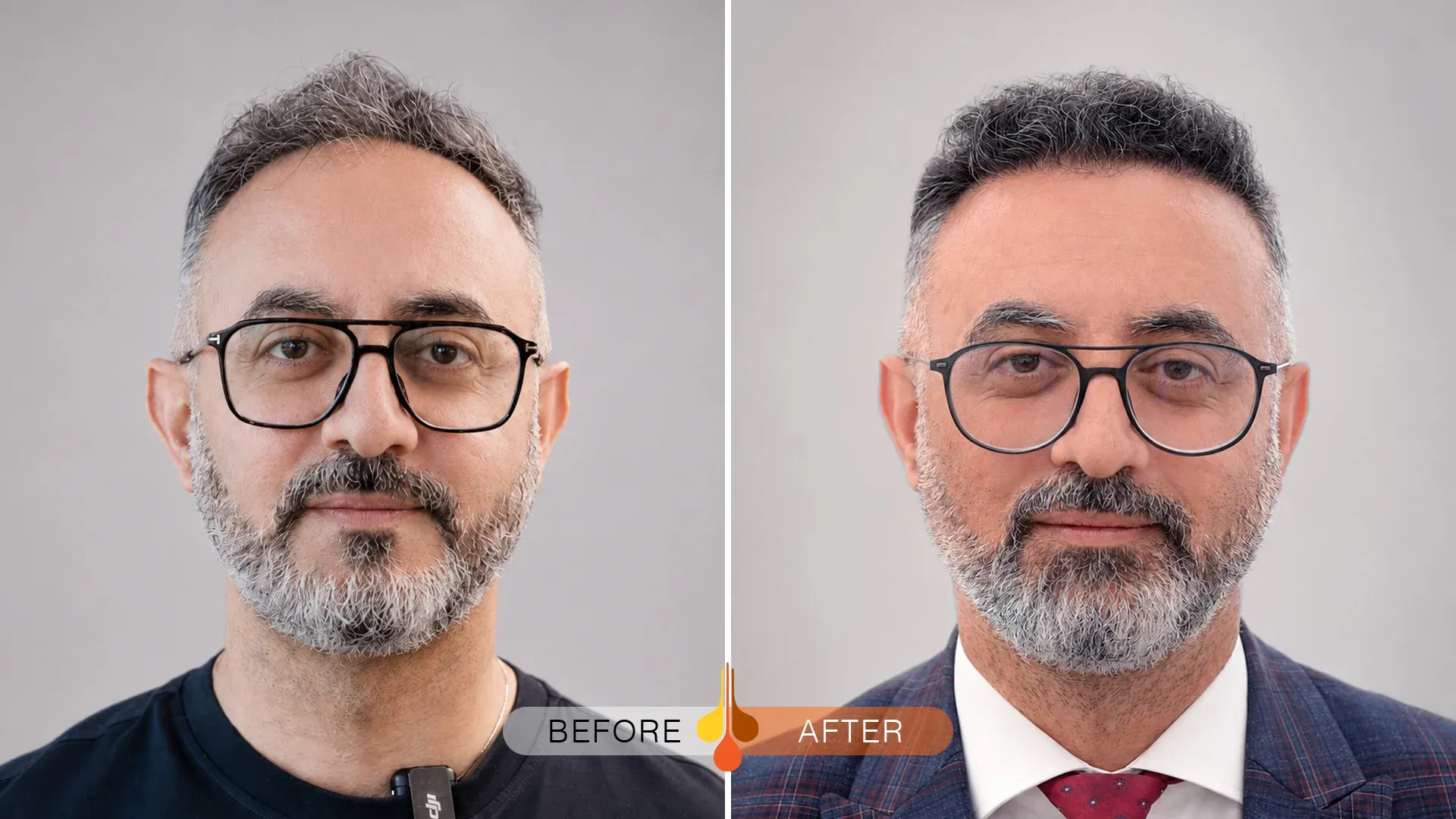
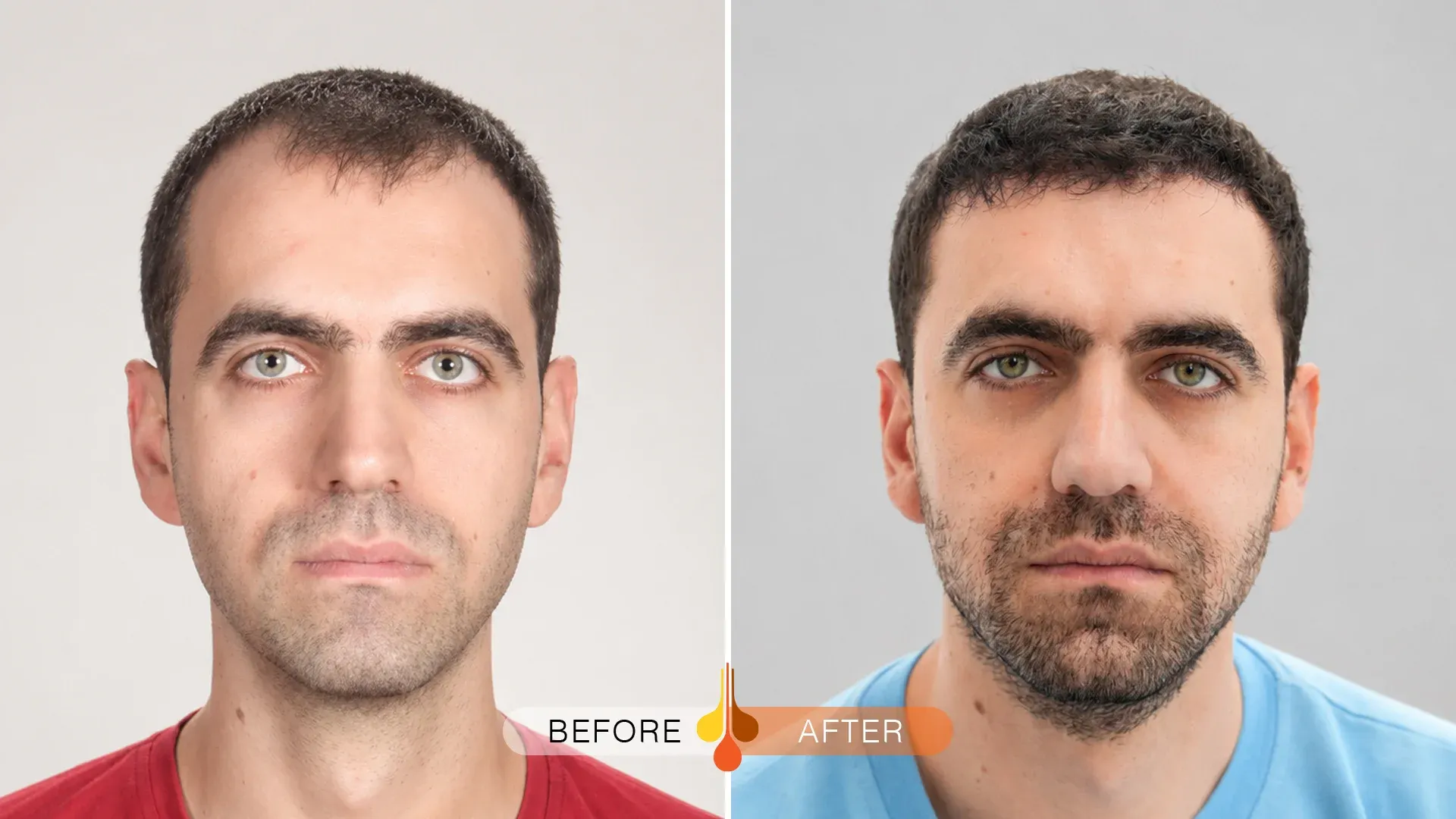
New hairs begin to emerge, initially thin and soft, then gradually thicken. Density and coverage noticeably improve, giving shape to the final hairline. Consistent aftercare and patience are key during this exciting stage.
Care Tips:
- Continue mild scalp massages to stimulate blood flow.
- Attend follow-up appointments for growth monitoring.
- Avoid harsh chemical treatments or dyes.
Month 10–12: Final Results
By the one-year mark, most patients see full coverage and natural density. The transplanted hair behaves like normal hair; it can be washed, styled, and trimmed. Padra Riyadh’s team provides final assessments and styling advice to maintain long-term results.
Care Tips:
- Schedule your one-year review at Padra Riyadh.
- Maintain regular scalp hygiene and healthy lifestyle habits.
- Optional PRP sessions can further strengthen your new hair.
Supplementary Hair Restoration Treatments at Padra Riyadh
In addition to surgical hair transplantation, Padra Riyadh offers a range of advanced post-transplant therapies designed to enhance healing, stimulate regrowth, and strengthen results:
- LLLT (Low-Level Laser Therapy): A clinically proven, non-invasive treatment that uses low-intensity light to stimulate follicle activity, improve scalp blood flow, and boost metabolism within the cells. It enhances oxygen delivery to grafts, supports faster healing, and helps maintain long-term follicle vitality.
- Fotona Laser Rejuvenation: Utilizes advanced laser wavelengths to trigger collagen production and scalp rejuvenation, improving texture, tone, and elasticity. This therapy complements FUE results by strengthening the surrounding tissue and promoting balanced skin regeneration.
- PRP (Platelet-Rich Plasma) Therapy: Harnesses your body’s own plasma to deliver concentrated growth factors directly to the scalp. These biological stimulants accelerate wound healing, minimize inflammation, and enhance new hair growth in both transplanted and native follicles.
- Hair Mesotherapy: A customized treatment involving microinjections of vitamins, amino acids, and nutrients directly into the scalp. It deeply nourishes follicles, strengthens the hair shaft, and improves density, particularly in areas prone to thinning or delayed regrowth.
Each of these treatments complements your transplant results and is customized according to your hair type and recovery stage, ensuring you achieve thicker, healthier, and longer-lasting outcomes with Padra Riyadh.
Possible Side Effects and Complications
While modern techniques have significantly reduced risks, hair transplantation remains a medical procedure that requires proper care and monitoring. Temporary swelling, redness, or mild itching may appear during the first few days and usually resolve with proper aftercare.
Possible Complications:
- Minor infection at the graft or donor site (rare and easily treated)
- Uneven density or slower-than-expected growth
- Temporary numbness or tightness in the scalp
- Folliculitis or inflammation of hair follicles
- Mild scarring in cases of improper post-op care
When to Contact the Clinic
Patients should reach out to Padra Riyadh immediately if they experience persistent pain, unusual swelling, prolonged redness, discharge, or fever. Our clinic provides 24/7 medical support through WhatsApp and on-site evaluations to ensure prompt attention to any concerns.
At Padra Riyadh, every patient is closely monitored throughout recovery. Our comprehensive post-surgery support includes scheduled check-ins, direct communication with your surgeon, and continuous guidance to guarantee a safe and predictable healing journey.
Why Saudi Arabia Is Becoming a Hub for Hair Restoration
As Saudi Arabia’s medical landscape continues to evolve, Padra is leading the transformation. With internationally certified specialists, state-of-the-art facilities, and world-class hospitality, Padra aims to become the largest hair transplant and beauty clinic in the Middle East, a destination where medical excellence meets luxury care.
Begin your transformation with Padra Riyadh, experience precision, artistry, and care that redefine beauty standards across the region.