





Beard and Moustache Restoration in Riyadh, Saudi Arabia
Facial hair has always carried deep meaning in Saudi Arabia. For many men, a beard or moustache is not simply a grooming preference, it represents masculinity, heritage, confidence, and personal identity.
In recent years, beard styles have also become more diverse, with men choosing everything from sharp, sculpted jawline beards to fuller traditional looks. Whether for cultural reasons, aesthetic goals, or self-confidence, facial hair plays an important role in how many men see themselves.
However, not everyone is naturally able to grow dense or even facial hair. Genetics, hormonal factors, scarring, or patchy growth patterns can prevent the beard from developing fully, leaving gaps that never seem to fill in.
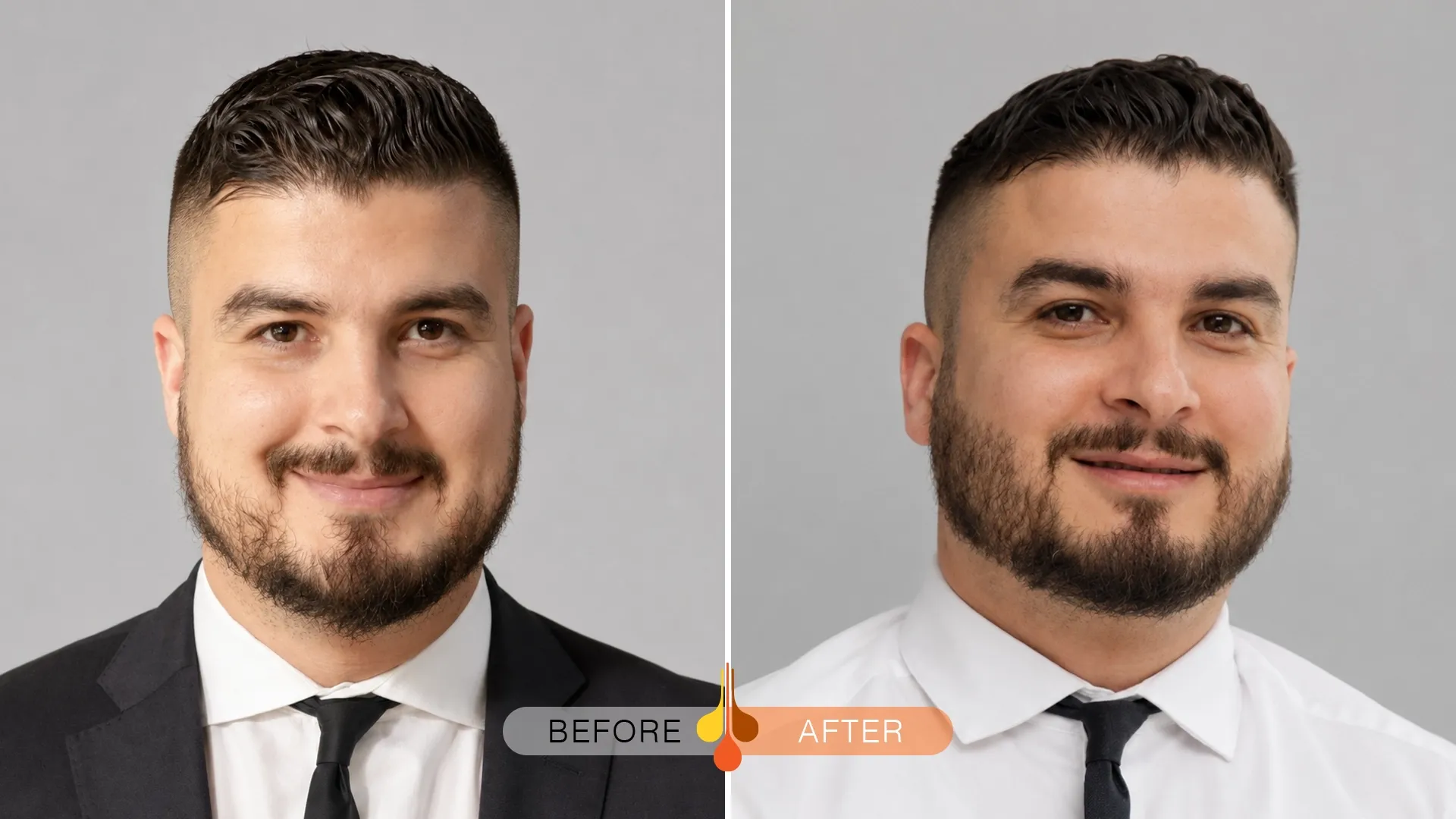
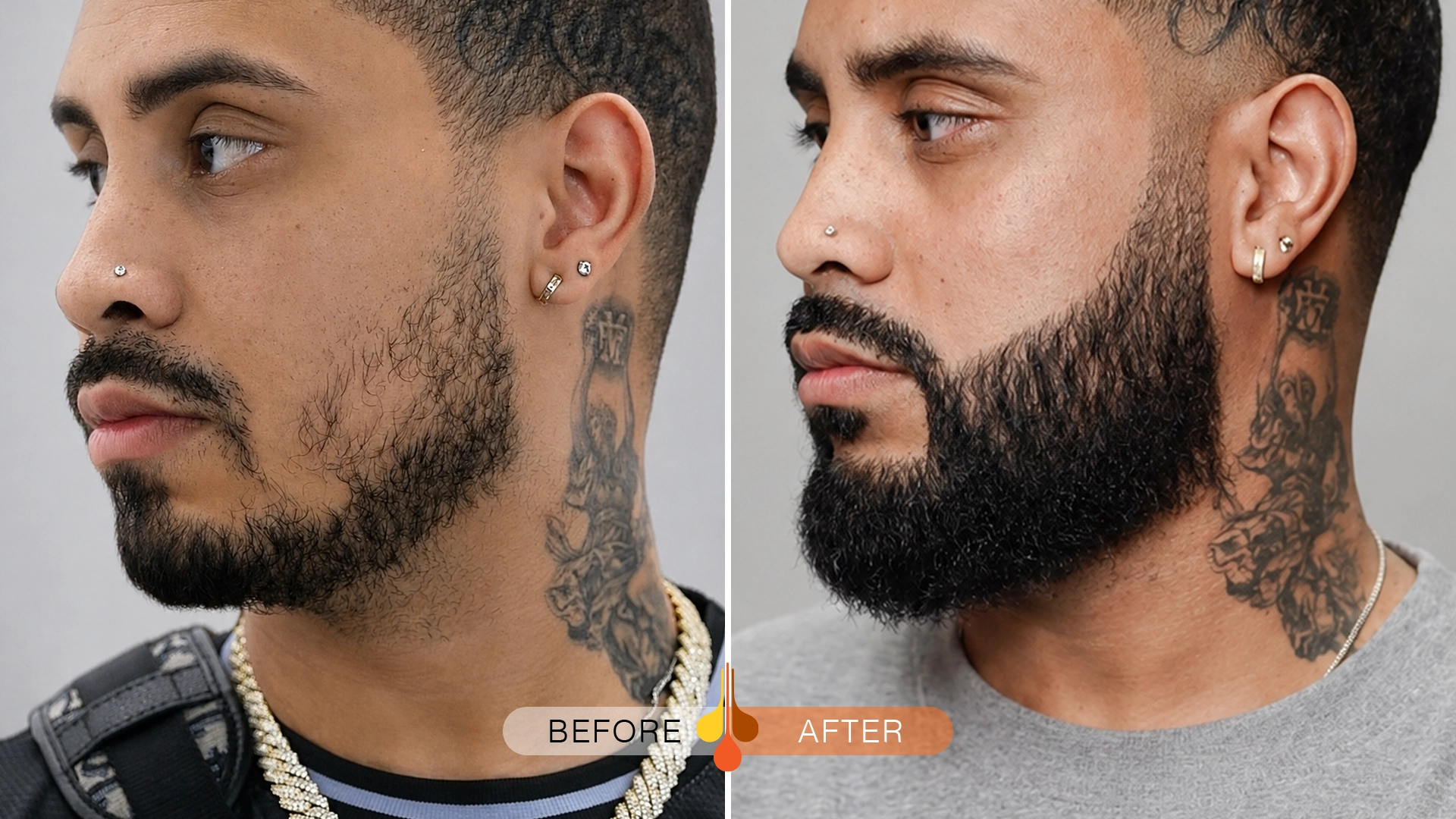
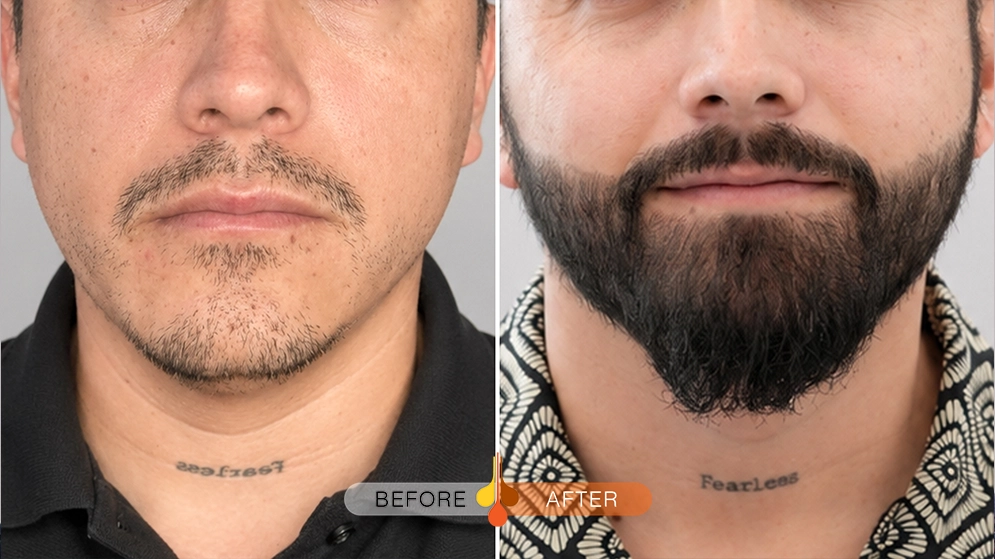
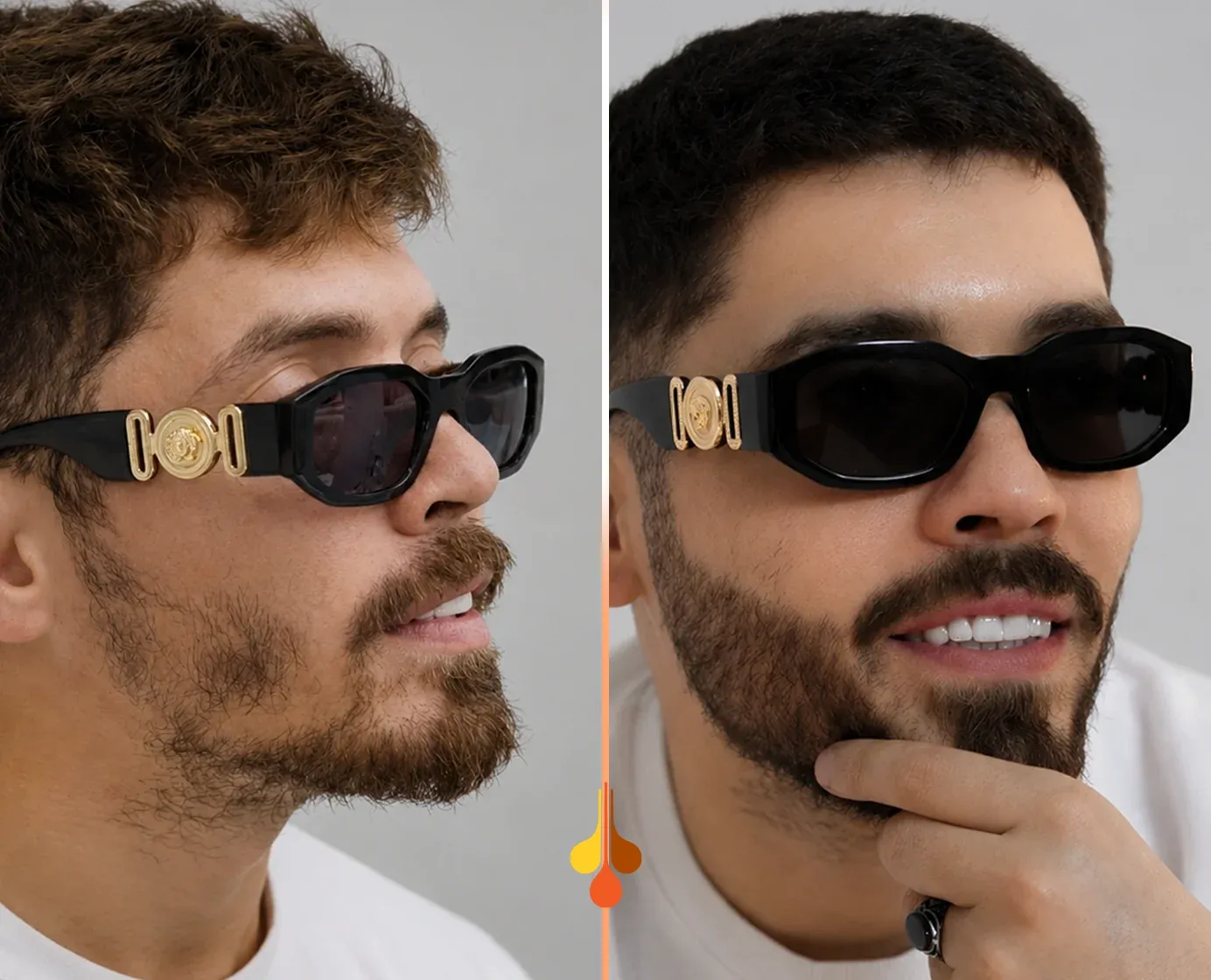
This is exactly why beard and moustache restoration has become one of the fastest-growing cosmetic procedures in Saudi Arabia. With advanced transplant methods now available in Riyadh, and other major cities, men have access to safe, permanent solutions that look completely natural.
Why Beard and Moustache Restoration Is Growing in Saudi Arabia
Saudi Arabia has seen a rapid rise in demand for facial hair transplant procedures over the past decade. This growth is driven by several factors:
- Increased awareness of modern hair restoration techniques
- Higher aesthetic standards and grooming trends
- Availability of advanced clinics within the Kingdom
- Desire for permanent results rather than temporary fixes
- Greater confidence in minimally invasive cosmetic procedures
Unlike older cosmetic approaches such as fillers, tattooing, or camouflage products, modern beard transplantation offers something far more valuable: real hair that grows naturally for life.
For men who have struggled with uneven beard growth for years, restoration can feel genuinely life-changing.
What Is a Beard Transplant?
Beard transplant in Riyadh is a microsurgical procedure that restores facial hair density by relocating healthy hair follicles from one part of the body to another.
Most commonly, follicles are taken from the back or sides of the scalp, areas where hair tends to be genetically resistant to thinning. These follicles are then implanted into areas of the beard or moustache where hair is missing, thin, or uneven.
Because the transplanted follicles are living tissue, they continue to grow permanently, blending seamlessly with existing facial hair over time. A properly performed transplant does not look artificial. Once fully healed, the hair behaves just like natural beard hair, it can be trimmed, styled, shaved, and groomed normally.
The Rise of Beard Transplant Surgery in Riyadh
In recent years, Riyadh has become one of the leading centers for facial hair restoration in the Middle East.
Many clinics in the capital now combine:
- Highly trained hair transplant surgeons
- Advanced extraction tools
- Modern implantation techniques
- Artistic beard design expertise
- Strong safety and Ministry of Health regulation compliance
Men seeking world-class results no longer need to travel abroad. High-quality beard restoration is now widely accessible within Saudi Arabia.
How Beard Transplantation Works: Step-by-Step
Although beard transplantation is minimally invasive, it is a highly detailed and precise procedure. Success depends not only on medical skill but also on artistry and facial understanding.
Most procedures follow these key stages:
Consultation and Beard Design
The process begins with a detailed consultation.
Your surgeon will evaluate:
- Your facial hair pattern
- Areas of patchiness or scarring
- Donor hair availability
- Desired beard shape and density
- Facial proportions and symmetry
This stage is essential because beard restoration is not “one size fits all.” Every beard must suit the patient’s face naturally.
Donor Hair Extraction
Once the design is confirmed, follicles are harvested from the donor area, typically the back of the scalp. The surgeon selects follicles that best match facial hair texture.
Extraction is done carefully to avoid damaging the grafts and to preserve the donor area’s appearance.
Graft Preparation
After extraction, each follicular unit is prepared under magnification.
Grafts are separated into:
- Single-hair grafts (for soft edges and transitions)
- Multi-hair grafts (for thicker zones like the chin)
This preparation stage plays a major role in creating a natural result.
Implantation into the Beard Area
This is the most technically demanding part of the procedure. Each follicle must be implanted at the correct Angle, Depth, Direction, and Density.
Unlike scalp hair, beard hair grows in complex patterns that shift across the face. A skilled surgeon recreates these patterns carefully.
Post-Operative Care and Follow-Up
After surgery, patients receive detailed instructions on:
- Cleaning and moisturizing
- Avoiding pressure or friction
- Managing swelling
- When to shave or trim again
- Follow-up visit schedules
Healing is usually smooth when proper care is followed.
Why Facial Hair Transplants Require Special Expertise
Beard restoration is more complex than scalp restoration because facial hair behaves differently.
Facial Hair Growth Is Directional
Each region of the beard has its own growth angle:
- Jawline hair grows downward and backward
- Cheek hair grows flatter and diagonally
- Sideburns transition between vertical scalp hair and horizontal beard hair
- Moustache hairs require perfect symmetry and downward flow
If grafts are implanted at the wrong angle, the beard can appear unnatural or “spiky.”
Depth Control Is Critical
Beard skin is thinner than scalp skin, so depth must be precise. Too deep can damage follicles; too shallow affects growth. This is why choosing a specialist in facial hair restoration is essential.
The Gold Standard in Facial Hair Restoration: FUE Beard Transplantation
Follicular Unit Extraction (FUE) has established itself as the premier methodology for beard and moustache reconstruction. By prioritizing both aesthetic precision and patient comfort, this technique offers a sophisticated solution for those seeking to address patchy growth, scarring, or a desire for increased facial hair density.
The Methodology: Precision at a Microscopic Level
The FUE process is characterized by its meticulous approach to graft harvesting. Rather than removing a strip of tissue, practitioners utilize specialized micro-punch instruments, typically measuring less than 1.0mm in diameter, to extract individual follicular units directly from the donor site.
This granular approach allows for the selection of hairs that best match the caliber and texture of natural facial hair, ensuring a seamless integration with existing growth.
Key Advantages of the FUE Approach
Choosing FUE for facial restoration provides several distinct clinical and cosmetic benefits:
- Absence of Linear Scarring: Unlike traditional methods, FUE leaves only microscopic circular points that become virtually invisible to the naked eye once healed, allowing for short hairstyles without concern for visible marks.
- Rapid Recovery and Minimal Downtime: The minimally invasive nature of the procedure allows most patients to resume their professional and social commitments within a few days.
- Enhanced Patient Comfort: By avoiding deep incisions and sutures, the post-operative period is characterized by significantly less physical discomfort and a reduced reliance on pain management.
- Superior Aesthetic Precision: The ability to place individual grafts allows the surgeon to mimic the natural exit angles and varying directions of a natural beard, resulting in a dense, authentic appearance.
Post-Procedural Outlook
The healing trajectory for an FUE Beard transplant in Riyadh is remarkably efficient. While minor redness or crusting is expected in the immediate aftermath, these symptoms typically subside rapidly. Within a week, the transplanted area begins to stabilize, and patients can enjoy a permanent, natural-looking enhancement to their facial profile.
FUE vs DHI: Which One Is Better?
Some clinics also offer Direct Hair Implantation (DHI), which uses an implant pen instead of pre-made channels.
Here’s how they compare:
|
Feature |
FUE |
DHI |
|
Implantation |
Channels created first |
Direct placement with a pen |
|
Best for |
High-density coverage |
Precise shaping and edges |
|
Recovery |
Very fast and soon back to work |
For detail zones |
Beard Transplant Availability Across Saudi Arabia
Although Riyadh is the main hub, beard restoration is available throughout the Kingdom.
Beard Transplant in Riyadh
Men in western Saudi Arabia often choose clinics in Riyadh, where standards match those of the capital. Many centers specialize in natural contouring and full beard design.
Nationwide Standards
Across Saudi Arabia, licensed clinics operate under Ministry of Health regulations, ensuring safe beard transplantation surgeon in Riyadh protocols and professional oversight.
Beard Transplant Planning in Saudi Arabia
Every beard transplant is designed based on the individual’s facial features, hair pattern, and desired beard style. Factors such as coverage area, density goals, graft placement, and overall facial balance all influence the treatment approach.
Some patients may only want to fill small patchy areas, while others look for full beard restoration across the cheeks, jawline, and neckline.
Typical Graft Ranges
|
Procedure Type |
Estimated Grafts |
Focus Area |
|
Small patch fill |
Variable |
Chin or moustache gaps |
|
Full beard restoration |
Variable |
Jawline, cheeks, neckline |
|
Revision procedure |
Variable |
Improving previous work |
A personalized assessment helps determine the most suitable graft strategy based on your facial structure, hair characteristics, and long-term goals.
Recovery Timeline: What to Expect
Healing happens gradually, and understanding the stages helps set realistic expectations.
Days 1–7: Early Healing
In this stage, Mild redness and swelling, Small scabs around grafts, and Tightness in the donor area are the signs. Most patients return to work within a few days.
Weeks 2–4: Temporary Shedding Phase
Transplanted hairs often fall out during the first month.
This is normal. The follicles remain alive under the skin and will regrow.
Months 3–4: New Growth Begins
Permanent hairs start emerging. Early growth may look uneven, but density improves steadily.
Months 6–9: Visible Thickening
This is when results become noticeable:
- Beard shape becomes clearer
- Coverage fills in
- Texture begins matching natural hair
Month 12: Final Results
By one year, full maturity and density are typically achieved. The beard can be shaved, trimmed, and styled naturally.
The Art of Natural Beard Design
A successful beard transplant is not only about adding hair, it is about enhancing the face.
Surgeons evaluate:
- Facial geometry
- Jawline definition
- Cheek transitions
- Natural density variation
- Hair curl and caliber
Creating the “Natural Fade”
Top clinics use selective harvesting, placing finer single-hair grafts at the beard edges and thicker grafts deeper within the chin and moustache. This creates a seamless fade and avoids harsh borders.
The best transplant is one that looks invisible, as though you were born with it.
Safety and Clinical Standards
Although minimally invasive, beard restoration is still a medical procedure. A reputable clinic will always provide Full health screening, Donor evaluation, Sterile surgical environment, Licensed medical staff, and Clear follow-up planning. Choosing an experienced, certified surgeon protects both your appearance and your long-term graft survival.
Final Thoughts: A Long Time Solution for Facial Hair Confidence
Beard and moustache restoration in Saudi Arabia has become one of the most advanced and reliable cosmetic procedures available today.
With technique like FUE , men can achieve Long Time facial hair growth, Natural density and texture, improved symmetry and definition, A look that enhances confidence and identity.
Whether you’re correcting patchiness, rebuilding after scarring, or simply creating a stronger beard line, modern restoration offers a realistic solution backed by medical precision.
In Riyadh, and across the Kingdom, a fuller beard is no longer left to genetics, it’s an achievable option supported by world-class surgical expertise.