






Eyebrow Transplant in Dubai and Abu Dhabi: Procedure, Cost Range Factors, and Natural-Looking Outcomes
Eyebrows rarely get treated like a medical topic until they start disappearing. A thinning brow can be gradual—tail ends fading over years—or sudden, such as a gap from an old scar that becomes more noticeable as facial contrast changes. The cosmetic impact is obvious, but the underlying problem is biological: the follicle is either still producing hair, producing weaker hair, or no longer capable of producing hair at all.
An eyebrow transplant is designed for the last two categories. It is a hair restoration procedure that relocates healthy follicles from a donor area (usually the scalp) to the eyebrow region. The result, when performed with careful direction and spacing, is real hair growth in places where eyebrow density has been lost. In the UAE, demand has grown across both major hubs—eyebrow transplant in Dubai and eyebrow transplant in Abu Dhabi—because the treatment offers a long-term solution that pigment-based methods cannot truly replicate.
What an Eyebrow Transplant Is in Clinical Terms
An eyebrow transplant restores density using a person’s own hair follicles. Follicles are harvested from a donor area, prepared as grafts (often single-hair grafts), and implanted into the eyebrow skin at very shallow angles. The eyebrow is not a uniform strip; it is a directional map. The medical core of the procedure is graft survival. The aesthetic core is graft direction.
The most common modern method is FUE (Follicular Unit Extraction). Follicles are removed individually, reducing the need for a linear donor scar and allowing selective harvesting of finer hairs that suit eyebrow texture more closely.
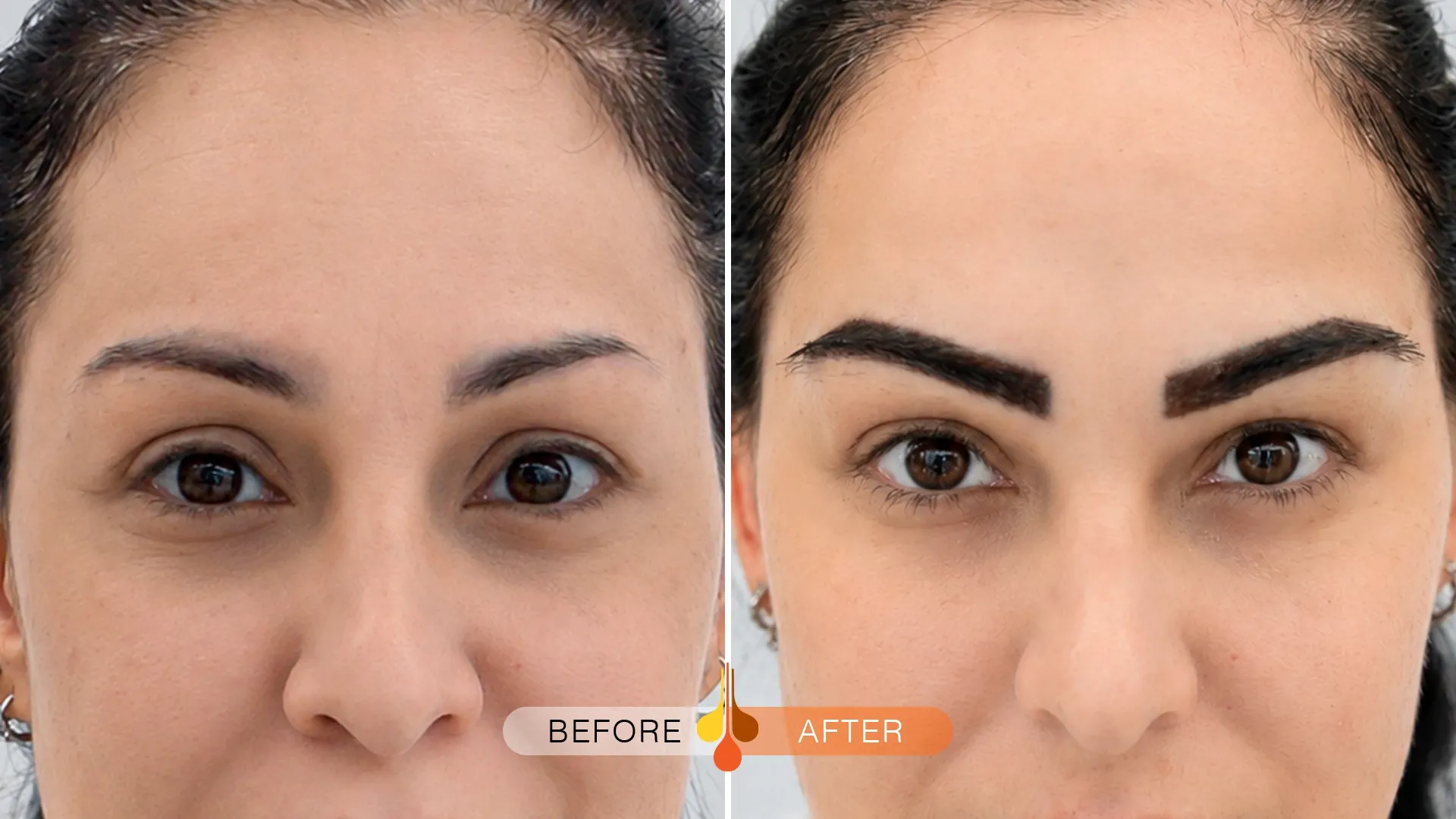
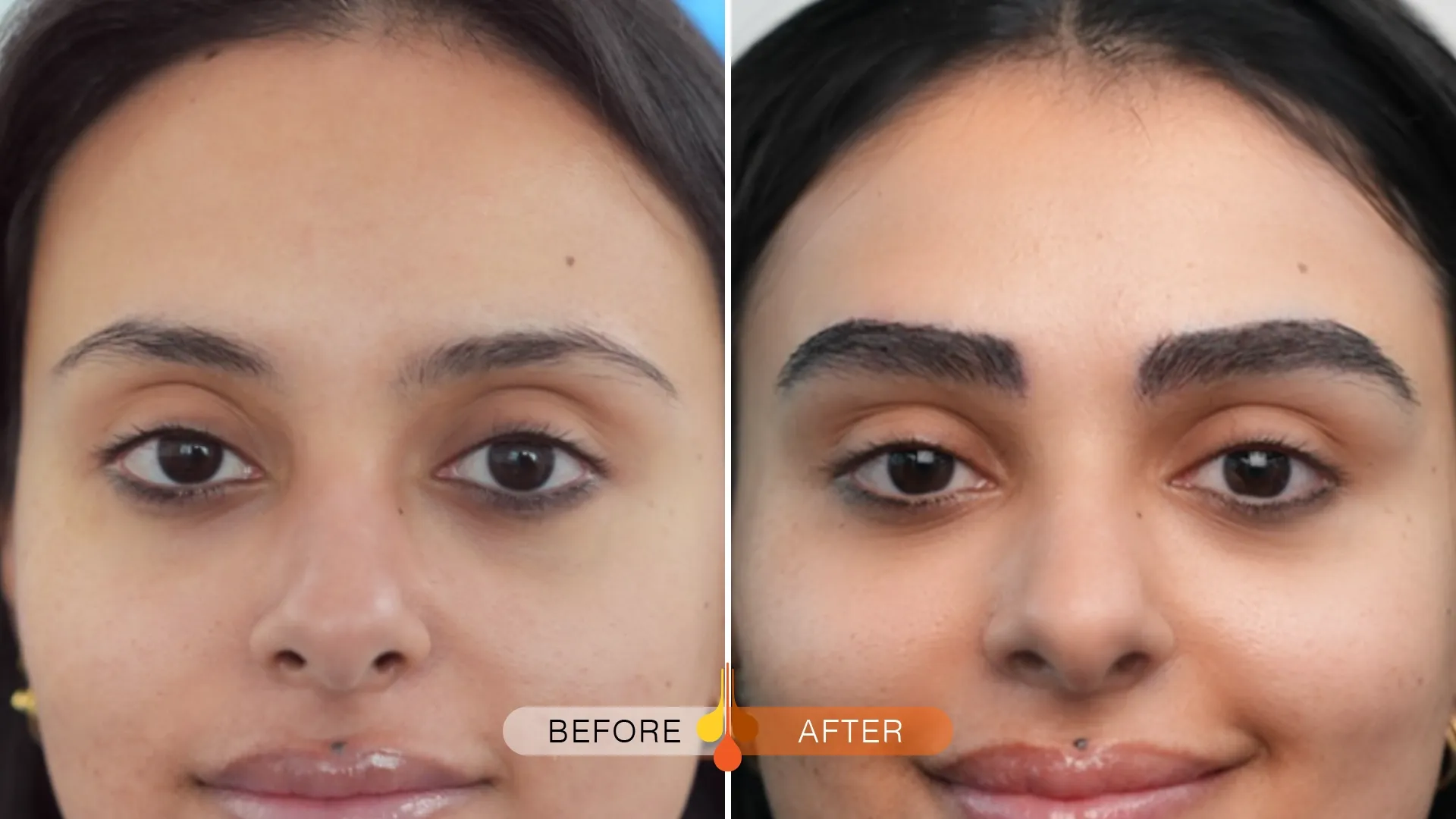
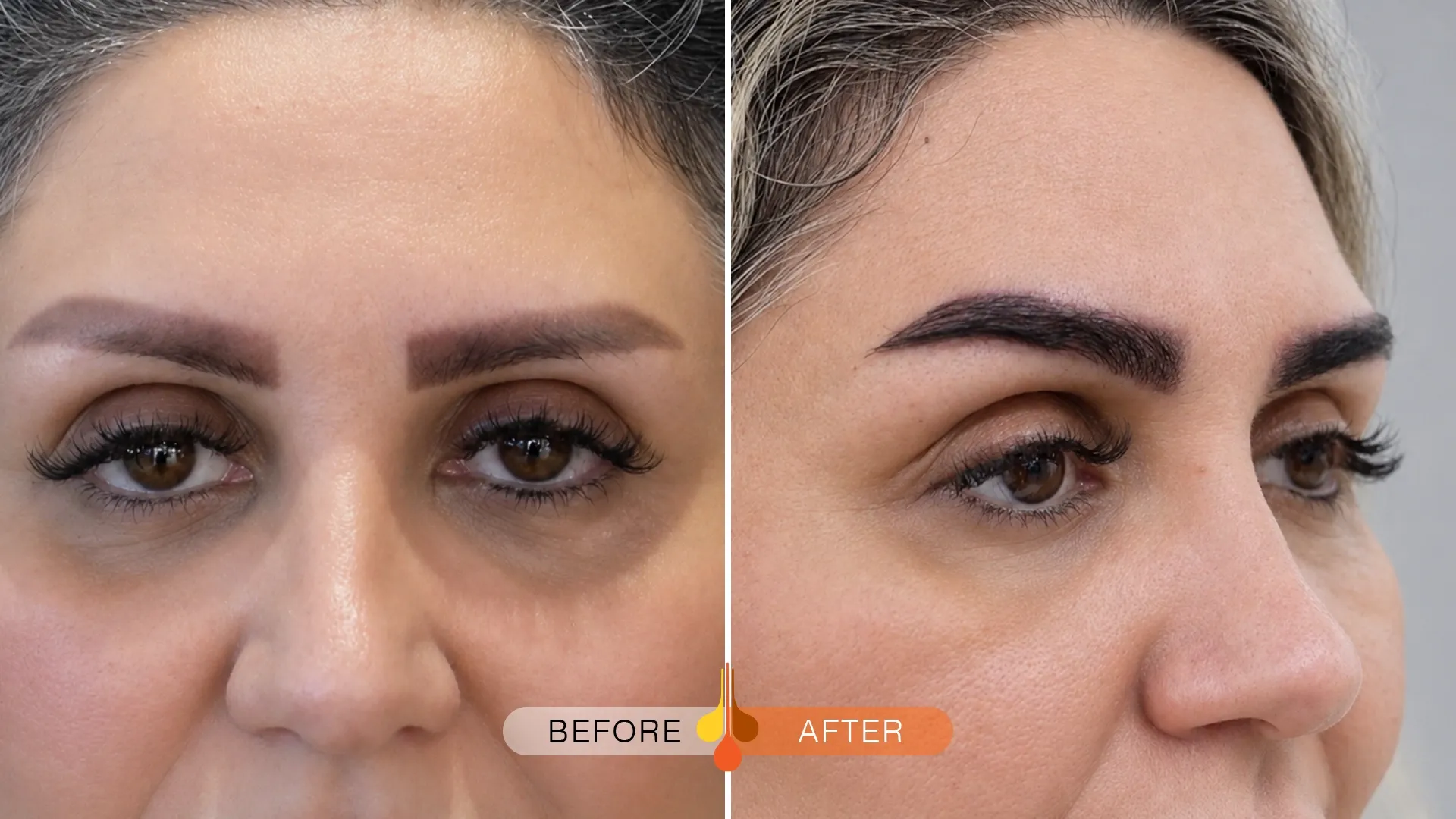
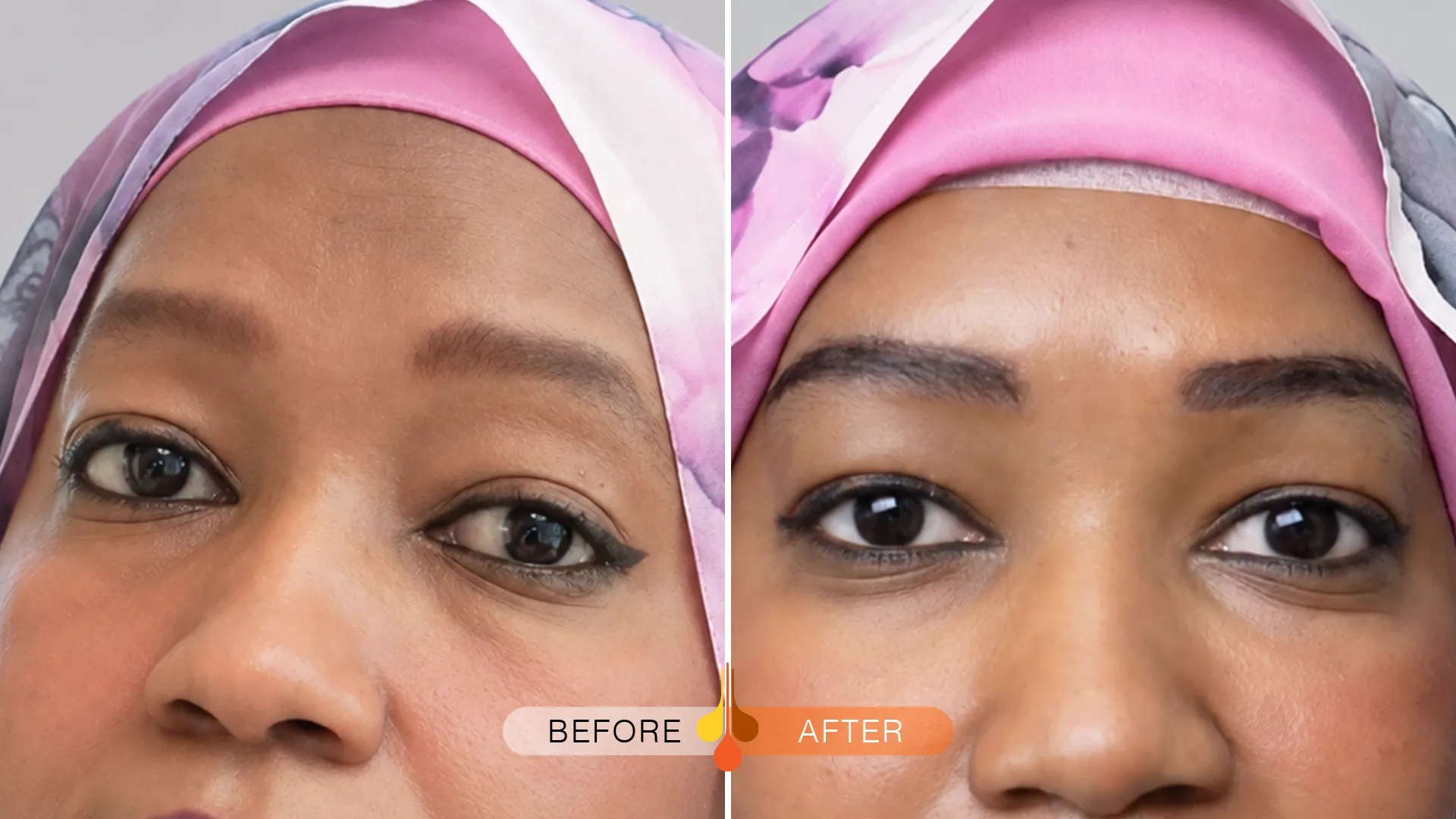
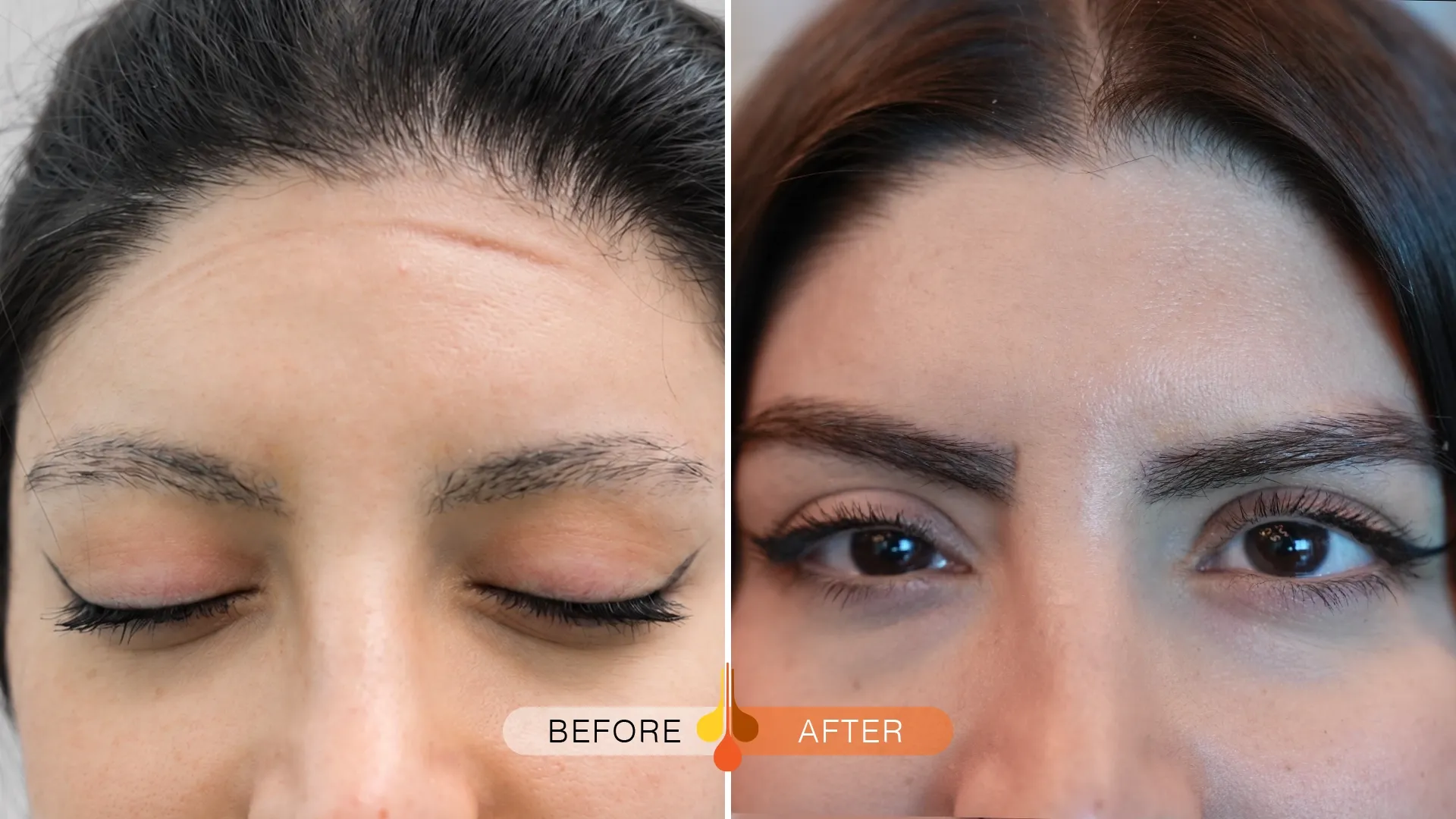
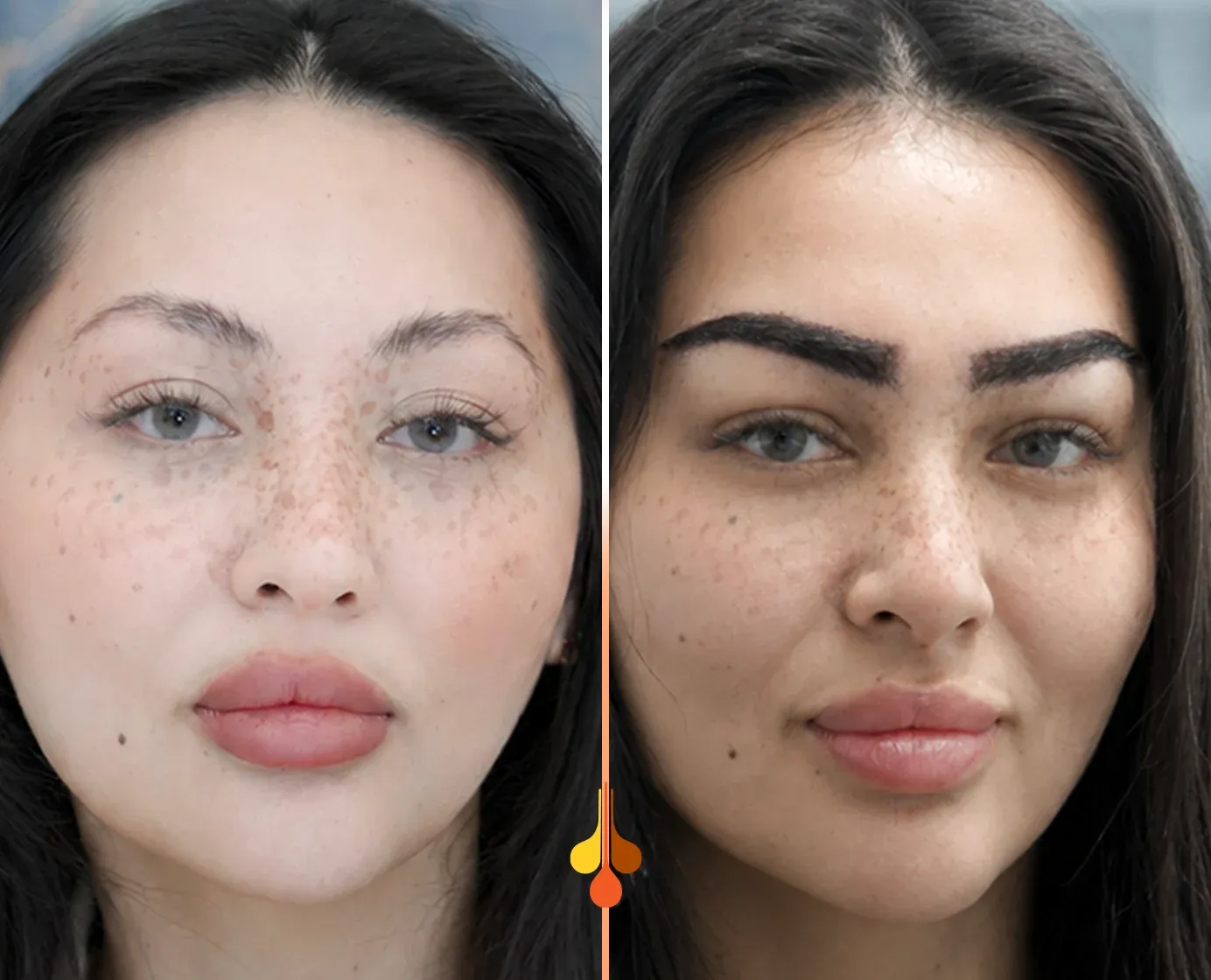
A successful transplant tends to look unremarkable in the best way. Density increases gradually. The brow starts to hold shape without heavy camouflage. Under daylight and close conversation distance, the hair direction remains the “tell.”

Why Eyebrows Thin: Causes That Influence Planning
Eyebrow thinning can be straightforward or layered. The cause matters because it shapes expectations and determines whether other medical work is needed first.
Common clinical causes include:
- Over-plucking or repeated threading: long-term traction and follicle damage can create permanent thinning, often strongest in the tail.
- Genetic sparsity: some brows are naturally low-density and remain stable but sparse for years.
- Scarring: injuries, burns, or surgery can disrupt follicles completely. Scar tissue may still accept grafts, but growth can be less predictable.
- Inflammatory skin conditions: chronic irritation around brows can reduce follicle strength and alter skin quality.
- Medical patterns: thyroid imbalance, nutritional deficiencies, hormonal shifts, and autoimmune conditions can affect eyebrow density.
When eyebrow loss is still active, a transplant can be premature. When loss is stable and follicles are absent or permanently weakened, transplant becomes a logical option.
The Aesthetic Architecture of a Natural Brow
“Natural” is not a vague marketing word in eyebrow restoration. It has anatomical rules.
The eyebrow usually gets planned in zones:
The brow head (closest to the nose) reads best when softer and less dense. The brow body carries most of the visual weight and should show consistent lateral flow. The arch influences expression and can create a sharper or softer emotional tone depending on its height and angle. The tail is often the first to thin and is where tapering density prevents a blunt ending.
In clinical practice, unnatural results often come from one of two errors: overly steep implantation angles (hairs stand up) or density that ignores zone behavior (front too heavy, tail too blunt). A well-designed eyebrow transplant looks like the brow always had a plan.
Procedure Overview: What Typically Happens on the Day
Most eyebrow transplant procedures are performed under local anesthesia. The sequence is similar across reputable clinics, though details vary.
- Design and mapping
A brow outline is drawn and adjusted with attention to facial balance, existing brow hairs, and symmetry that remains realistic. - Donor selection
Hair is harvested from an area that provides the best match in diameter and growth behavior. For many cases, finer donor hair produces a more believable eyebrow texture. - Graft extraction (often FUE)
Individual follicular units are removed carefully to reduce trauma. - Recipient site creation
Tiny channels are created in the brow at shallow angles that match natural direction shifts across zones. - Implantation
Grafts are placed one by one. Single-hair grafts are commonly prioritized for the brow head and for refined realism.
The implantation step is typically the longest because the angle work is precise. This is where surgical discipline shows up later as natural lay.
Healing and Growth: The Timeline That Matters
An eyebrow transplant is not an instant makeover. The early days are about healing; the months afterward are about biology.
A typical timeline pattern looks like this:
- First week: mild redness and small crusts around grafts are common.
- Weeks 2–6: transplanted hairs often shed. This can look worrying but is expected.
- Months 3–4: early regrowth often begins.
- Months 6–9: density becomes visibly stronger and begins to blend.
- Months 9–12: a mature result is clearer, with better texture harmony.
The slow build is part of why results should be judged at 9–12 months rather than early photos.
Long-Term Maintenance: A Small Reality That Shouldn’t Be Missed
Transplanted eyebrow hairs often behave like scalp hair because they come from the scalp. That means they can grow longer than native eyebrow hair. For most people, maintenance becomes simple grooming: periodic trimming and light shaping. It is not “high maintenance,” but it is real.
This detail matters because it separates a transplant from pigment-based options. Pigment stays in place; hair grows.
Eyebrow Transplant vs Other Brow Solutions
| Option | What It Changes | Longevity | Strengths | Limitations |
| Eyebrow transplant | Adds real hair density using own follicles | Long-term | Real hair, texture is authentic, can restore gaps and some scars | Takes months to mature; trimming usually needed |
| Microblading | Pigment strokes in skin | Often 12–24 months (varies) | Quick definition, useful for subtle shaping | Not hair; fading/colour shift possible |
| Brow tattoo / shading | Pigment fill | Multi-year | Strong, stable definition | Can look flat; tone may change over time |
| Brow serum | Supports existing follicles | Ongoing | Non-procedural | Limited if follicles are absent |
| Makeup | Visual fill | Same-day | Flexible and reversible | Daily effort; can smudge or look heavy |
Dubai vs Abu Dhabi: Practical Differences Without Hype
Both cities host advanced aesthetic medicine and hair restoration clinics, and both attract international standards. Differences often come down to clinic style, pricing structure, and how services are packaged.
Dubai clinics often emphasize luxury experience and broader cosmetic offerings, which can influence package pricing and add-ons. Abu Dhabi clinics may present a more medically framed approach, often with a quieter brand style. These are tendencies, not rules; quality depends on the team and the work, not the skyline.
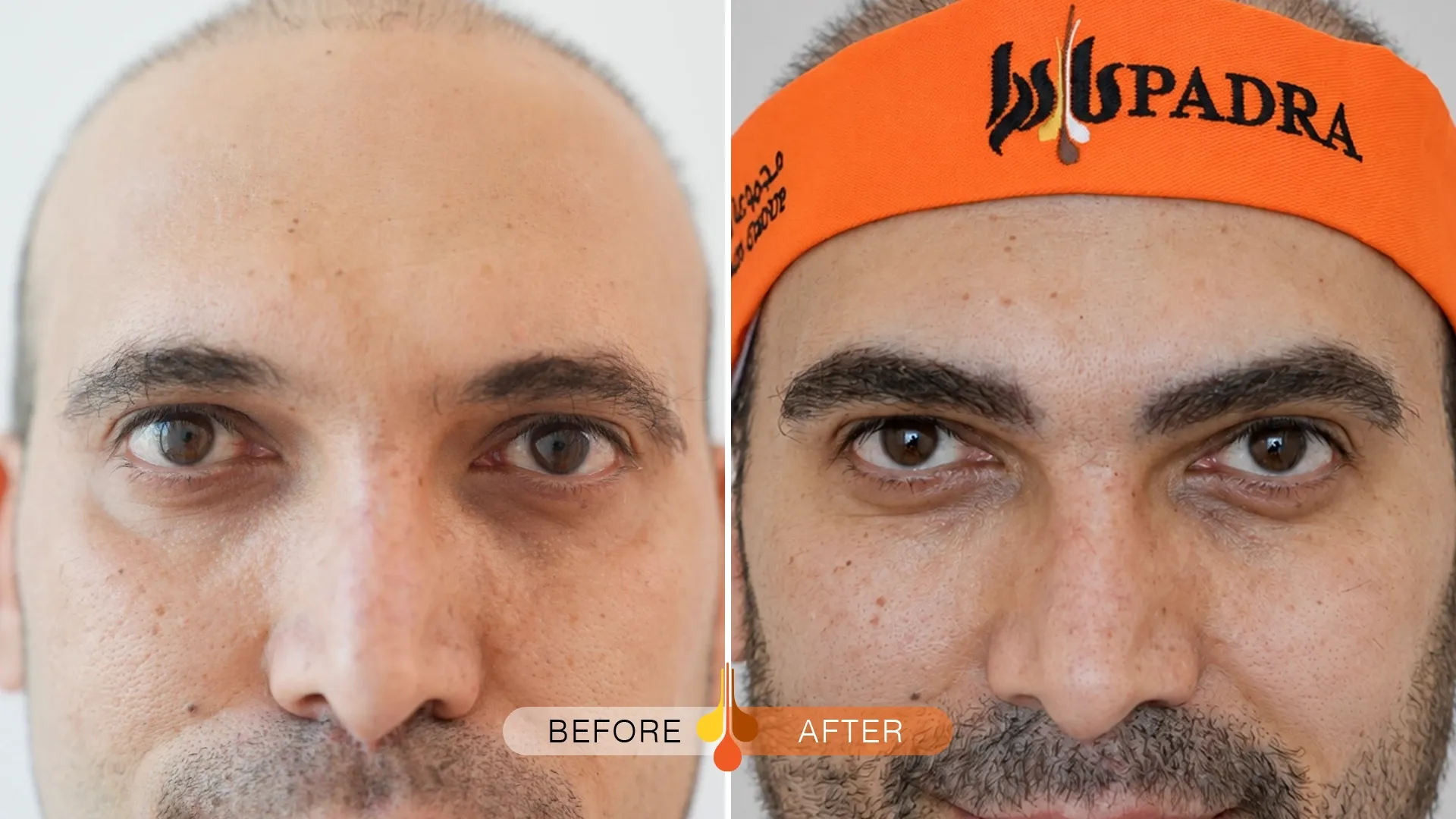
The best evaluation method remains consistent: healed photo sets, close-up direction clarity, and transparent discussion of limitations—especially for scars.
Cost Factors: Why Numbers Vary Widely
Cost is shaped by graft count, case complexity, scar involvement, surgeon time, and follow-up structure. Because eyebrow work is detail-heavy, time in the procedure can matter as much as the number of grafts.
The key phrases often used in planning discussions include eyebrow transplant cost in Dubai, eyebrow transplant cost in Abu Dhabi, and Eyebrow transplant Price in Dubai. These phrases usually point to the same reality: pricing is not a single flat number because the procedure is not a single flat task.
Cost drivers commonly include:
- Extent of thinning (tail-only vs full reconstruction)
- Scar tissue presence and stability
- Graft count and single-hair sorting needs
- Implantation method and time required
- Surgeon involvement versus technician-heavy workflows
- Included aftercare, follow-ups, and medications
A quote becomes meaningful only when it matches a specific graft plan and design map.
Common Cost and Planning Differences by City
| Topic | Dubai (general pattern) | Abu Dhabi (general pattern) |
| Pricing structure | Often packaged, sometimes premium experience-led | Often medical-clinic style pricing, may be itemized |
| Add-on services | Frequently offered (skin, injectables, bundled aesthetics) | Often more focused around the core procedure |
| Case mix | High cosmetic demand, many redesign cases | Mix of cosmetic and medical framing cases |
| Key cost phrases used | eyebrow transplant cost in Dubai, Eyebrow transplant Price in Dubai | eyebrow transplant cost in Abu Dhabi |
| Value signals | Healed results, direction control, realistic density planning | Healed results, direction control, realistic density planning |
These are broad patterns, not guarantees. Within both cities, there are clinics with excellent work and clinics with inconsistent work.
About “Cheap” Options and What the Word Usually Hides
The phrase Cheap hair transplant in Abu Dhabi shows up often in commercial contexts, but eyebrow transplants are a precision procedure where “cheap” can silently mean fewer hours, rushed implantation, poor single-hair selection, or less experienced teams.
A low price does not automatically indicate low quality. However, eyebrow work has a narrow margin for error because direction is visible and correction can be difficult. When a price is dramatically lower than the local range, the practical question becomes what is being reduced: surgeon time, graft handling quality, follow-up, or team expertise.
A clinically safe approach values predictable outcomes over dramatic bargains.
Risks and Side Effects: Realistic, Not Alarmist
Most patients experience mild short-term effects: redness, swelling, tenderness, or small crusting. During regrowth, occasional folliculitis (small pimples) can occur, usually manageable. Some grafts may not survive, leading to patchy density that can be refined later. In scar tissue, graft survival is less predictable and sometimes benefits from conservative density planning.
A less common but important risk is unnatural direction if angles are not controlled. This is a technique issue, not a normal “side effect,” and it’s why healed results and close-up photos are more valuable than marketing claims.
How Natural Results Are Judged
“Natural” in eyebrow restoration is measurable in practice.
A natural outcome tends to show:
- Flat hair lay (not upright hairs)
- Direction consistency across zones
- Soft front density rather than a hard block
- A tail that tapers rather than ends bluntly
- Blending with existing hairs so the transition is not obvious
High density is not always the goal. The goal is believable density with correct flow.
Common Case Types Seen in UAE Clinics
While every brow is different, certain case categories appear frequently:
Scattered thinning with intact native hairs often benefits from density “fill-in” work, especially in the tail. Over-plucking patterns tend to present as a missing tail and a narrow body. Scar cases present as sharp gaps that require careful site creation. Genetic low density often benefits from conservative full-brow densification with attention to the brow head softness.
These categories matter because they influence graft count and time, which in turn influence cost.
A Clinically Grounded Summary
Across the UAE, eyebrow transplant in Dubai and eyebrow transplant in Abu Dhabi represent a durable approach to brow restoration because the procedure creates real hair growth rather than pigment simulation. The most meaningful differences between clinics are rarely about slogans. They are about technique: donor hair choice, graft handling, shallow angle creation, and placement that respects eyebrow direction zones.
Cost—whether framed as eyebrow transplant cost in Dubai, Eyebrow transplant Price in Dubai, or eyebrow transplant cost in Abu Dhabi—is best understood as a reflection of case complexity and the time required for precision work. Phrases like Cheap hair transplant in Abu Dhabi may look appealing, but eyebrow outcomes are highly technique-dependent, and revisions can be more complex than the original plan.
When executed with restraint and accuracy, eyebrow transplantation produces results that look natural at the distances that matter most: everyday conversation, bright lighting, and close photos—without relying on heavy definition or constant camouflage.