






What is PRP Hair Treatment?
PRP (Platelet-Rich Plasma) hair treatment is a regenerative therapy designed to combat hair loss by harnessing the body’s natural healing mechanisms. It is a non-surgical procedure that utilizes the patient’s own blood components to rejuvenate weakened hair follicles and stimulate new hair growth.
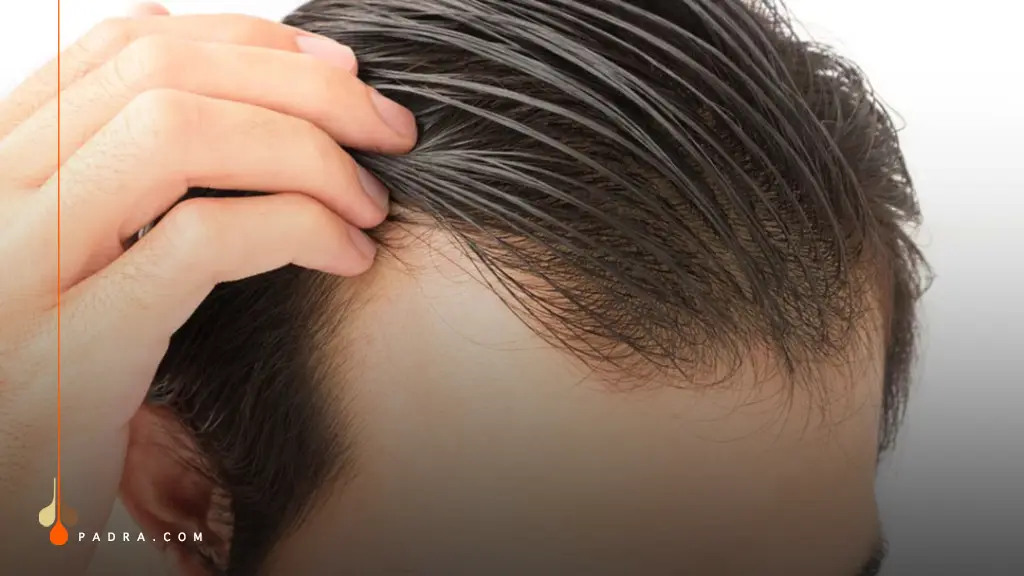
PRP is rich in growth factors and proteins that promote tissue repair and regeneration. By injecting concentrated platelets into the scalp, this therapy enhances blood circulation around hair follicles, prolongs the growth phase of hair, and reduces hair thinning.
How PRP Works for Hair Loss
- Blood Extraction: A small amount of blood is drawn from the patient.
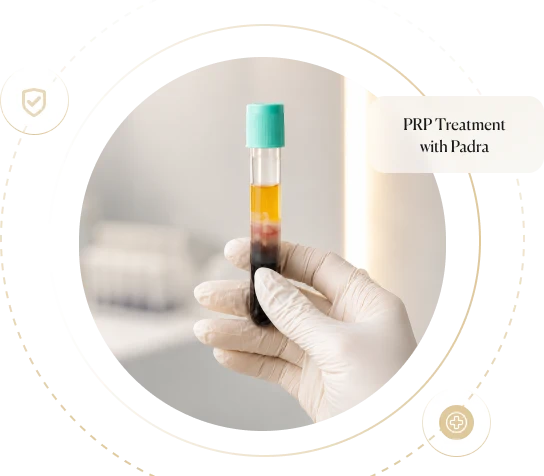
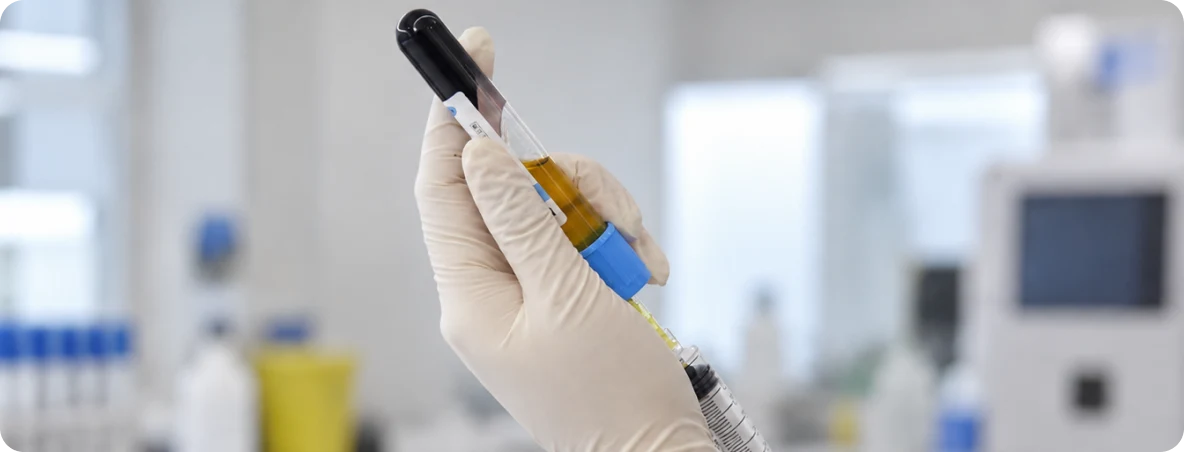
- Centrifugation: The blood is processed in a high-speed centrifuge to separate and concentrate platelets.
- Activation: Growth factors in PRP are activated to enhance their regenerative properties.
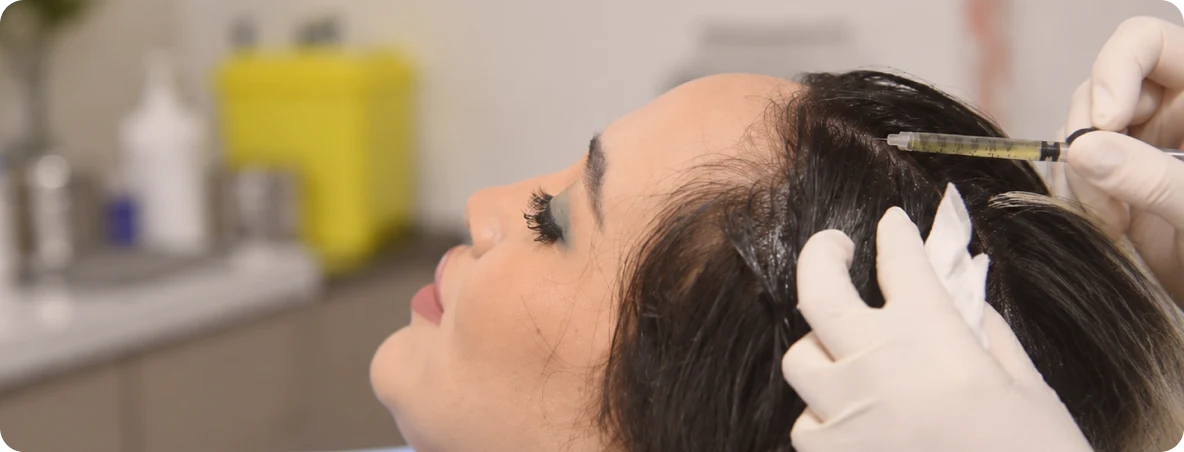
- Scalp Injection: The activated PRP is injected into targeted areas of the scalp where hair thinning occurs.
- Follicle Stimulation: Growth factors work to repair and revitalize dormant or weak hair follicles, leading to improved hair thickness and density.
PRP is commonly used as a stand-alone therapy or in combination with other hair restoration treatments like minoxidil, finasteride, or hair transplants to maximize effectiveness. Results vary, but most patients experience thicker, healthier hair growth within a few months of consistent treatment.
Does PRP Work for Hair Loss?
PRP therapy harnesses the body’s natural healing properties to revitalize weakened hair follicles. Studies suggest that PRP can increase hair density and thickness over time. But does PRP regrow hair permanently?
Scientific Evidence Supporting PRP for Hair Loss
- A study published in Dermatologic Surgery found that PRP increased hair density by 30-40% over several months.
- Another study in Aesthetic Plastic Surgery showed significant hair regrowth in both men and women after multiple PRP sessions.
PRP vs. Other Hair Loss Treatments
PRP hair treatment is often compared to other common hair loss solutions, including medications and surgical procedures. Below is a detailed comparison of PRP versus other hair loss treatments to help you understand its effectiveness and potential benefits.
Comparison Table: PRP vs. Other Hair Loss Treatments
| Treatment | Mechanism of Action | Effectiveness | Maintenance Required? | Side Effects | Best For |
| PRP Therapy | Uses growth factors from the patient’s own blood to stimulate hair follicles | Moderate to High (especially for early hair loss) | Yes, requires follow-up sessions every 6-12 months | Mild redness, swelling | Early to moderate hair loss, thinning hair |
| Minoxidil (Rogaine) | Topical solution that increases blood flow to hair follicles | Moderate (must be used consistently) | Yes, daily application required | Scalp irritation, shedding in early stages | Mild hair thinning |
| Finasteride (Propecia) | Oral medication that blocks DHT, a hormone linked to hair loss | High for male pattern baldness | Yes, daily medication is required | Potential sexual side effects, hormonal changes | Male pattern baldness |
| Hair Transplant | A surgical procedure that relocates hair follicles from one area to another | High (permanent results) | No, but may require PRP for maintenance | Scarring, recovery time required | Advanced hair loss, bald spots |
Key Takeaways
- PRP is a natural and non-invasive option that enhances hair growth without significant side effects.
- Minoxidil and finasteride require continuous use, while PRP can offer long-term benefits with periodic maintenance.
- Hair transplants provide the most permanent solution, but PRP can complement them for faster healing and better follicle survival.
- Choosing the right treatment depends on the stage of hair loss and individual needs.
If you’re considering PRP or any other hair loss treatment, consult with a specialist to determine the best approach for you.
PRP Hair Treatment Process – Step-by-Step
PRP therapy follows a structured process that ensures the highest concentration of growth factors is delivered to the scalp for optimal hair restoration results. Below is a detailed breakdown of the procedure:
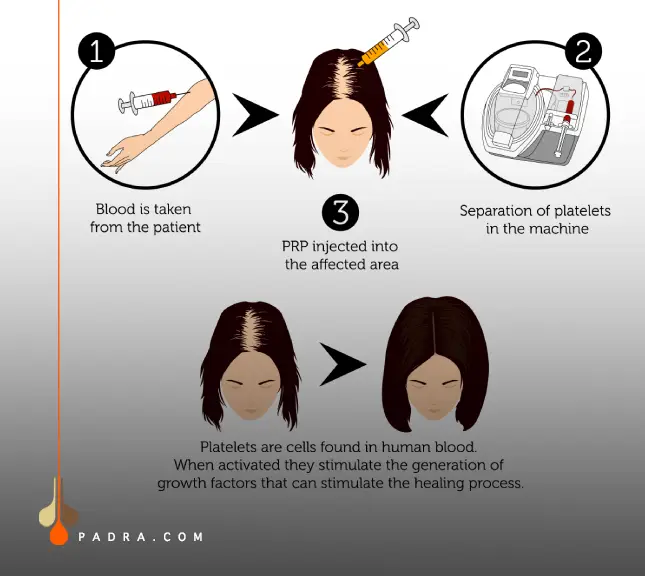
Step 1: Blood Draw
- A small sample (typically 10-20 ml) of the patient’s blood is drawn from the arm.
- The amount of blood taken depends on the size of the treatment area.
Step 2: Centrifuge Process
- The blood sample is placed in a specialized centrifuge and spun at high speed for approximately 10-15 minutes.
- This process separates the blood into three layers:
- Red Blood Cells
- Platelet-Poor Plasma (PPP)
- Platelet-Rich Plasma (PRP)
- The PRP layer, which is the most concentrated with growth factors, is extracted for use.
Step 3: PRP Activation and Injection
- The PRP is sometimes activated using calcium chloride or thrombin, enhancing its regenerative properties.
- The activated PRP is carefully injected into the scalp at multiple targeted sites using fine needles.
- The injections are typically made 1 cm apart in areas experiencing thinning or hair loss.
- The entire injection process takes around 30-45 minutes.
Step 4: Post-Treatment Recovery & Aftercare
- Patients can resume daily activities immediately, but mild swelling or redness may persist for a few hours.
- Avoid washing hair for at least 24 hours after treatment.
- Refrain from alcohol, smoking, and intense workouts for 48 hours to allow proper healing.
- Some patients experience slight discomfort, but pain is minimal and managed without medication.
How Many PRP Sessions Are Required?
- Initial Phase: 3-6 sessions spaced 4-6 weeks apart.
- Maintenance Phase: One session every 6-12 months to sustain results.
- The number of treatments needed varies based on individual hair loss severity and response to PRP therapy.
PRP Hair Treatment Success Rate & Results
PRP treatment has shown promising results for hair regrowth, but outcomes vary based on factors like age, genetics, and hair loss stage.
What Influences PRP Effectiveness?
- Early Treatment: Works best in the early stages of hair loss.
- Consistency: Regular follow-up treatments maintain results.
- Lifestyle & Diet: Proper nutrition enhances PRP benefits.
How Long Does It Take to See PRP Results?
- First 1-2 months: Minimal visible changes.
- 3-6 months: Noticeable reduction in hair shedding and improved thickness.
- 12+ months: Fuller, healthier hair with regular maintenance.
Who is the Best Candidate for PRP Hair Therapy?
PRP is most effective for:
- Individuals with early-stage hair thinning
- Patients experiencing male or female pattern baldness
- Those with hair loss due to stress or hormonal imbalances
PRP vs. Hair Transplant: Which One to Choose?
When choosing between PRP therapy and a hair transplant, it’s important to understand their key differences, effectiveness, and suitability for different stages of hair loss.
Effectiveness & Mechanism
- PRP Therapy: Uses platelet-rich plasma derived from the patient’s blood to stimulate hair follicles and encourage natural hair regrowth. Best suited for early to moderate hair loss.
- Hair Transplant: A surgical procedure that involves transplanting hair follicles from a donor area to thinning or bald spots. Provides permanent results for advanced hair loss.
Who Is It Best For?
| Treatment | Best For |
| PRP Therapy | Individuals experiencing thinning hair or early-stage hair loss. Works well for male and female pattern baldness and for improving hair thickness. |
| Hair Transplant | Those with significant bald patches or advanced hair loss where PRP may not be sufficient to regrow hair. |
Recovery & Maintenance
- PRP Therapy: No downtime; requires multiple sessions for lasting results. Maintenance every 6-12 months is recommended.
- Hair Transplant: Requires surgical recovery time of 2-3 weeks. New hair grows in 6-12 months, with lifelong results.
Which One Should You Choose?
- Choose PRP if you have early-stage hair thinning and want to stimulate natural hair growth.
- Opt for a hair transplant if you have significant bald spots that require a permanent solution.
- Many patients combine PRP with hair transplants to improve graft survival and post-surgical healing.
- PRP: Best for early to moderate hair loss.
- Hair Transplant: Recommended for advanced hair loss with significant bald patches.
PRP Hair Treatment Cost – What to Expect?
PRP hair treatment costs vary based on clinic reputation, location, and number of sessions.
Estimated PRP Costs in Padra Clinic Locations
- Toronto: $1,000 – $2,500 per session
- Dubai: AED 2,500 – AED 5,000 per session
- Riyadh: SAR 2,000 – SAR 4,500 per session
- Doha: QAR 2,500 – QAR 5,000 per session
- Kuwait: KWD 250 – KWD 500 per session
Is PRP Covered by Insurance?
Since PRP is a cosmetic procedure, it is not typically covered by insurance.
PRP Side Effects & Risks
While PRP therapy is widely regarded as a safe and effective hair restoration treatment, it is essential to be aware of potential side effects and risks associated with the procedure. Because PRP is derived from the patient’s own blood, the risk of allergic reactions or rejection is minimal. However, as with any medical treatment, some side effects may occur.
Common Side Effects
- Redness and Mild Swelling: This is a normal reaction to the injections and typically subsides within 24 to 48 hours.
- Temporary Scalp Tenderness: Some patients may experience mild discomfort or tenderness at the injection sites.
- Minor Bruising: In some cases, small bruises may appear around the treated areas, which usually heal within a few days.
- Itching or Tingling Sensation: The healing process may cause a mild itching or tingling sensation on the scalp.
Rare but Possible Complications
- Infection: Although rare, improper hygiene or contamination during the procedure could lead to an infection.
- Blood Clot Formation: PRP involves using concentrated platelets, but improper injection techniques could increase the risk of clotting.
- Scalp Irritation or Inflammation: Some patients with sensitive skin may experience prolonged redness or irritation.
- Dizziness or Lightheadedness: A small percentage of patients feel lightheaded during or after the procedure due to the blood draw.
- Reaction to Anesthetic (If Used): Some clinics may use a local anesthetic before PRP injections, and patients sensitive to anesthesia should inform their doctor.
Who Should Avoid PRP Therapy?
PRP may not be suitable for individuals with the following conditions:
- Blood Disorders or Clotting Issues: Patients with conditions such as hemophilia, low platelet count, or clotting disorders may not be eligible for PRP therapy.
- Severe Hair Loss or Scarring Alopecia: PRP works best for early to moderate hair loss and may not be effective for completely bald areas or scarring hair loss.
- Autoimmune Diseases: Patients with lupus, rheumatoid arthritis, or other autoimmune disorders may not respond well to PRP.
- Active Scalp Infections: If a patient has an ongoing bacterial or fungal infection on the scalp, PRP treatment should be postponed until the infection is resolved.
- Recent Steroid or Anticoagulant Use: Blood-thinning medications or recent corticosteroid treatments can affect PRP’s efficacy and safety.
How to Minimize Risks and Enhance Safety
To reduce the likelihood of side effects, follow these guidelines:
- Choose a certified and experienced practitioner for PRP therapy.
- Follow all pre- and post-treatment instructions provided by your specialist.
- Avoid alcohol, smoking, and anti-inflammatory medications before treatment, as they can affect platelet function.
- Keep the scalp clean and avoid excessive touching or scratching after the procedure.
PRP therapy remains a minimally invasive and well-tolerated treatment for hair loss when performed under proper medical supervision. If you experience any unusual side effects or prolonged discomfort, contact your doctor immediately.
PRP Hair Growth – How to Maximize Results?
Maximizing the benefits of PRP therapy for hair regrowth requires a combination of proper post-treatment care, lifestyle changes, and complementary treatments. While PRP is effective in stimulating hair follicles, enhancing its effectiveness can lead to even better long-term results.
Post-Treatment Care
- Avoid washing your hair for at least 24 hours after PRP therapy to allow optimal absorption of growth factors.
- Refrain from using hair styling products, harsh shampoos, or chemical treatments for at least one week post-treatment.
- Avoid direct sun exposure to the treated scalp for the first few days.
- Gently massage the scalp as recommended by your specialist to improve blood circulation and absorption.
Lifestyle Changes to Enhance PRP Results
- Healthy Diet: Ensure a nutrient-rich diet high in vitamins B, D, E, and biotin, as these support hair health and follicle strength.
- Stay Hydrated: Drink plenty of water to promote cell regeneration and blood circulation to the scalp.
- Manage Stress: Chronic stress can contribute to hair loss. Incorporate stress-reducing activities such as yoga, meditation, or exercise.
Combining PRP with Other Hair Loss Treatments
- Minoxidil (Rogaine): A topical treatment that can further stimulate hair regrowth when used alongside PRP.
- Finasteride (Propecia): A DHT-blocking medication, particularly effective for male pattern baldness.
- Hair Growth Supplements: Consider collagen, saw palmetto, or iron supplements to fortify hair strength.
- Low-Level Laser Therapy (LLLT): Using laser combs or caps can enhance PRP results by stimulating scalp circulation.
Why Choose Padra Clinic for PRP Hair Therapy?
Padra Clinic offers advanced PRP hair restoration with:
- Experienced specialists trained in hair regrowth treatments.
- State-of-the-art technology for optimal platelet concentration.
- Customized treatment plans for individual hair loss patterns.
Book a PRP Consultation Today
Ready to restore your hair naturally? Schedule a consultation at Padra Clinic today!
Conclusion
PRP hair treatment is a scientifically-backed method for stimulating hair regrowth and improving hair thickness. While results vary, PRP is an excellent non-surgical option for individuals in the early stages of hair loss. For the best results, consult a qualified specialist and follow a personalized treatment plan.